

Explore the latest financial services of cybersecurity trends, challenges, and strategies for protecting financial institutions against evolving cyber threats.
Financial services cybersecurity protects banks, financial institutions, and other organizations from cyber threats affecting sensitive financial data, digital services, infrastructure, and transactions. Strong cybersecurity combines risk management, continuous monitoring, employee awareness, secure technology, regulatory compliance, and proactive threat detection.
The financial services industry is undergoing rapid digital transformation. Innovations such as artificial intelligence, robotic process automation, cloud technology, mobile applications, and open banking are changing how financial institutions operate and interact with customers.
These technologies create opportunities for greater efficiency and improved customer experiences, but they also introduce new cybersecurity challenges.
Financial institutions manage highly sensitive information, including customer identities, account information, transaction records, financial data, and other personal information. As more services move into digital environments, protecting this information becomes increasingly important.
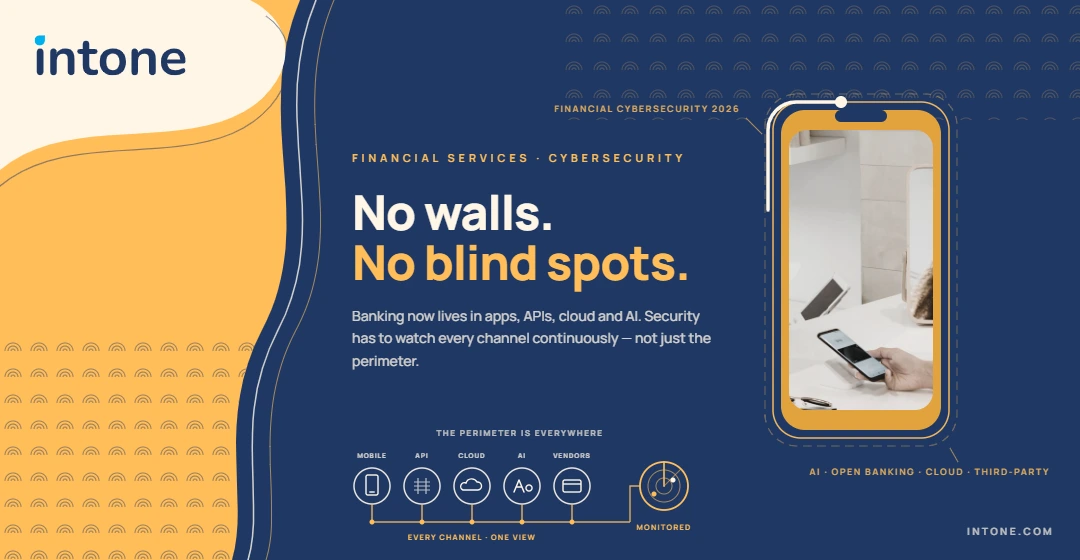
The modern banking environment is also highly interconnected. Customers may access services through mobile applications, APIs, online banking platforms, and third-party services, while financial institutions rely on extensive technology ecosystems to support their operations.
This interconnectedness creates additional potential risks. A vulnerability in one system, application, vendor, or process can potentially affect other parts of the environment.
Understanding current cybersecurity trends, emerging threats, and practical security strategies can help financial institutions strengthen their defenses while continuing to innovate.
Key Cybersecurity Trends in 2026
Financial institutions are facing an evolving cybersecurity environment as digital services, artificial intelligence, cloud infrastructure, and interconnected technology ecosystems expand. Key financial services cybersecurity trends in 2026 include:
- AI-Driven Cyber Threats and Security: Artificial intelligence is being used by both financial institutions and cybercriminals. Organizations are increasingly focusing on securing AI systems while preparing for AI-enabled fraud, vulnerability discovery, and other emerging threats.
- Third-Party and Supply Chain Risk: Financial institutions increasingly depend on technology providers, fintech companies, cloud services, and other third parties. Managing these interconnected relationships and monitoring third-party cybersecurity risks remain important priorities.
- Cloud and API Security: As financial institutions expand cloud-based services and API-driven connectivity, protecting cloud environments, applications, and APIs has become an important part of cybersecurity strategy.
- Identity and Access Security: Strong identity and access management is increasingly important as financial institutions adopt digital services and AI-enabled systems. Security strategies increasingly emphasize controlling access, verifying identities, and monitoring privileged activity.
- Cyber Resilience and Financial Crime Prevention: Financial institutions are placing greater emphasis on the ability to detect, respond to, and recover from cyber incidents while also addressing increasingly sophisticated fraud and financial crime.
These trends highlight the need for financial institutions to integrate cybersecurity into technology adoption, risk management, third-party oversight, and broader business operations.
Key Cybersecurity Trends in Financial Services
Cybersecurity in financial services is constantly evolving. Organizations must monitor changes in technology, regulation, attack techniques, and customer expectations to maintain effective protection.
Regulatory Compliance
Regulatory compliance is one of the major factors influencing cybersecurity programs across the financial sector.
Financial institutions operate under numerous regulations and industry requirements designed to protect financial information, maintain operational resilience, and reduce security risks.
Privacy regulations and financial-sector requirements increasingly emphasize appropriate data protection, governance, risk management, monitoring, and accountability.
Compliance should therefore be integrated into broader cybersecurity strategies rather than treated as a separate activity.
Organizations need visibility into their controls, security processes, and potential vulnerabilities to demonstrate that relevant requirements are being addressed.
Rise in Cyberattacks
Cyberattacks targeting financial organizations continue to present significant risks.
Phishing attacks can manipulate employees or customers into revealing sensitive information. Ransomware can disrupt operations and restrict access to critical systems. Insider threats can involve misuse of legitimate access.
These threats demonstrate why cybersecurity must extend beyond perimeter defenses.
Financial institutions need to understand how information moves throughout their environments and where sensitive data is stored, processed, accessed, and transmitted.
Artificial Intelligence and Advanced Threat Detection
Artificial intelligence is becoming increasingly relevant to both cybersecurity defense and cyber threats.
Security teams can use AI and advanced analytics to identify unusual patterns, prioritize alerts, detect potential fraud, and improve threat intelligence.
At the same time, attackers can use increasingly sophisticated technologies to automate attacks, create convincing phishing content, and identify potential vulnerabilities.
This creates a continuing technology race in which financial institutions must continually evaluate their security capabilities.
Advanced Authentication and Biometrics
As digital services expand, financial institutions are increasingly adopting stronger authentication mechanisms.
Biometric verification can use characteristics such as fingerprints or facial recognition to help verify a user’s identity.
Multi-factor authentication and adaptive authentication can provide additional layers of protection beyond traditional passwords.
These technologies can help reduce the risk associated with stolen credentials while allowing organizations to maintain convenient digital experiences.
Open Banking and Secure APIs
Open banking allows financial information and services to be exchanged between financial institutions and authorized third-party providers through APIs and other technologies.
While open banking can increase innovation and customer choice, it also introduces additional security considerations.
APIs must be appropriately secured, monitored, authenticated, and managed to reduce the potential for unauthorized access or misuse.
As the financial sector continues entering the digital banking era, secure integration between platforms will remain an important cybersecurity consideration.
Incident Response and Cyber Insurance
Even strong security controls cannot guarantee that an organization will never experience a security incident.
Financial institutions therefore need effective incident-response processes that define how security teams identify, contain, investigate, and recover from incidents.
Cyber insurance may also provide financial protection against certain consequences of cybersecurity incidents, although it should complement—not replace—preventive security controls.
Major Challenges in Financial Services Cybersecurity
While technology provides new security capabilities, financial institutions face several ongoing challenges.
Banking Challenges and Skill Shortages
One of the major banking challenges is maintaining sufficient cybersecurity expertise.
The financial sector needs professionals who understand cybersecurity fundamentals as well as emerging technologies, regulatory requirements, cloud environments, threat intelligence, and modern security architectures.
The evolving nature of the threat landscape means banking staff and security professionals need ongoing education and training.
The demand for cybersecurity expertise also affects jobs in banking today, as financial organizations increasingly seek professionals with specialized technology and security skills.
Legacy Infrastructure
Many financial institutions continue to operate legacy systems alongside modern cloud platforms and applications.
Older infrastructure may not have been designed for today’s cybersecurity requirements and can be difficult to patch, monitor, or integrate with modern security tools.
Modernizing legacy infrastructure can therefore become an important part of broader digital transformation.
However, modernization must be carefully managed because replacing or integrating critical financial systems can itself introduce potential risks.
Balancing Security with Customer Experience
Financial institutions must protect customers while also providing convenient digital services.
Excessive authentication requirements or complicated security processes can frustrate customers. Conversely, overly simplified security measures can leave organizations exposed.
The goal is to implement security technologies that provide appropriate protection without creating unnecessary friction.
Biometric authentication, adaptive verification, fraud detection, and risk-based authentication can help organizations find this balance.
Supply Chain and Third-Party Risks
Financial institutions depend on technology providers, software vendors, cloud services, payment processors, and other third parties.
This interconnected ecosystem creates additional potential vulnerabilities.
A security weakness at a third-party provider can expose an institution to data breaches, operational disruption, or regulatory consequences.
Organizations should therefore conduct appropriate vendor assessments and maintain visibility into third-party security requirements.
Security Vulnerabilities
The growing complexity of financial technology environments can make it difficult to identify every security vulnerability.
Organizations may have thousands of assets, applications, endpoints, integrations, and users across multiple environments.
Regular vulnerability assessments, asset inventories, security monitoring, and continuous control monitoring can help organizations identify weaknesses more proactively.
Digital Banking and Cybersecurity
The shift toward digital banking has fundamentally changed how financial institutions deliver services.
Customers increasingly expect to access accounts, make payments, transfer funds, and communicate with financial institutions through digital channels.
Digital Banking Challenges
Digital banking creates additional security considerations because services may be available across mobile applications, web platforms, APIs, cloud infrastructure, and third-party integrations.
Organizations must protect these environments while maintaining availability and usability.
The digital banking era therefore requires security strategies that address both traditional financial systems and newer technology environments.
Technology and Banking
The relationship between technology and banking continues to deepen.
Cloud platforms, automation, artificial intelligence, data analytics, and APIs can improve banking operations, but they also expand the technology environment that security teams must understand and protect.
Effective cybersecurity should therefore be incorporated into technology planning from the beginning rather than added after new systems have been implemented.
Data Integration and Financial Cybersecurity
Financial institutions depend on information flowing between numerous applications and systems.
Data integration allows information to move between these environments, but it can also create additional security considerations.
Organizations need to understand where sensitive information originates, how it is transformed, where it is stored, and who can access it.
Protecting Data Across Systems
Data tracking and lineage can provide greater visibility into how information moves through an organization.
This visibility can help security and compliance teams identify where sensitive information is processed and determine whether appropriate controls are in place.
Strong access controls, encryption, authentication, and monitoring should be incorporated throughout the data lifecycle.
Predictive Analytics and Cybersecurity Intelligence
Advanced analytics can help financial institutions identify patterns that may indicate potential security or fraud risks.
Predictive analytics can use historical and current information to identify trends and potential outcomes.
Security teams can combine analytics with threat intelligence to prioritize potential risks and focus resources where they may have the greatest impact.
Threat Intelligence
Threat intelligence provides information about emerging threats, attack techniques, indicators of compromise, and vulnerabilities.
Combining threat intelligence with continuous monitoring can allow financial institutions to respond more proactively to changes in the threat landscape.
Strategies for Effective Financial Services Cybersecurity
Financial institutions need a coordinated approach that combines people, processes, technology, and governance.
Risk Assessment and Management
Organizations should regularly identify and evaluate cybersecurity risks across systems, applications, infrastructure, vendors, and business processes.
Understanding potential risks allows security teams and leadership to prioritize investments and remediation efforts.
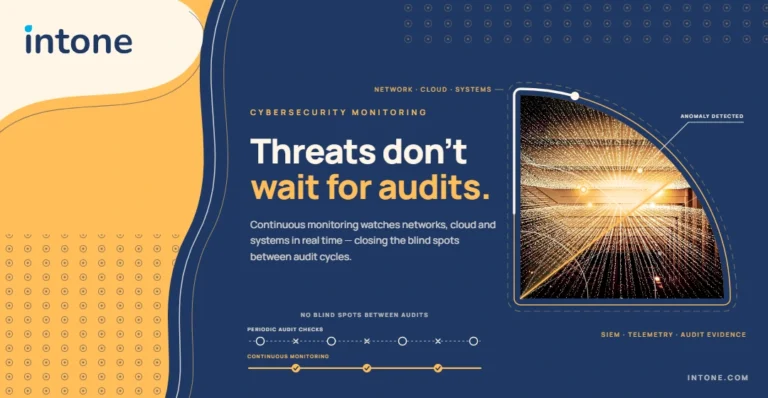
Continuous Monitoring
Continuous monitoring can provide ongoing visibility into security activity and potential threats.
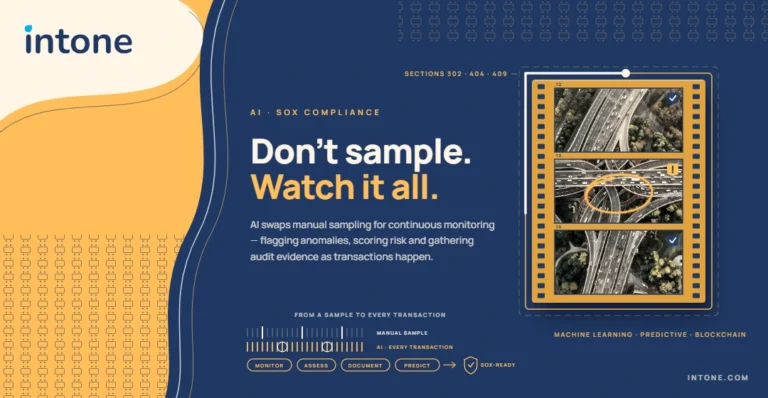
Rather than relying exclusively on periodic assessments, organizations can use automated monitoring to identify anomalies and changes closer to when they occur.
Continuous monitoring can also support broader governance and compliance programs.
Employee Training and Awareness
Employees can represent an important line of defense against cyber threats.
Regular training can help banking staff recognize phishing attempts, suspicious activity, social engineering, and other common attack techniques.
Security awareness should evolve alongside emerging cybersecurity trends rather than remaining a one-time annual exercise.
Collaboration and Information Sharing
Cybersecurity threats often affect multiple organizations simultaneously.
Sharing threat intelligence and best practices can help financial institutions understand emerging threats and strengthen collective defenses.
Collaboration between financial institutions, regulators, technology providers, and cybersecurity professionals can contribute to a more resilient financial ecosystem.
Cybersecurity Investments
Given the potential financial and operational consequences of security incidents, cybersecurity investments are increasingly essential for banks and other financial institutions.
Organizations should evaluate investments in areas such as:
- Threat detection
- Identity and access management
- Vulnerability management
- Security monitoring
- Incident response
- Data protection
- Employee awareness
- Security analytics
- Third-party risk management
Investment decisions should be aligned with the organization’s risk profile and business goals.
Cybersecurity Compliance and Auditing Best Practices
Cybersecurity and compliance are closely connected in financial services.
Organizations should establish processes that help demonstrate that relevant controls are designed appropriately and operating effectively.
Regular Cybersecurity Audits
Periodic internal and third-party audits can help organizations evaluate security controls, identify vulnerabilities, and assess compliance.
Continuous Security Monitoring
Automated monitoring can provide more current information about potential threats and control exceptions.
Access Control Audits
Financial institutions should regularly evaluate access rights and apply least-privilege principles where appropriate.
Incident Preparedness
Organizations should maintain documented incident-response procedures and periodically test their ability to respond to security events.
Employee Training
Regular training can help reduce risks associated with phishing, social engineering, credential theft, and insider threats.
GRC Advisory and Cybersecurity Governance
Cybersecurity increasingly intersects with governance, risk, and compliance.
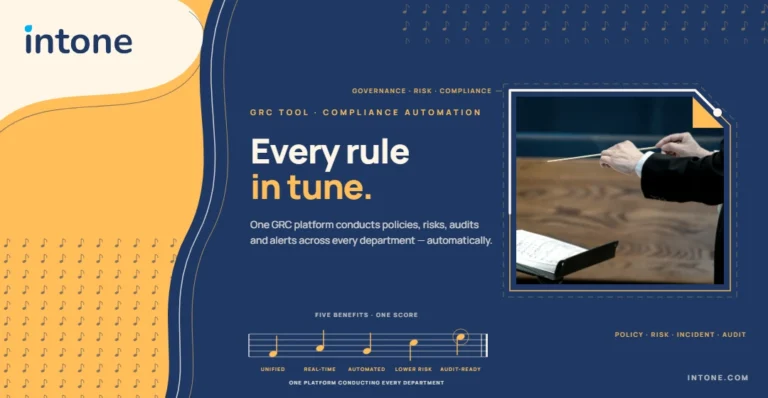
GRC advisory can help organizations develop coordinated approaches to identifying risks, managing controls, monitoring compliance, and reporting security information to leadership.
A mature GRC strategy can connect cybersecurity risks with business objectives and regulatory obligations.
Governance Across the Enterprise
Financial institutions should establish clear ownership for cybersecurity responsibilities and define how security risks are escalated.
Leadership visibility is particularly important because cybersecurity risks can affect financial performance, customer trust, operational resilience, and regulatory standing.
A centralized governance framework can help organizations coordinate activities across security, risk, compliance, audit, technology, and business teams.
Practical Insights for Financial Institutions
Financial institutions can strengthen their cybersecurity programs by focusing on several practical priorities:
- Know the environment. Maintain visibility into assets, applications, systems, integrations, and sensitive information.
- Identify vulnerabilities. Regularly assess systems and prioritize weaknesses according to risk.
- Monitor continuously. Use automated monitoring to identify suspicious activity and potential control failures.
- Protect sensitive data. Apply appropriate access controls, encryption, authentication, and data-protection measures.
- Secure third parties. Evaluate vendors and monitor relevant third-party risks.
- Train employees. Keep banking staff informed about evolving threats and security practices.
- Prepare for incidents. Establish and test response and recovery procedures.
- Integrate compliance. Align cybersecurity activities with regulatory compliance and governance requirements.
- Modernize strategically. Address legacy systems while carefully managing the risks associated with transformation.
- Use intelligence effectively. Combine threat intelligence, analytics, and monitoring to improve risk visibility.
Why Choose Intone?
The transformation of the banking sector through AI, robotic process automation, open banking, and digital services creates both opportunities and cybersecurity risks.
Intone addresses these challenges through capabilities designed to integrate security, risk management, compliance, auditing, and monitoring into a unified environment.
The platform provides capabilities including:
- Continuous auditing and monitoring
- Automated incident management
- Security and risk monitoring
- Compliance management
- 240+ data-source connections
- Low-code/no-code capabilities
- Real-time reporting
- SSL and AES 256-bit encryption
- Secure architecture and firewalls
These capabilities can help financial institutions improve visibility across their environments, monitor potential risks, and strengthen their overall cybersecurity posture.
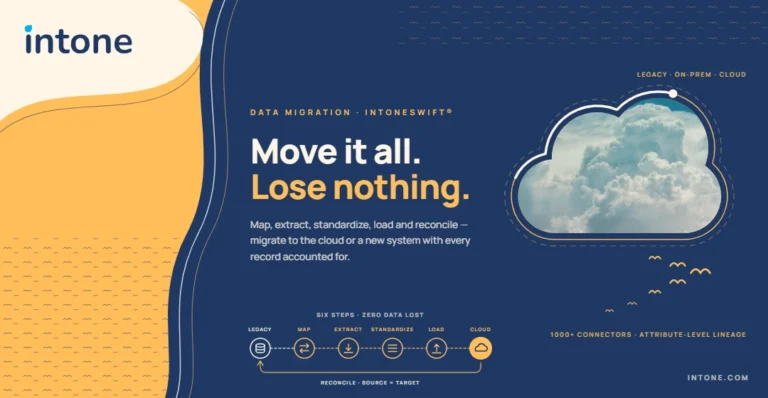
IntoneCCM’s platform portfolio includes EagleEye365® for continuous control monitoring, IntoneSwift® for data management, and IntoneGladius® for advanced cybersecurity. These platforms support enterprises in strengthening governance, protecting data, and improving audit readiness.
For additional information, see Intone’s related resource, Trends and Challenges in Financial Services Cybersecurity.
Contact Intone to learn more about strengthening cybersecurity across your financial services environment.
Key Takeaways
- Financial services cybersecurity must evolve alongside digital transformation and emerging technologies.
- Artificial intelligence can support advanced threat detection while also creating new security considerations.
- Regulatory compliance remains an important component of financial cybersecurity.
- Open banking and APIs require strong authentication, monitoring, and security controls.
- Legacy infrastructure can create vulnerabilities that require strategic modernization.
- Cybersecurity skill shortages make employee development increasingly important.
- Third-party and supply-chain risks require continuous visibility and vendor oversight.
- Data integration creates a need for strong data protection and visibility across connected systems.
- Predictive analytics and threat intelligence can help organizations identify potential risks.
- Continuous monitoring can provide more timely visibility into threats and control weaknesses.
- GRC advisory can help connect cybersecurity, risk, governance, and compliance activities.
- Financial institutions should approach cybersecurity as an ongoing business priority rather than a one-time technology initiative.