

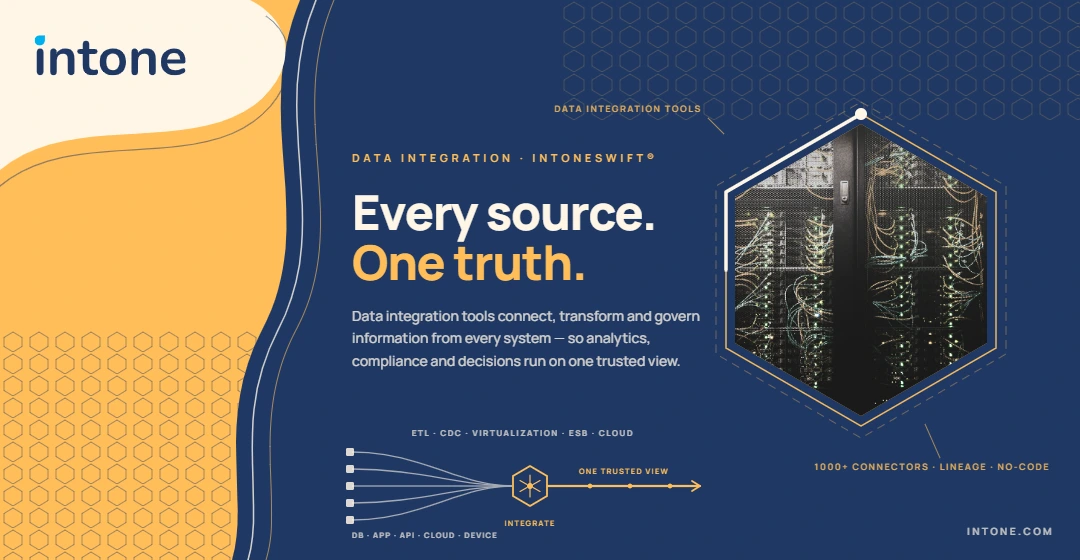
A comprehensive guide to choosing the right data integration tools for automation, cloud environments, enterprise systems, and business intelligence.
What Are Data Integration Tools?
Data integration tools are software solutions that connect, transform, synchronize, and consolidate information from multiple systems into a unified data environment for analytics, automation, reporting, and decision-making.
Data integration tools help organizations connect, transform, synchronize, and consolidate information from multiple systems into a unified data environment. The right solution improves data accessibility and quality while supporting analytics, automation, business intelligence, cloud integration, compliance, and better decision-making. By combining reliable integration with governance and monitoring, organizations can gain comprehensive insights from large data volumes.
Organizations today generate information across databases, applications, APIs, cloud platforms, devices, enterprise systems, and business applications.
As these sources continue to grow, managing information across disconnected systems becomes increasingly difficult. Data may exist in different formats, duplicate records may appear across applications, and teams may spend significant time manually collecting and reconciling information.
This is where data integration tools become essential.
Data integration connects information from different sources and makes it available for operational processes, reporting, analytics, and decision-making. Modern integration platforms can automate repetitive workflows, support real-time processing, improve data quality, and connect on-premises systems with cloud environments.
Organizations looking to understand the capabilities and applications of modern integration platforms can also explore data integration tools, features, benefits, and use cases for a broader view of enterprise integration requirements.
For organizations operating in a complex financial landscape or managing large enterprise environments, effective integration can become an important part of a broader technology strategy.
What Are Data Integration Tools?
Data integration tools are software solutions designed to connect different data sources, applications, databases, and platforms.
They can extract information from source systems, transform it into a required format, and deliver it to target systems. Depending on the organization’s requirements, integration may happen through batch processing, real-time streaming, replication, virtualization, or application-to-application connections.
The primary goal is to make information more accessible, consistent, and useful.
Instead of maintaining isolated data silos, organizations can create connected environments where information flows between systems according to defined business and technical requirements.
For organizations managing complex enterprise environments, effective IT systems integration can help connect applications and technologies while supporting more efficient information flows across the business.
Types of Data Integration Tools
Different integration approaches solve different business and technical challenges. Common types include:
Extract, Transform, Load (ETL) Tools
ETL tools extract information from multiple sources, transform it according to defined requirements, and load it into a target system such as a data warehouse or data mart.
They are widely used for reporting, analytics, and centralized data management.
Enterprise Service Bus (ESB)
An ESB provides a centralized communication layer between applications and services. It can support message routing, transformation, protocol translation, and application integration.
Data Virtualization Tools
Data virtualization provides users with a unified view of information from different sources without necessarily moving or physically replicating all the underlying data.
Cloud Data Integration Tools
Cloud data integration tools connect cloud applications, on-premises systems, and multiple cloud environments. They are particularly useful for organizations adopting hybrid and multi-cloud architectures.
Application Integration Tools
These tools connect applications such as CRM, ERP, marketing, finance, and customer service platforms. Pre-built connectors can simplify integration with commonly used applications.
Data Replication Tools
Data replication tools copy and synchronize information between databases or environments. They can support availability, backup, disaster recovery, and operational continuity.
Change Data Capture (CDC) Tools
CDC tools identify changes made in source systems and transfer those changes to target systems. This enables more timely data synchronization and real-time integration scenarios.
_________________________________________________________
ETL vs. CDC vs. Data Virtualization vs. ESB vs. Cloud Integration
| Integration Approach | How It Works | Best Used For |
| ETL | Extracts, transforms, and loads data into a target repository. | Data warehousing, reporting, analytics, and batch data processing. |
| CDC | Captures changes made in source systems and transfers them to target systems. | Near-real-time synchronization, operational analytics, and keeping target systems current. |
| Data Virtualization | Provides a unified view of data without necessarily physically moving it. | Accessing information across multiple sources while minimizing data duplication. |
| ESB | Provides a communication layer for routing and transforming messages between applications and services. | Enterprise application integration and communication across complex application environments. |
| Cloud Integration | Connects cloud applications, on-premises systems, and multiple cloud environments. | Hybrid cloud, multi-cloud, cloud migration, and modern enterprise architectures. |
The most suitable approach depends on factors such as data volume, latency requirements, source systems, target architecture, governance needs, and the organization’s broader integration strategy.
Cloud Data Integration for Modern Environments
The adoption of cloud technology has significantly changed how organizations manage and connect information.
Modern organizations may have applications running on-premises while analytics, storage, and business applications operate in the cloud. This creates a need for integration platforms that can connect different environments efficiently.
Cloud data integration can help organizations synchronize information between traditional infrastructure and cloud services.
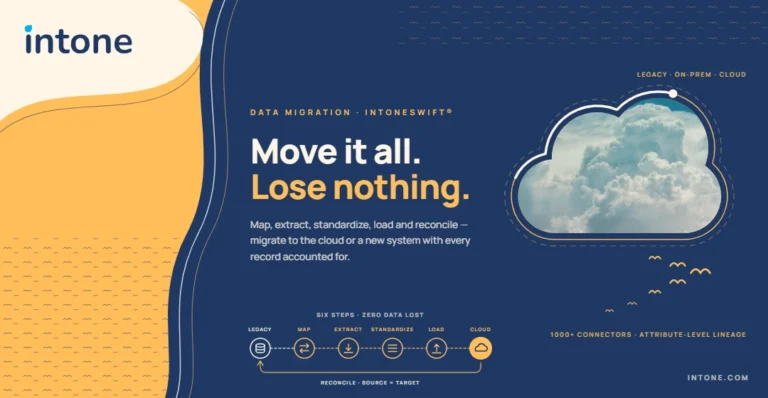
For example, organizations using Azure may need to connect databases, applications, analytics platforms, and enterprise systems. Integration can help create a connected architecture while supporting broader Microsoft cloud transformation initiatives.
Organizations evaluating broader cloud modernization strategies can explore Microsoft Cloud Business Transformation to understand how cloud technologies can support enterprise transformation and modernization initiatives.
Automation and Enterprise Integration
As organizations grow, integration workflows can become too complex to manage manually.
Automation allows recurring data movement and transformation processes to execute according to predefined schedules or events. This can reduce repetitive manual work, improve consistency, and minimize errors.
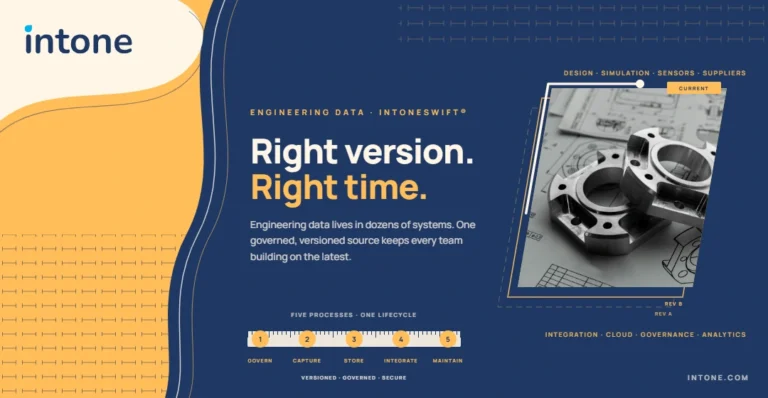
Enterprise integration can involve hundreds of applications, databases, devices, and services. A scalable platform should therefore support different data sources while providing centralized monitoring and management.
Automation is particularly valuable for processes involving regular synchronization, reporting, customer records, financial information, inventory, and operational workflows.
Organizations modernizing older environments can also consider legacy modernization as part of a broader strategy for connecting established systems with modern applications and infrastructure.
Key Features of Top Data Integration Tools
Organizations evaluating integration platforms should consider several key features.
- Data connectivity: Support for databases, applications, APIs, files, devices, and cloud services.
- Data transformation: Capabilities for mapping, filtering, cleansing, restructuring, and formatting information.
- Automation and scheduling: Tools for automating recurring integration workflows.
- Data quality management: Profiling, validation, standardization, and deduplication capabilities.
- Security and governance: Access controls, encryption, auditing, and policy management.
- Monitoring: Visibility into integration jobs, failures, performance, and exceptions.
- Data lineage: Ability to understand where information originated and how it moved through different systems.
- Scalability: Support for increasing workloads and large data volumes.
- Real-time processing: Support for streaming and event-based integration where required.
These capabilities help organizations build integration architectures that can adapt as their requirements change.
Data lineage is particularly important when organizations need to understand how information moves between systems. Maintaining clear data lineage can improve traceability and provide greater visibility into data movement across an enterprise.
Data Quality and Business Intelligence
Integration is only valuable when the resulting information is accurate and reliable.
Poor data quality can create duplicate records, inconsistent values, incomplete information, and unreliable reports. Data quality capabilities can help organizations profile, validate, cleanse, and standardize information before it is used downstream.
Reliable information also provides a stronger foundation for analytics and business intelligence
When information from multiple sources is integrated effectively, organizations can create dashboards, measure key performance indicators, identify trends, and develop predictive analytics.
This allows decision-makers to move beyond isolated reports and obtain comprehensive insights across different areas of the organization.
Strong data quality practices also work alongside effective governance. Organizations can explore data governance and data analytics to understand how governance and analytics can work together to improve the value and reliability of enterprise information.
Compliance and Continuous Controls Monitoring
Integration also plays an important role in governance and compliance.
Organizations may need to control access to sensitive information, maintain audit trails, protect information, and demonstrate that data is handled according to applicable policies and regulations.
Modern integration platforms can support these requirements through security controls, encryption, auditing, monitoring, and data lineage.
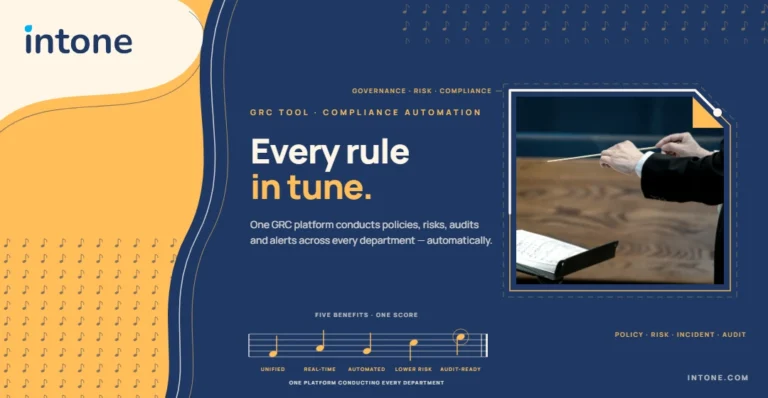
Continuous controls monitoring can provide additional visibility by helping organizations identify exceptions, changes, or potential issues on an ongoing basis rather than depending entirely on periodic manual reviews.
For organizations looking to strengthen ongoing oversight of governance, risk, and compliance activities, GRC Monitoring Services can complement integration and monitoring strategies.
The specific compliance requirements will vary by industry, geography, and organizational environment, so businesses should evaluate platforms against their own governance requirements.
Organizations that need broader guidance around governance, risk, and compliance can also explore GRC Advisory.
Microsoft and Azure Integration
Many organizations rely on Microsoft technologies across their business and technology environments.
When applications, databases, reporting platforms, and cloud workloads span different systems, integration becomes important for maintaining consistent information flows.
Organizations using Azure may need to connect existing applications with cloud-based services while continuing to support established infrastructure.
A suitable integration platform should therefore work with existing systems and architecture rather than requiring organizations to replace their entire technology environment.
This makes integration particularly important for companies modernizing their infrastructure while maintaining business continuity.
Use Cases of Data Integration Tools
Data integration tools can support a wide range of business and technology use cases.
- Customer Relationship Management (CRM): Connect customer information from sales, marketing, and support systems to create a more complete customer view.
- Enterprise Resource Planning (ERP): Connect finance, supply chain, human resources, manufacturing, and other ERP modules.
- Business Intelligence and Analytics: Provide integrated information for dashboards, reporting, analytics, and predictive models.
- Data Warehouses and Data Lakes: Extract, transform, cleanse, and load information into centralized analytical repositories.
- Cloud Integration: Connect on-premises systems with cloud platforms and applications.
- Operational Integration: Synchronize information between applications and reduce repetitive manual data entry.
- Financial Data Management: Connect information across financial applications and reporting environments.
- Customer Data Integration: Combine information from different customer-facing systems to improve service and decision-making.
These use cases demonstrate how integration can support both day-to-day operations and strategic decision-making.
A Guide to Choosing the Right Data Integration Tools
Selecting the right platform requires more than comparing the number of available connectors.
Organizations should first identify their current integration requirements, critical data sources, business processes, security expectations, and future growth plans.
Key questions include:
- Does the platform support the organization’s most important data sources?
- Can it integrate cloud and on-premises environments?
- Does it support automation and real-time processing?
- Can it handle increasing data volumes?
- Does it provide monitoring and error management?
- Can it maintain data lineage and governance?
- Does it support compliance requirements?
- Can technical and business teams use the platform effectively?
- Does it integrate with existing Microsoft and Azure environments?
- Can it support future analytics and business intelligence requirements?
A structured evaluation can help organizations select a solution based on actual requirements rather than features alone.
Why Choose IntoneSwift®?
IntoneSwift® is an advanced data integration solution designed to help organizations connect different data, application, and device sources.
The platform provides several capabilities intended to simplify integration and support different organizational requirements.
Its stated key features include:
- Knowledge graph for all data integrations
- 1000+ data, application, and device connectors
- Graphical no-code/low-code platform
- Distributed in-memory operations designed to provide 10X speed in data operations
- Attribute-level lineage captured at every data integration map
- Data encryption at every stage
- Centralized password and connection management
- Real-time, streaming, and batch data processing
- Support for unlimited heterogeneous data source combinations
- Real-time monitoring through its monitoring module
These capabilities can help organizations build connected data environments while improving visibility into integration processes.
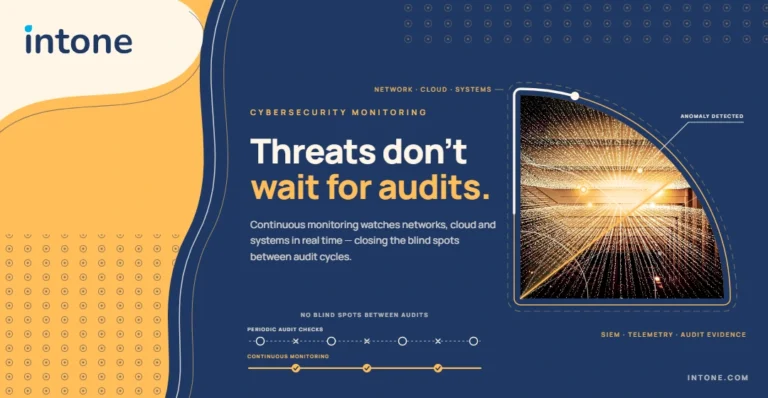
For organizations looking beyond integration alone and seeking stronger visibility across enterprise security and operations, Intone’s cybersecurity monitoring capabilities can provide an additional layer of continuous monitoring.
Benefits of Using Data Integration Tools
A well-designed integration strategy can provide several benefits.
Improved Data Accessibility
By connecting information from multiple sources, organizations can provide users with a more unified view of their data.
Better Decision-Making
Reliable and current information can help teams make informed decisions based on consistent information rather than disconnected reports.
Increased Operational Efficiency
Automation can reduce manual data handling, minimize repetitive work, and allow employees to focus on higher-value activities.
Better Customer Experience
Connecting customer information across different systems can help organizations understand customer interactions, preferences, and requirements more effectively.
Stronger Analytics
Integrated information provides a stronger foundation for dashboards, business intelligence, predictive analytics, and other analytical initiatives.
Greater Scalability
Modern platforms can help organizations manage growing information requirements and increasing numbers of systems.
Key Takeaways
- Choose data integration tools based on business requirements, including connectivity, scalability, automation, data quality, security, monitoring, lineage, and compliance needs.
- Different integration approaches serve different purposes: ETL supports centralized analytics, CDC supports timely synchronization, data virtualization provides unified access, ESB supports application communication, and cloud integration connects hybrid and multi-cloud environments.
- Data quality, governance, and continuous controls monitoring are important considerations for organizations managing sensitive or regulated information.
- Common use cases include CRM and ERP integration, business intelligence, data warehouses and lakes, cloud integration, operational workflows, financial data management, and customer data integration.
The Future of Data Integration
The role of integration continues to expand as organizations adopt cloud services, automation, artificial intelligence, advanced analytics, and connected applications.
Future-ready integration strategies will increasingly need to support real-time information, scalable architectures, strong governance, and better visibility into data movement.
The objective is not simply to move information from one system to another.
The greater goal is to create a trusted and connected environment where information can support operations, analytics, compliance, and strategic decision-making.
Organizations that invest in reliable integration can create a stronger foundation for digital transformation and future technology initiatives.
FAQ’s
Data integration tools are software solutions that connect, transform, synchronize, and consolidate information from multiple systems, applications, databases, APIs, and platforms.
Common types include ETL tools, Enterprise Service Bus solutions, data virtualization tools, cloud data integration tools, application integration tools, data replication tools, and Change Data Capture tools.
Data quality is important because inaccurate, incomplete, or duplicate information can produce unreliable reports and decisions. Data quality capabilities help organizations validate, cleanse, standardize, and manage integrated information.
Automation reduces repetitive manual processes by allowing data movement, transformation, synchronization, and other workflows to execute according to schedules or predefined events.
They bring information from multiple sources into a consistent foundation that can be used for business intelligence, dashboards, analytics, reporting, and predictive analytics.
Yes. Cloud data integration tools can connect on-premises applications and databases with cloud platforms, supporting hybrid and multi-cloud environments.
Integration platforms can support compliance through access controls, encryption, audit trails, monitoring, data lineage, and governance capabilities. Specific requirements depend on the organization’s industry and regulations.
Businesses should consider connectivity, scalability, automation, data quality, security, compliance, monitoring, data lineage, real-time processing, ease of use, and compatibility with their existing technology environment.
Ready to Build a Connected Data Environment?
If your organization is dealing with disconnected systems, manual data movement, inconsistent information, or growing integration requirements, it may be time to evaluate your existing integration strategy.
IntoneSwift® can help organizations connect diverse data, applications, and devices through a unified integration platform. .