

Engineering data management is a structured approach to collecting, organizing, integrating, securing, and maintaining engineering data throughout its lifecycle. It improves data quality, accessibility, collaboration, and compliance, helping organizations increase efficiency, reduce costs, support innovation, and make informed decisions across engineering operations.
Engineering data management is a broad field that covers the tools, processes, technologies, and strategies used to manage engineering information. It focuses on everything from capturing data initially to storing, integrating, securing, analyzing, and maintaining it throughout its useful lifecycle.
Modern engineering teams work with information from design applications, simulation platforms, sensors, testing systems, manufacturing applications, supplier databases, and enterprise systems. Without a structured approach, this information can become difficult to locate, validate, share, and use effectively.
As organizations become increasingly data-driven, engineering data management has become an important part of modern infrastructure. A strong approach helps engineering teams create a reliable information environment where employees can access the right information at the right time.
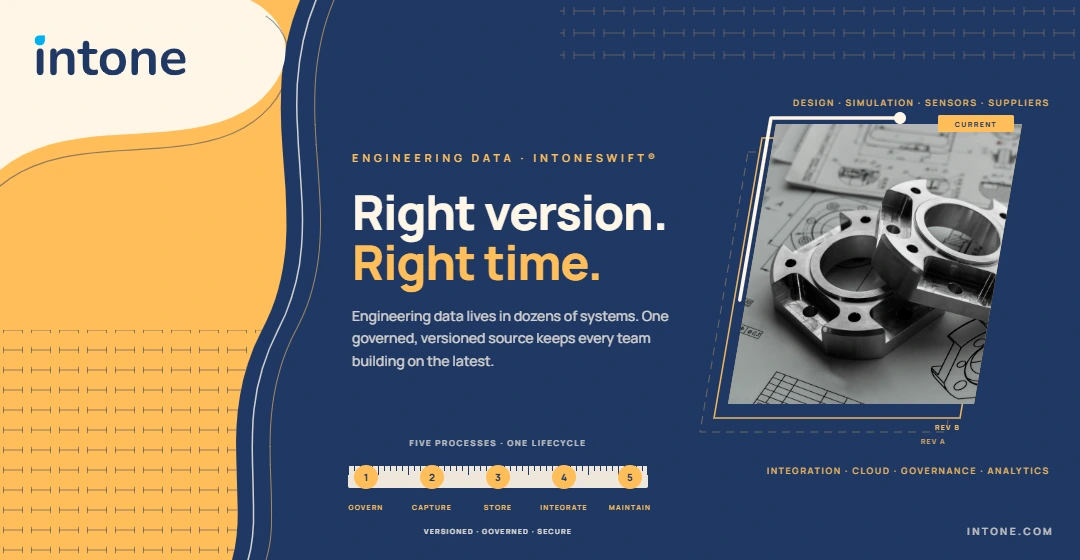
Key Processes Involved in Engineering Data Management: A Brief Overview
Effective engineering data management requires a structured process that protects information while making it accessible and useful. These processes can extend from initial data acquisition through long-term storage, analysis, governance, and lifecycle management.
For organizations managing complex engineering projects, these processes help establish consistency across teams and systems while supporting operational efficiency and informed decision-making.
1. Data Governance and Policy Establishment
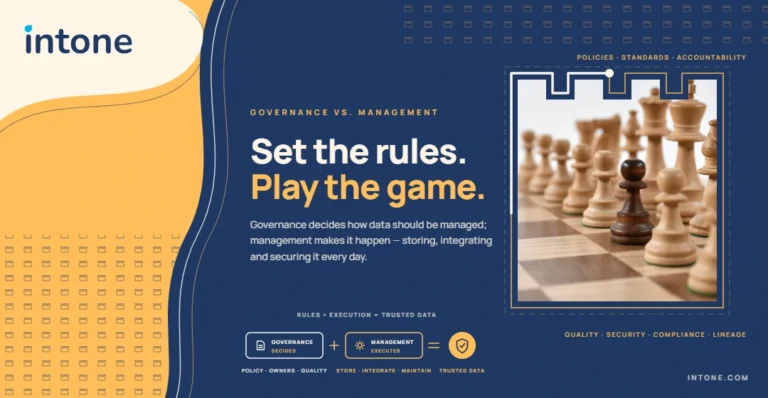
The foundation of successful engineering data management is a strong data governance framework. Data governance establishes policies, standards, ownership responsibilities, and procedures for how engineering information should be collected, accessed, stored, modified, and shared.
Clear governance helps organizations maintain data integrity and establish accountability. It can also support compliance with internal policies, industry standards, contractual requirements, and applicable regulations.
A defined governance framework ensures that employees understand how engineering information should be managed and who is responsible for maintaining its quality and security.
2. Data Acquisition and Capture
The next stage focuses on collecting engineering information from internal and external sources. Data may originate from design and simulation software, sensor networks, testing equipment, manufacturing systems, suppliers, and other operational platforms.
At this stage, organizations should apply appropriate validation processes. Capturing accurate information at the beginning reduces the likelihood of errors appearing later in engineering workflows.
Data acquisition can also involve large volumes of information, particularly when organizations use connected devices and sensor-based systems. Reliable collection processes therefore become increasingly important.
3. Data Storage and Organization
Once collected, engineering information needs secure and structured storage. Organizations may use databases, enterprise repositories, cloud platforms, or other storage technologies depending on their requirements.
Data classification can help organizations organize information according to its type, sensitivity, importance, or intended use. Proper classification also makes it easier to establish appropriate access and security controls.
Cloud storage can provide additional flexibility for organizations that need scalable infrastructure. A well-designed cloud strategy can support engineering teams while allowing organizations to adapt storage and processing capabilities as project requirements evolve.
4. Data Integration and Analysis
Engineering information is often distributed across multiple systems. Data integration brings these sources together so teams can analyze information more effectively.
Integration can combine design information, simulation results, testing information, operational records, supplier information, and other sources. This provides teams with a more complete view of engineering activities.
When integrated information is reliable, organizations can use analytics to identify patterns, generate insights, monitor performance, and support better decisions throughout the product lifecycle.
5. Data Maintenance and Lifecycle Management
Engineering information must be maintained after it has been captured and stored. Lifecycle management includes activities such as version control, archiving, backup, change management, retention, and appropriate disposal.
Effective maintenance helps ensure that teams are working with current and reliable information. It can also reduce the risk of using outdated engineering documents, specifications, or design versions.
Organizations can use specialized data management services to support these activities and establish repeatable processes across complex engineering environments.
Benefits of Engineering Data Management in Your Business
Implementing engineering data management can provide significant benefits for organizations. From improving operational efficiency to strengthening security and supporting innovation, EDM can affect multiple areas of the business.
The following are ten key benefits organizations can achieve by implementing an effective engineering data management strategy.
1. Enhanced Decision-Making and Better Insights
Engineering teams frequently make decisions based on design information, test results, specifications, operational records, and historical project information.
A centralized and well-managed data environment provides teams with access to more accurate and current information. This can improve the quality of decisions and reduce the risk of relying on incomplete or outdated information.
Engineering organizations can also use historical information to identify trends and generate valuable insights. When reliable information is available, managers can make decisions with greater confidence.
2. Improved Efficiency and Productivity
One of the most important benefits of engineering data management is increased efficiency.
Engineers can lose significant amounts of time searching for documents, validating information, locating previous versions, or requesting information from other departments. A structured EDM system can make information easier to locate and access.
Automated workflows can further reduce repetitive administrative activities. By simplifying information retrieval and improving collaboration, engineering teams can spend more time on design, analysis, innovation, and problem-solving.
3. Reduced Costs and Rework
Poorly managed information can contribute to engineering errors, duplicated work, and unnecessary rework.
For example, if a team uses an outdated specification or incorrect design version, the resulting work may need to be repeated. These issues can increase project costs and extend development timelines.
Better data quality and lifecycle management can reduce these risks. By providing access to trusted information, organizations can minimize unnecessary duplication and improve resource utilization.
4. Increased Innovation
Innovation often depends on access to previous knowledge and the ability to combine information from different sources.
Engineering data management allows teams to preserve historical project information, design records, testing results, and other valuable knowledge. Engineers can use this information as a reference when developing new products or improving existing ones.
A connected data environment can also encourage collaboration between engineering, manufacturing, research, quality, and other teams.
5. Improved Quality and Compliance
Engineering organizations operate within specific quality standards and regulatory requirements. Maintaining accurate and traceable information can support these requirements.
EDM can help organizations maintain data quality, establish consistent processes, and preserve important records throughout the product lifecycle.
Strong data governance can also make it easier to demonstrate compliance and provide supporting documentation when required.
6. Reduced Risk and Stronger Security
Engineering information can contain sensitive designs, intellectual property, specifications, test results, and operational information.
Effective security controls can protect this information from unauthorized access, accidental changes, and inappropriate use.
Access controls, encryption, authentication, monitoring, and governance processes can help organizations establish a more secure engineering information environment.
Reducing information-related risks can also help protect projects, customers, intellectual property, and business operations.
7. Enhanced Collaboration Across Teams
Engineering projects rarely involve a single team. Designers, engineers, project managers, quality teams, manufacturing teams, suppliers, and other stakeholders may need access to related information.
Centralized information and controlled access can make collaboration easier. Teams can work with consistent information rather than maintaining separate copies across different systems.
Better collaboration can reduce communication gaps and improve coordination throughout the product development lifecycle.
8. Scalability for Enterprise Growth
As organizations expand, engineering information and project complexity can increase significantly.
An enterprise EDM strategy provides a framework that can accommodate additional projects, users, systems, and information sources.
Cloud technologies can further support scalability by providing flexible infrastructure. Organizations can adjust resources based on their requirements rather than relying entirely on fixed physical infrastructure.
This scalability can be particularly valuable for organizations managing multiple products, locations, suppliers, and engineering teams.
9. Improved Customer Satisfaction
Engineering data management can indirectly contribute to improved customer satisfaction.
Better information management can support higher-quality products, more efficient development processes, and faster resolution of engineering issues.
When teams can access accurate information quickly, they may be able to respond more effectively to customer requirements and product-related questions.
The result can be improved product quality, more predictable delivery, and stronger customer experiences.
10. Competitive Advantage
Organizations that manage engineering information effectively can gain an advantage through better decision-making, improved efficiency, stronger collaboration, and faster innovation.
Data-driven engineering processes can help organizations respond to market changes and product requirements more effectively.
As technology continues to evolve, organizations that establish a strong information foundation can be better prepared to adopt new tools and analytical capabilities.
Cloud and Engineering Data Management
Cloud technology is becoming increasingly relevant to engineering data management. Organizations can use cloud infrastructure to provide scalable storage, processing, and collaboration capabilities.
A cloud-based EDM environment can allow authorized employees and teams to access information from different locations while maintaining appropriate security and governance controls.
However, moving engineering information to the cloud requires careful planning. Organizations should evaluate data security, compliance, access requirements, integration capabilities, and their broader cloud strategy before adopting a particular approach.
Data Quality and Data Integrity
Data quality is fundamental to effective engineering operations. Incorrect, incomplete, duplicate, or outdated information can affect engineering decisions and product development.
Organizations should establish processes for validating information and maintaining its accuracy throughout its lifecycle.
Maintaining data integrity ensures that information remains accurate, consistent, and trustworthy as it moves between systems and is modified by authorized users.
Strong governance, validation, version control, and monitoring can all contribute to better data quality.
Enterprise Efficiency and Engineering Operations
Engineering organizations often depend on interconnected systems. Design tools, testing platforms, manufacturing systems, supplier applications, and business systems may all need to exchange information.
When these systems remain disconnected, employees may need to manually transfer information between applications. This can slow down operations and increase the possibility of errors.
A strong EDM strategy combined with integration capabilities can create more efficient workflows. Organizations can automate appropriate processes while maintaining visibility and control over engineering information.
Technology and Tools for Modern Engineering Data Management
Modern engineering organizations have access to a growing range of technologies and tools for managing information.
These can include data integration platforms, cloud storage, analytics systems, governance solutions, workflow automation platforms, and enterprise data management systems.
The right combination depends on an organization’s requirements. Rather than selecting tools based only on individual features, organizations should consider how well each solution fits into their existing infrastructure and long-term technology strategy.
Future Trends in Engineering Data Management
The future of engineering data management will continue to be shaped by cloud technology, automation, analytics, artificial intelligence, and connected systems.
One important trend is the increasing use of predictive analytics. Engineering organizations can use historical and real-time information to identify potential issues, forecast outcomes, and improve planning.
Another trend is greater integration between engineering applications and enterprise systems. As organizations become more connected, information may increasingly flow between design, manufacturing, supply chain, quality, and business applications.
These future trends will make data management increasingly important for organizations seeking to improve innovation and operational performance.
Why Choose Intone Networks?
The path to successful Engineering Data Management is built on continuous improvement. A strong EDM strategy can provide the foundation for a more data-driven engineering organization while supporting product development, collaboration, and innovation.
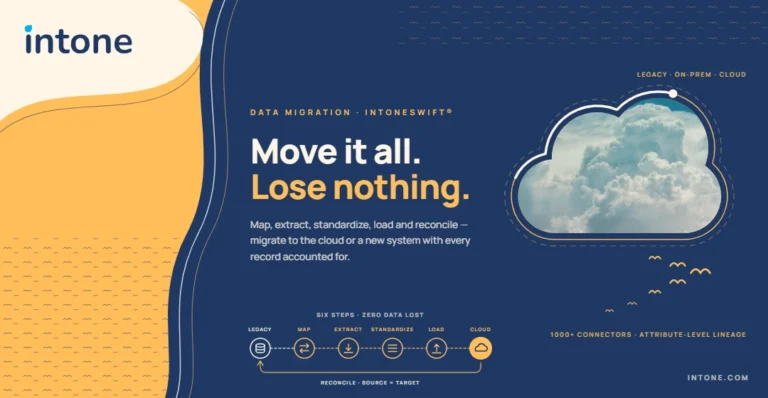
Engineering information can be scattered across design tools, simulation software, sensor networks, testing systems, applications, and other platforms. A robust EDM strategy combined with a powerful data integration solution can help create a more connected and efficient environment.
This is where Intone Networks and IntoneSwift® can help.
IntoneSwift® offers:
- Knowledge graph for all data integrations done
- 1000+ data, application, and device connectors
- A graphical no-code/low-code platform
- Distributed in-memory operations that provide 10X speed in data operations
- Attribute-level lineage captured at every data integration map
- Data encryption at every stage
- Centralized password and connection management
- Real-time, streaming, and batch processing of data
- Support for unlimited heterogeneous data source combinations
- Monitoring capabilities that provide real-time updates
These capabilities can help organizations connect different information sources and establish a more structured approach to engineering data management.
Key Benefits of a Strong Engineering Data Strategy
The value of engineering data management extends beyond simply storing information. A strong strategy connects people, processes, systems, and technology around trusted information.
The key benefits include improved efficiency, better data quality, stronger security, enhanced collaboration, reduced costs, improved compliance, greater scalability, and stronger innovation capabilities.
For growing organizations, these benefits can create a foundation for long-term digital transformation.
Preparing Your Business for the Future
Engineering organizations need to prepare for increasing information volumes and more connected technology environments.
A structured EDM strategy can help businesses establish the governance, infrastructure, integration, and security capabilities required to manage this growth.
Organizations should regularly review their data processes, identify information gaps, assess technology requirements, and evaluate whether existing systems can support future business needs.
The goal is to create an environment where information remains accessible, accurate, secure, and useful throughout its lifecycle.
Conclusion
Engineering data management is becoming an essential component of modern engineering and product development. As organizations manage increasingly complex systems and growing information volumes, structured data management can help them improve efficiency, quality, security, collaboration, and innovation.
From data governance and data classification to cloud infrastructure, data integration, lifecycle management, and predictive analytics, EDM provides a framework for turning engineering information into a valuable organizational asset.
Organizations that invest in effective engineering data management can create a stronger foundation for future technology adoption and enterprise growth.
Contact us to learn more about how IntoneSwift® can help your organization build a connected, secure, and efficient engineering data environment.
FAQ’s
Engineering data management is the structured process of collecting, organizing, storing, integrating, securing, analyzing, and maintaining engineering information throughout its lifecycle.
Engineering data management helps organizations improve data quality, accessibility, security, collaboration, efficiency, and decision-making while reducing risks associated with inaccurate or outdated information.
The key benefits include enhanced decision-making, improved efficiency, reduced costs, increased innovation, better quality and compliance, reduced risk, enhanced collaboration, scalability, improved customer satisfaction, and competitive advantage.
Cloud technology can provide scalable storage, processing, accessibility, and collaboration capabilities. Organizations can use cloud infrastructure as part of a broader cloud strategy for managing engineering information.
Data governance establishes policies, standards, ownership, and processes for managing information. It helps organizations maintain data quality, data integrity, security, and compliance.
EDM can reduce time spent searching for information, eliminate unnecessary duplication, streamline workflows, improve collaboration, and automate appropriate data management processes.