

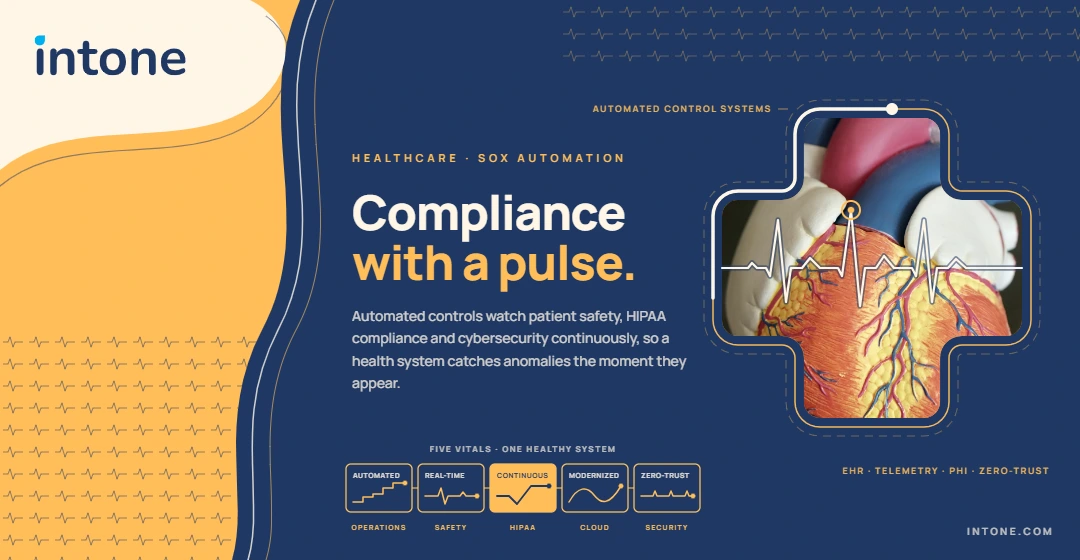
Driving operational efficiency, continuous HIPAA compliance, and cybersecurity modernization across the regional health system.
Automated control systems and SOX automation transform healthcare by enhancing operational efficiency, streamlining continuous HIPAA compliance, and eliminating manual PBC requests across complex regional health systems. By unifying cloud technology, control standardization, and advanced cybersecurity, health systems protect patient safety while modernizing legacy systems.
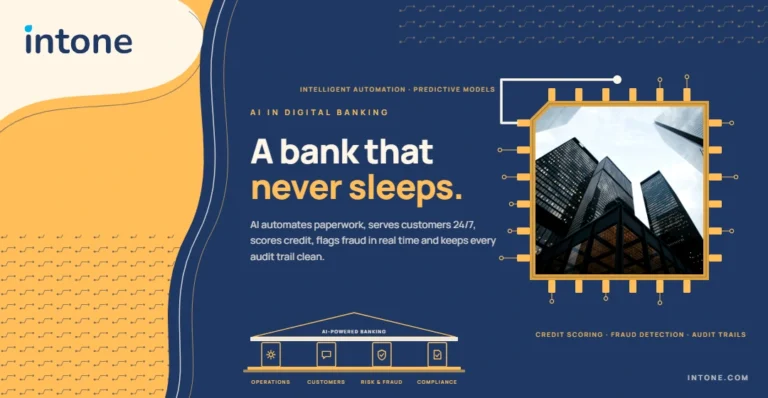
The healthcare industry is at a critical crossroads, grappling with increasing patient volumes, complex diseases, and rising operational costs. Simultaneously, the demand for higher quality patient care, enhanced patient safety, and seamless digital service delivery continues to soar. To navigate these intricate challenges, modern health systems are turning to advanced technology as a powerful ally. From electronic health records (EHR) to telemedicine and intelligent workflow tools, digital solutions are fundamentally reshaping healthcare delivery across every department.
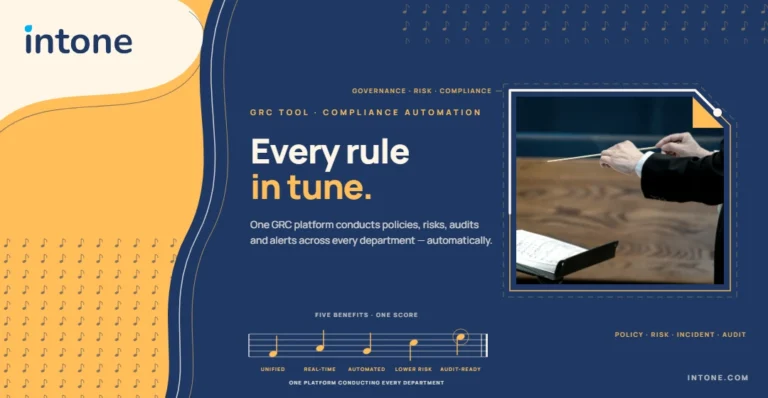
Central to this technological revolution is the automated control system coupled with modern SOX automation and compliance architecture . An automated control system is a self-contained process control solution that uses intelligent sensors and software workflows to monitor and regulate key process variables within pre-set parameters. In modern healthcare environments, these automated systems manage everything from clinical drug delivery to enterprise-wide regulatory tracking, eliminating manual friction, and optimizing clinical performance.
The Operational Impact of SOX Automation & Control Standardization
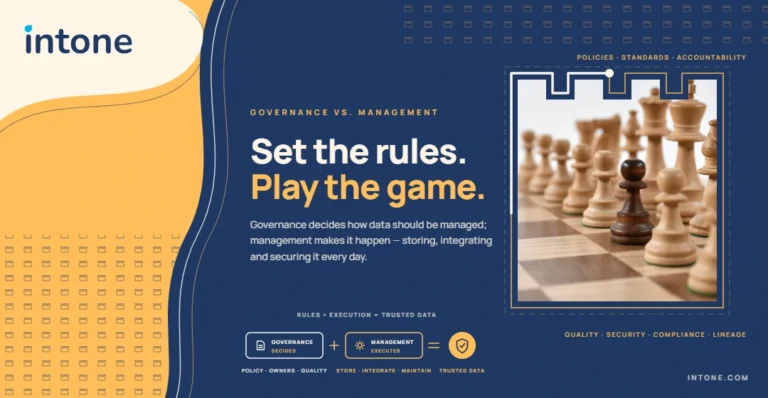
Automated control systems and internal compliance frameworks are transforming modern healthcare operations by driving unprecedented operational efficiency, safeguarding patient safety, and ensuring rigorous quality of care. A major milestone in this transition is achieving broad control standardization across business units. In a sprawling hospital system, disparate departments often rely on isolated, manual procedures that create security gaps and audit redundancies.
By implementing automated control frameworks, organizations streamline operational efficiency across multiple key areas:
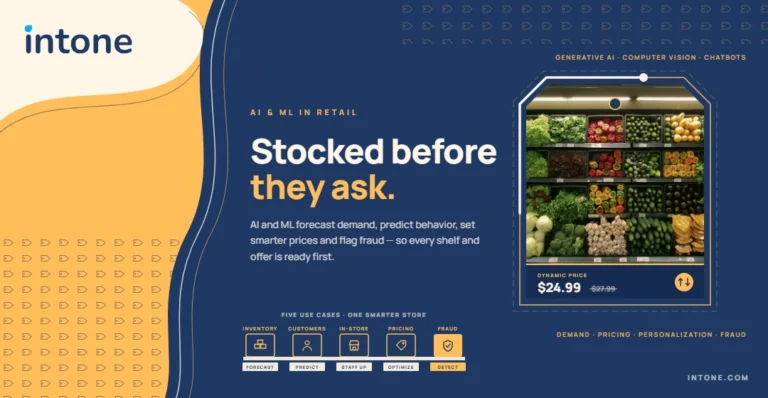
- Inventory Management: Automated systems track critical medical supplies, predict shortages using historical trends, and trigger real-time reorders to prevent clinical disruptions.
- Energy & Facility Optimization: Smart building controls adjust lighting, ventilation, and HVAC settings based on real-time room occupancy, significantly reducing facility overhead costs.
- Eliminating Manual Friction: Transitioning away from tedious paper trails eliminates exhausting manual PBC requests, allowing clinical and compliance staff to focus on high-value initiatives.
Enhancing Patient Safety and Patient Care Quality
Automated control systems directly protect patient safety and elevate overall patient care. Automated medication dispensing platforms cross-check electronic prescriptions against patient clinical charts to prevent dangerous adverse drug events. Furthermore, automated infection control tools track hand hygiene compliance and deploy automated UV sterilization, significantly curtailing hospital-acquired infections.
Real-time telemetry and continuous patient monitoring notify medical staff immediately upon detecting vital sign anomalies, enabling proactive care interventions. By analyzing aggregated clinical data, care providers can make well-informed, highly personalized treatment decisions.
Achieving Continuous HIPAA Compliance in a Regional Health System
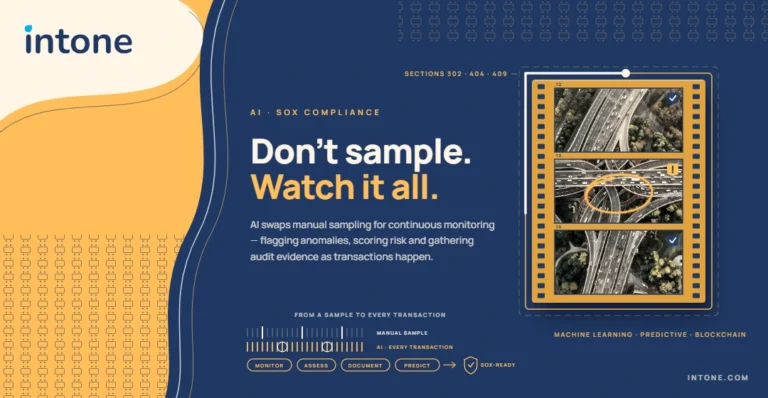
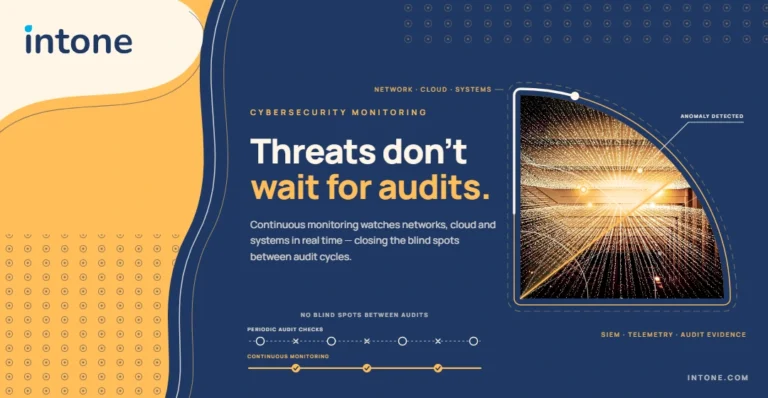
Maintaining enterprise-wide compliance across a multi-site regional health system requires moving away from periodic point-in-time audits toward continuous hipaa compliance. Relying on traditional manual methods creates blind spots and increases risk exposure between audit cycles.
Industry Benchmark: According to the IBM Cost of a Data Breach Report, healthcare has maintained the highest average breach cost of any industry for over a decade, with incidents averaging $6.64 million per breach. This reality underscores the urgent necessity of continuous, real-time risk oversight over reactive remediation.
Modern control automation dynamically captures hipaa compliance evidence in real time, validating user access controls, data encryption standards, and system configuration integrity across all operational endpoints. Leveraging Intone’s proven methodologies built years of hipaa governance expertise, healthcare leaders can establish transparent audit trails and predictive risk mitigation frameworks that detect policy violations instantly.
Microsoft Cloud Technology and Legacy Modernization Enablement for Healthcare
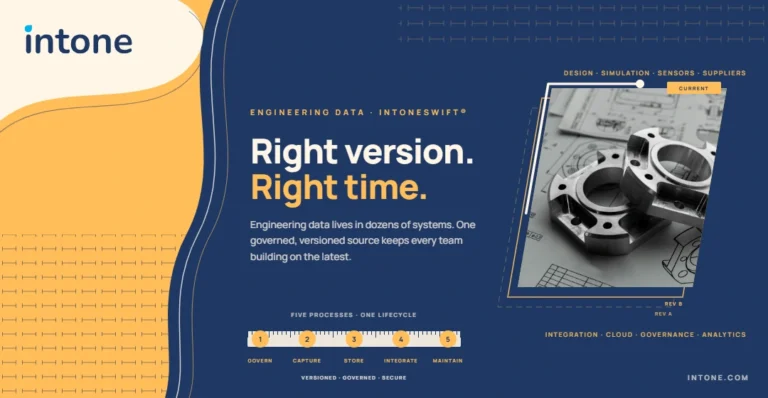
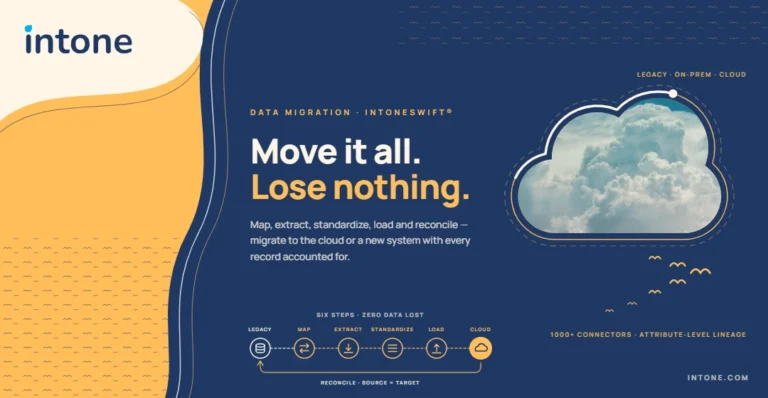
As health systems expand, legacy IT architectures often become major bottlenecks to efficiency and security. Executing strategic legacy modernization services and comprehensive data modernization allows organizations to transition outdated legacy systems into flexible, scalable environments.
Adopting enterprise cloud enablement for healthcare —specifically utilizing Microsoft cloud technology and the broader Microsoft cloud transformation ecosystem—empowers organizations to consolidate healthcare workloads safely. By leveraging native services like Microsoft Defender for Cloud for continuous threat management and Microsoft Purview for automated data governance and HIPAA policy enforcement, health systems can ensure robust access governance and high-performance computing capabilities required for complex healthcare analytics.
Hospital System Cybersecurity and the Future of Healthcare Automation
The future potential of automated control systems extends far beyond current implementations. As clinical technology advances, intelligent controls will play a central role in remote patient monitoring, precision medicine, and genomic analysis. By evaluating massive streams of real-time clinical data, automated frameworks identify trends that foster customized treatment plans and superior patient outcomes.
However, widespread adoption demands unyielding hospital system cybersecurity infrastructure. Safeguarding sensitive Protected Health Information (PHI) against evolving regulatory threats and cyberattacks requires multi-layered cybersecurity controls, encryption protocols, and zero-trust identity management across all modern enterprise systems.
Conclusion
Automated control systems and modern compliance automation are revolutionizing the healthcare industry by driving operational efficiency, reinforcing cybersecurity, and guaranteeing continuous hipaa adherence. Continuous control monitoring ensures that clinical and administrative systems operate flawlessly, identifying and resolving anomalies in real time.
To explore how specialized automation and compliance solutions can transform your organization’s control environment, read our detailed guide on How Automated Control Systems Are Transforming the Healthcare Industry. Discover how Intone helps modern health systems streamline governance, modernize legacy infrastructure, and establish trusted automation across the entire care delivery ecosystem.
FAQ’s
Automated control systems streamline inventory reordering, optimize facility energy consumption, and eliminate manual PBC requests by replacing paper-based tracking with automated digital workflows.
Continuous HIPAA compliance automatically monitors systems and captures compliance evidence in real time, ensuring data security and regulatory adherence continuously rather than relying solely on periodic audits.
Cloud technology—such as the Microsoft Cloud platform—allows healthcare organizations to replace rigid legacy systems with scalable infrastructure, enhancing data modernization, security, and enterprise cross-unit collaboration.
Standardizing controls ensures consistent compliance protocols, eliminates administrative silos, and reduces audit overhead across all clinical and administrative departments in a regional health system.
Robust cybersecurity frameworks protect patient safety and sensitive health data (PHI) processed by automated systems from unauthorized access, ransomware, and cyber breaches.