


Learn the essential components of a successful data migration plan and how organizations can maintain data integrity, security, and business continuity.
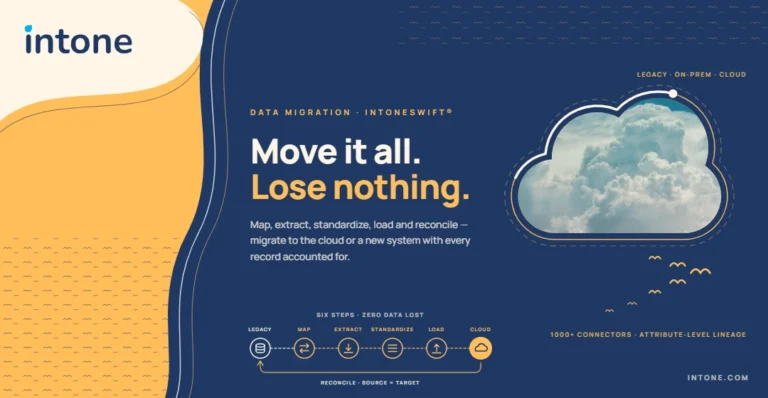
A data migration plan is a structured roadmap for moving data from a source system to a target system while maintaining its accuracy, integrity, consistency, and accessibility. Key components include defining objectives and scope, data discovery and profiling, data mapping and transformation, validation and testing, migration strategy and execution, data archiving and retention, and post-migration support and monitoring.
Data migration is a critical process for organizations moving data from one system or platform to another. It involves transferring information from a source system to a target system while maintaining data integrity, accuracy, and consistency throughout the process.
A well-planned data migration strategy can help organizations minimize downtime, maintain business continuity, and reduce the risk of costly data loss or corruption. However, data migration projects can become complex when organizations underestimate the volume, quality, dependencies, and security requirements associated with their data.
A comprehensive data migration plan provides a structured approach to navigating these challenges. From establishing project objectives to validating migrated data and monitoring the target environment, each stage contributes to a successful migration.
What is a Data Migration Plan?
A data migration plan is a comprehensive strategy and roadmap that outlines the steps, processes, and procedures involved in moving data from a legacy system or platform to a new target system.
It serves as a blueprint for ensuring a smooth and efficient migration while minimizing the risks of data loss, corruption, and business disruption. A data migration plan can also address requirements related to cloud environments, including data storage, security, accessibility, and scalability.
What are the Key Components of a Data Migration Plan?
To achieve a successful data migration, organizations should develop a comprehensive plan covering the following essential components. This data migration checklist can help teams establish a structured approach before, during, and after the migration.
1. Clear Objectives and Scope Definition
Before beginning a data migration project, clearly define its objectives and scope. This includes identifying the source and target systems, the types of data that will be migrated, and any specific requirements or constraints.
A clear understanding of the migration scope helps ensure that the project aligns with organizational goals and allows teams to identify potential risks before execution begins.
Clearly defined objectives also establish the foundation for the migration strategy, helping stakeholders understand what data needs to be moved, why it needs to be moved, and what the target environment should achieve.
2. Data Discovery and Profiling
Data discovery and profiling are essential for understanding the structure, quality, and volume of data being migrated.
This process involves analyzing source data and identifying data types, relationships, dependencies, missing values, duplicates, and inconsistencies. Understanding these characteristics allows organizations to identify data quality issues before migration and develop appropriate strategies for data cleansing, transformation, and mapping.
Organizations can also use data management services to analyze complex data environments and establish a clearer understanding of the information that will be transferred.
3. Data Mapping and Transformation
Data mapping and transformation are critical components of a data migration process.
Data mapping defines the relationships between source and target data structures, ensuring that information is transferred to the appropriate fields and locations in the target system.
Data transformation involves converting information from its source format into a format that is compatible with the target environment. These processes help maintain data consistency and accuracy while accounting for differences between systems.
4. Data Validation and Testing
Data validation and testing help ensure the accuracy and integrity of migrated data.
Organizations should develop test cases and scenarios to evaluate data completeness, consistency, accuracy, and adherence to relevant business rules. Testing can identify potential issues before the migration is considered complete and help reduce the risk of data loss or corruption.
Validation should also consider how migrated data will be used for data analytics and integration within the broader technology environment. Ensuring that data remains usable after migration is just as important as successfully transferring it.
5. Migration Strategy and Execution
The migration strategy and execution plan define the specific steps involved in transferring data from the source environment to the target environment.
Organizations must determine the most appropriate migration approach, such as a Big Bang migration or phased migration, based on the project’s requirements, risk tolerance, and operational constraints.
The plan should also establish the migration schedule, roles and responsibilities, communication protocols, contingency measures, and rollback procedures. A well-defined execution strategy helps teams respond effectively to unexpected issues while minimizing disruption to business operations.
6. Data Archiving and Retention
Data archiving and retention are important components of a data migration plan, particularly for organizations subject to regulatory or compliance requirements.
The plan should define how data from the source system will be archived and retained. Historical information may need to remain accessible for future reference, reporting, auditing, or regulatory purposes even after an organization transitions to a new system.
Establishing clear retention requirements before migration can help organizations avoid unnecessary data loss while ensuring that information is retained appropriately.
7. Post-Migration Support and Monitoring
A successful migration does not end when data reaches the target system. Post-migration support and monitoring are necessary to identify issues, maintain data integrity, and ensure that the new environment continues to perform as expected.
Organizations should establish processes for monitoring the target system, addressing errors, validating data consistency, and providing ongoing support and maintenance.
A dedicated data migration or integration solution can improve this process by enabling more efficient monitoring of system performance, data consistency, and potential issues. Real-time monitoring can help organizations identify problems earlier and support a smoother transition to the new environment.
What Choose IntoneSwift®?
Effective data utilization has become increasingly important to modern organizations, making reliable data integration and management essential for informed decision-making.
A well-structured data migration plan can help organizations mitigate risks, maintain business continuity, and maximize the value of their data assets in a new target environment.
IntoneSwift® is a data integration solution designed to support organizations managing complex data environments. Its capabilities include:
- Knowledge graph generation for data integrations
- 600+ data, application, and device connectors
- Low-code/no-code data integration capabilities
- Distributed in-memory operations for faster data operations
- Attribute-level data lineage across integration maps
- Data encryption at every stage
- Centralized password and connection management
- Real-time, streaming, and batch data processing
- Support for heterogeneous data source combinations
- Real-time monitoring of data integration activity
These capabilities can help organizations connect disparate systems, improve data visibility, and support more efficient data migration and integration processes.
For additional information, see Intone’s related resource, The Essential Components of a Successful Data Migration Plan.
Contact Intone to learn more about IntoneSwift® and how it can support your data integration and migration requirements.
Key Takeaways
- A data migration plan provides a structured roadmap for moving data between systems.
- Clearly define migration objectives, scope, source systems, and target systems before execution.
- Use data discovery and profiling to identify data quality issues and dependencies.
- Establish accurate data mapping and transformation processes.
- Perform thorough data validation and testing before completing the migration.
- Select an appropriate migration strategy and establish contingency and rollback procedures.
- Define data archiving and retention requirements.
- Continue monitoring and supporting the target environment after migration.
- Use data integration technology to improve connectivity, visibility, and migration efficiency.
FAQ’s
A data migration plan is a structured roadmap for moving data from a source system to a target system while maintaining data accuracy, integrity, consistency, and accessibility.
The key components include objectives and scope definition, data discovery and profiling, data mapping and transformation, validation and testing, migration strategy and execution, data archiving and retention, and post-migration support and monitoring.
Data profiling helps organizations understand the structure, quality, volume, relationships, and dependencies within source data. This information can help teams identify problems and plan appropriate cleansing and transformation activities before migration.
Data mapping establishes relationships between source and target data structures, while data transformation converts data into a format compatible with the target system.
Organizations can use test cases and validation procedures to evaluate data completeness, accuracy, consistency, and adherence to business rules. Comparing source and target data can also help identify discrepancies.
Post-migration activities include monitoring the target environment, identifying and resolving errors, validating data integrity, and providing ongoing support and maintenance.
IntoneSwift® provides data integration capabilities including diverse connectors, data transformation, encryption, lineage, real-time and batch processing, centralized connection management, and real-time monitoring to support complex data environments.