


Why operational efficiency, continuous monitoring, and governance control matter for sustainable enterprise growth?
Process Control Management (PCM) enables enterprises to streamline workflows, ensure consistent quality, and enforce strict governance across business units. By combining robotic process automation, continuous control monitoring, and structured AI governance frameworks, organizations can optimize operational costs, achieve SOX compliance automation, and drive data-driven decision-making for long-term success.
Process Control Management (PCM) plays a crucial role in the success of any business, ensuring that operations are efficient, productive, and aligned with industry standards.
or example, in a financial services organization, PCM can continuously monitor approval workflows and flag a transaction that has been processed without the required authorization, allowing the organization to address the exception before it creates a compliance or financial risk. In this blog, we will explore the significant benefits of adopting PCM practices, emphasizing how they enhance efficiency, quality, and customer satisfaction. Let’s delve into the key reasons why business leaders, CIOs and CTOs, and data leaders should prioritize process control management systems to achieve sustainable growth and success.
Organizations have spent years investing in digital transformation and workflow optimizations. The business case has always been compelling: reduce manual effort, improve consistency, accelerate operational cycles, and lower compliance costs. Yet many operational and compliance leaders find themselves facing a complex landscape where systems run automatically, but manual interventions and oversight gaps remain.
Enhanced Efficiency, Productivity, and Powered Automation
Streamlined Workflows Through Automation and AI Initiatives
Incorporating robotic process automation and AI-powered automation in PCM streamlines repetitive tasks, reducing the burden on human resources and expediting complex workflows across departments. By automating mundane processes and adopting an actionable AI enablement plan, employees can focus on strategic tasks, leading to increased productivity, scalable AI initiatives, and higher overall efficiency across enterprise operations.
For example, automated invoice processing can capture invoice details, verify them against predefined rules, and route them for approval, reducing manual effort and speeding up the payment process.
Minimizing Human Errors with Continuous Control Monitoring
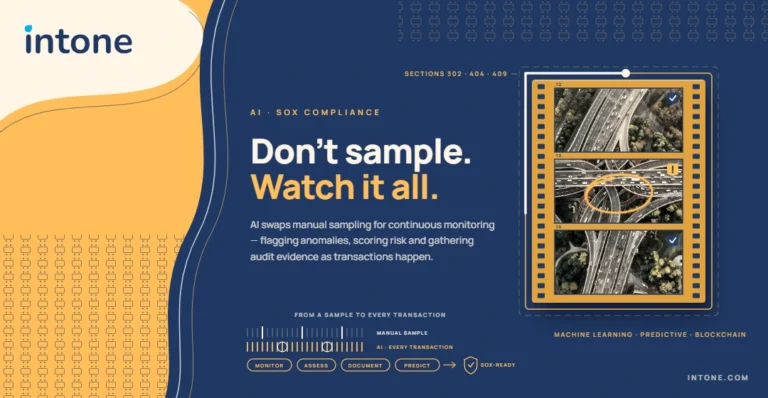
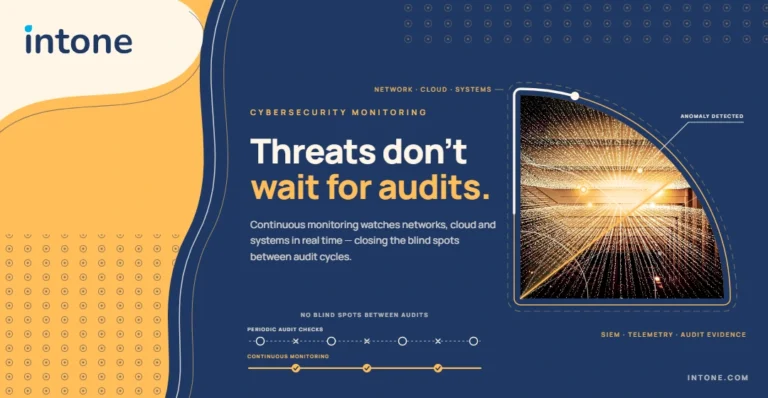
Process control management implements continuous control monitoring, which proactively identifies discrepancies and errors in real time, such as missing approvals, policy exceptions, and deviations from established control procedures. This proactive approach minimizes human errors and costly rework, saving valuable time and resources while helping organizations maintain secure and compliant operations.
Faster Task Completion and Strategy and Roadmap Execution
PCM optimizes processes, eliminates operational bottlenecks, and improves task sequencing. This optimization results in reduced turnaround times, enabling enterprises to execute their strategy and roadmap efficiently, meet deadlines promptly, and gain a decisive competitive edge in the market.
Consistent Quality, Standardization, and SOX Automation
Maintaining Consistent Output Across Business Units
A robust process control management framework ensures that workflows are executed consistently across all operational divisions, leading to standardized outputs. Establishing unified controls across business units is vital for building a strong brand reputation, preventing data manipulation, and meeting customer expectations predictably.
Ensuring Adherence to Regulations and Control Standardization
Businesses must comply with industry-specific regulations and standards to maintain credibility and avoid legal issues. PCM provides a systematic approach to control standardization and SOX automation, helping organizations maintain consistent controls and reduce the risk of compliance failures. For example, SOX (Sarbanes-Oxley Act) focuses on internal controls over financial reporting, while ISO 27001 provides a framework for managing information security risks. Aligning controls with these established frameworks helps organizations strengthen compliance, improve control consistency, and reduce potential penalties or reputational damage.
Eliminating Manual PBC (provide by client) Requests and Building Trust
Delivering consistent quality products and services builds trust among customers. Traditional compliance relies on manual pbc(provide by client) requests—where teams gather flat files and screenshots manually—creating bottlenecks and data tampering risks. Automated evidence collection eliminates these hurdles, enhancing auditor trust and customer satisfaction. To learn more about optimizing your system processes, reading about Key Reasons How Process Control Management Helps Business may be useful to you.
Resource Optimization and Cost Reduction
Identifying Inefficiencies via Real-Time Monitoring
PCM employs data management services to collect process data through continuous real-time monitoring, identifying inefficiencies and operational bottlenecks. By pinpointing these areas, organizations can focus on targeted improvements and optimize resource utilization.
Optimizing Resource Allocation and Utilization
Data-driven decision-making enables businesses to allocate resources efficiently based on actual needs and demands. This data optimization reduces waste and unnecessary expenditures, leading to substantial cost savings across every department.
Reducing Operational Costs and Maximizing ROI
With continuous monitoring and data-driven improvements, businesses can streamline operations, reduce manual interventions, and minimize operational costs. These cost reductions maximize return on investment (ROI) and total operational profitability.
Data-Driven Decision Making and AI Strategy
Collecting Real-Time Data for Readiness Assessment
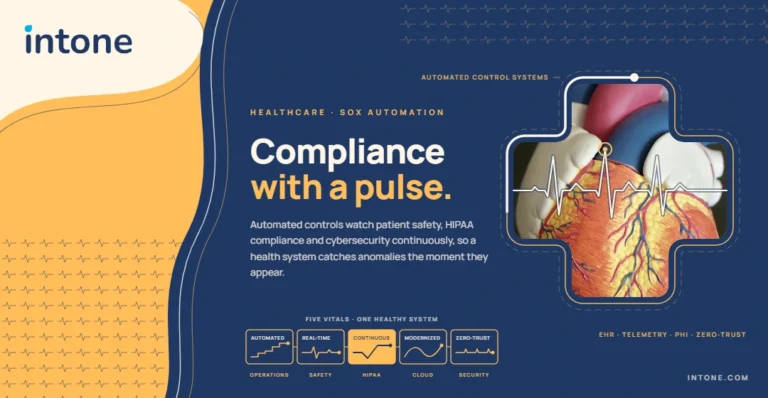
PCM relies on real-time data collection, enabling businesses to monitor processes as they happen. Real-time data empowers leaders to address issues promptly, perform an accurate readiness assessment for modern technology, and make informed choices based on accurate information.
Analyzing Data with Microsoft Azure and Microsoft Copilot
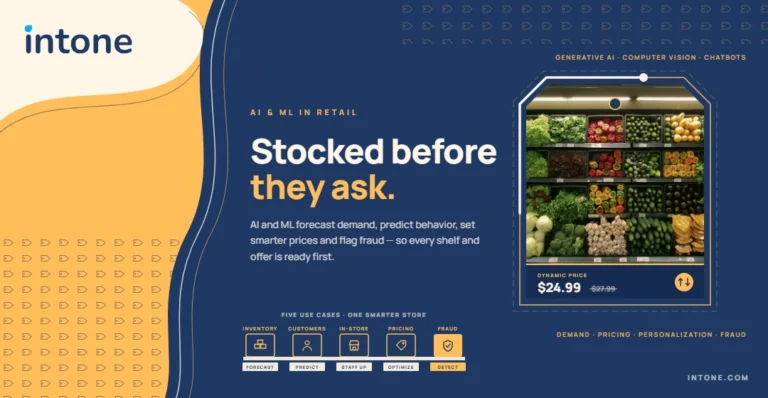
Data analysis in PCM provides valuable insights into process performance, identifying trends and patterns. Integrating enterprise platforms with Microsoft Azure, Azure AI, and Microsoft Copilot empowers teams to surface hidden insights instantly, drive predictive analytics, and automate complex decisions securely.
Making Informed Business Decisions Based on Evidence
Data-driven decision-making enhances business intelligence, leading to choices that align directly with organizational goals. An enterprise-wide AI strategy ensures that automated decision pipelines remain secure, transparent, and fully audit-ready.
Customer Satisfaction and Long-Term Loyalty
Delivering Consistent and High-Quality Products/Services
PCM’s emphasis on maintaining consistent quality directly translates into delivering high-quality products and services to customers consistently.
Meeting Customer Expectations and Demands
By optimizing processes and staying agile, businesses can respond to customer demands swiftly and effectively, consistently meeting and exceeding their expectations.
Building Long-Term Customer Loyalty and Retention
Satisfied customers are more likely to remain loyal. PCM’s focus on quality, efficiency, and responsiveness fosters long-term customer loyalty, retention, and positive word-of-mouth.
Enterprise AI Governance and Control Architecture
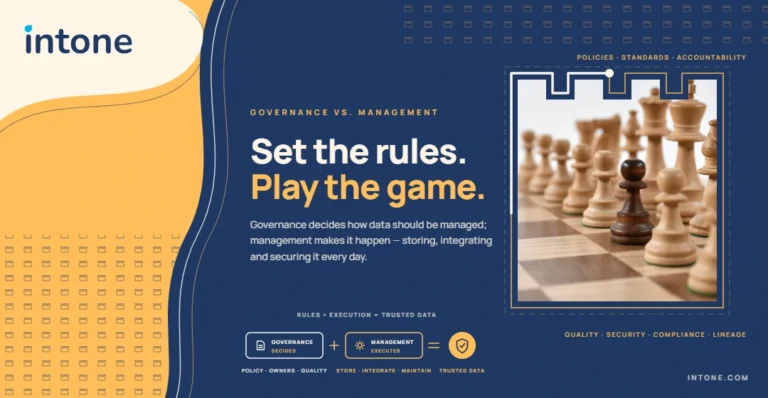
Establishing robust governance and control frameworks ensures that automated workflows and enterprise intelligence remain compliant with global regulatory standards. Implementing structured AI governance allows organizations to deploy intelligent algorithms safely, mitigate algorithmic bias, and ensure total data privacy without slowing down digital innovation.AI governance establishes clear policies, roles, and controls for how AI systems are developed, deployed, monitored, and used across the organization. It helps organizations maintain transparency, accountability, and compliance by continuously monitoring AI-driven decisions and identifying potential risks. A well-defined governance framework also ensures that AI systems operate consistently with business objectives, ethical standards, and regulatory requirements.
Why Choose Intone for AI Initiatives and Governance?
Process control management is an indispensable tool for businesses seeking sustainable growth and success. With its focus on efficiency, quality, and customer satisfaction, it drives organizations to operate at their best. By leveraging data management services, continuous control monitoring, and robotic process automation, businesses can optimize resources, reduce costs, and make data-driven decisions for improved outcomes. Embracing process control management is an investment in the present and a commitment to a successful future. Intone offers two of the best tools available in the market (IntoneSwift® and Intone EagleEye365®) to assist your business in achieving all this and more.
IntoneSwift® offers:
- Knowledge Graph: Generates a knowledge graph for all data integrations done.
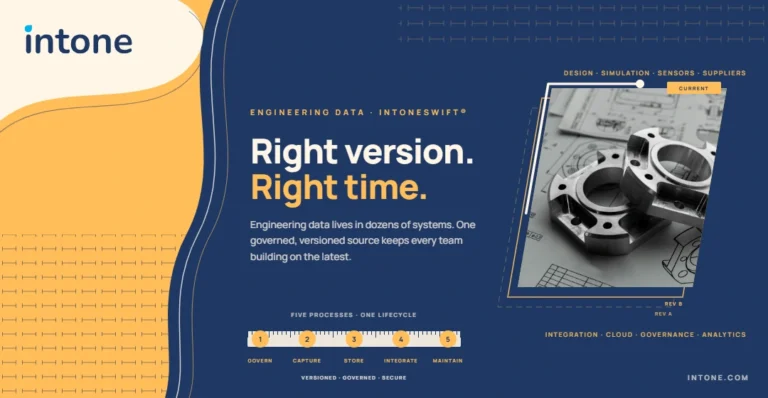
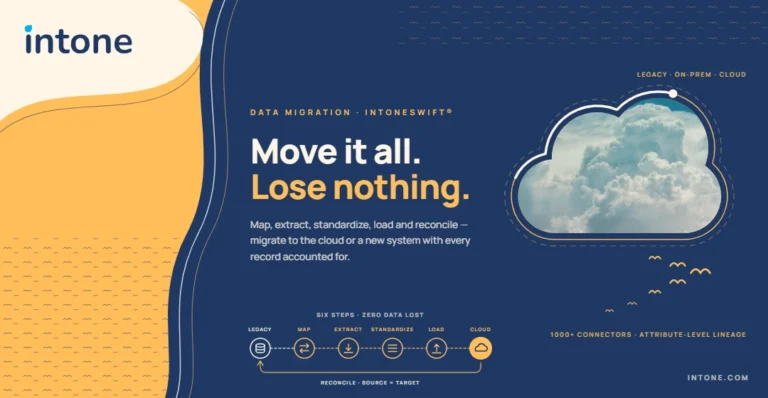
- Extensive Connectivity: 1000+ Data, Application, and device connectors.
- Low-Code Interface: A graphical no-code/low-code platform.
- High-Speed Execution: Distributed in-memory operations that give 10X speed in data operations.
- Attribute-Level Lineage: Captures lineage at every data integration map.
- Comprehensive Encryption: Data encryption at every stage.
- Centralized Credentials: Centralized password and connection management.
- Versatile Processing: Real-time, streaming & batch processing of data.
- Heterogeneous Support: Supports unlimited heterogeneous data source combinations.
- Real-Time Monitoring: An eye-catching monitoring module that gives real-time updates.
What Intone EagleEye365® offers:
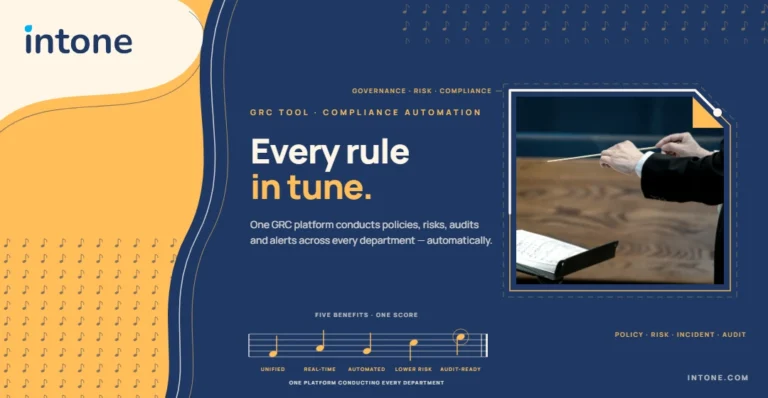
- Unified GRC Platform: An end-to-end enterprise platform integrating key GRC functional requirements of security, risk management, incident management, data visualization/virtualization, continuous control monitoring, continuous auditing, robotic process automation, fraud, and compliance management into one single solution.
- Broad Integration: Connections with 240+ industry-standard data sources and applications.
- Low-Code/No-Code Setup: Features drag-and-drop tools and built-in multiple system communications features.
- Automated Risk Management: An automated ERM and control response system along with automated incident management and resolution.
- Continuous Microservices Audit: A microservices audit platform with real-time reporting and uninterrupted underlying systems.
- Enterprise Grade Encryption: SSL encryption and AES 256-bit encryption to safeguard sensitive data against unauthorized modification.
- State-of-the-Art Cybersecurity: Secure architecture, firewall, and intrusion detection/prevention systems to protect against cyber breaches.
- Comprehensive Compliance: Broad range of regulatory, data privacy, and Sarbanes-Oxley (SOX) solutions to satisfy strict compliance mandates.
- Data Anonymization: RPA anonymizes data to ensure greater protection of sensitive data and information.
Key takeaway
Continuous Controls Monitoring (CCM) helps organizations continuously monitor and assess internal controls, reducing the risk of control failures.
- Control standardization and automation improve compliance efficiency and help organizations maintain consistent processes.
- SOX and ISO 27001 provide established frameworks that organizations can align their controls with to strengthen compliance and risk management.
- AI governance helps organizations deploy AI responsibly while maintaining transparency, accountability, data privacy, and regulatory compliance.
- Proactive monitoring and intelligent automation enable organizations to identify risks earlier and strengthen overall governance and control effectiveness.
Contact us to learn more about how we can help you optimize your process controls and secure your digital architecture!
FAQ’s
PCM is an enterprise framework designed to monitor, standardize, and optimize operational workflows to ensure efficiency, consistency, and compliance across business units.
Continuous control monitoring proactively flags errors and discrepancies in real time, preventing costly rework, reducing manual interventions, and enhancing security.
AI governance ensures that automated algorithms and decision-making workflows operate securely, remain transparent, adhere to compliance standards, and prevent algorithmic bias.
IntoneSwift handles high-speed data integration with attribute-level lineage, while EagleEye365® provides a unified GRC platform offering real-time auditing, continuous control monitoring, and automated risk management.