

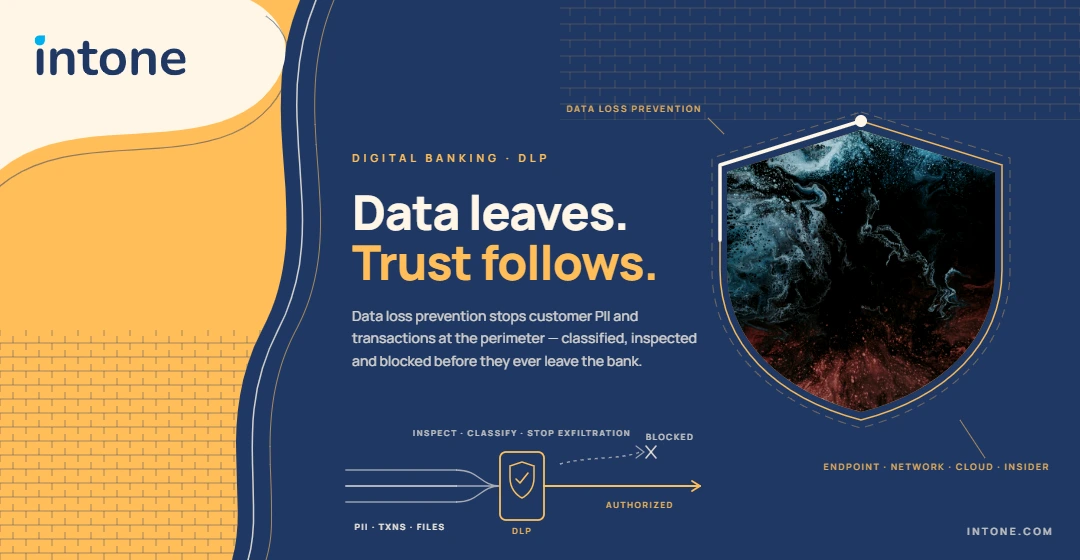
Data Loss Prevention (DLP) in digital banking refers to an integrated strategy of technologies, policies, and continuous monitoring designed to detect, track, and block unauthorized transmission or exfiltration of sensitive information. By combining automated content inspection, data classification, and robust access controls, financial institutions help reduce the risk of data loss, defend against cyber attacks, ensure compliance with regulations, and preserve customer trust across complex cloud and endpoint environments.
What is Data Loss Prevention in Digital Banking?
Data Loss Prevention (DLP) in digital banking is the use of policies, processes, and security controls to prevent unauthorized access, disclosure, transfer, or loss of sensitive financial and customer data.
Securing Financial Infrastructure Against Evolving Threats
Data Loss Prevention (DLP) is a critical aspect of cybersecurity that aims to protect sensitive data from unauthorized access, disclosure, or loss. In the context of digital banking, DLP solutions play a vital role in safeguarding customer information, financial transactions, and other confidential data. Types of data commonly protected by DLP solutions include Customer Personally Identifiable Information (PII), financial data, and internal business data. Modern financial institutions handle vast volumes of digital transactions every second, making the protection of sensitive information a paramount operational priority. When banking systems face targeted cyber attacks or internal vulnerabilities, the lack of an integrated DLP infrastructure exposes the enterprise to severe financial harm and regulatory penalties. Implementing strong data security protocols prevents data breaches and stops unauthorized theft before sensitive files ever cross internal network perimeters. To explore our complete, detailed guide on this topic, read our full overview on Understanding Data Loss Prevention: Mitigating Risks in Digital Banking.
Common Data Loss Risks in Digital Banking
Digital banks handle large volumes of sensitive financial and personal information, making data loss a significant security and compliance concern. Common risks include:
- Unauthorized access: Compromised credentials or excessive permissions can expose sensitive customer data.
- Phishing and social engineering: Attackers may trick employees or customers into revealing credentials or confidential information.
- Insider threats: Employees or third parties may intentionally or accidentally disclose sensitive data.
- Malware and ransomware: Malicious software can steal, encrypt, or disrupt access to critical banking data.
- Insecure data transfers: Unprotected communication channels can increase the risk of data interception.
- Cloud and third-party risks: Misconfigured cloud environments or weaknesses in vendor systems can expose sensitive information.
- Accidental data exposure: Human errors, such as sending information to the wrong recipient or misconfiguring access permissions, can lead to data loss.
Aligning Financial Risk with GRC Advisory Services
Implementing an enterprise DLP framework requires more than simply deploying standalone security software; it demands clear strategic oversight that connects operational security controls directly to board-level risk management. Engaging specialized grc advisory experts allows banking leaders to evaluate their overarching risk posture, align internal policies with complex regional frameworks, and design enforceable guidelines across hybrid systems. Through structured GRC advisory initiatives, financial institutions establish robust data classification rules, define clear roles and responsibilities, and ensure that every digital endpoint adheres strictly to industry standards. This top-down alignment guarantees that risk assessment activities continuously feed into automated security tools, allowing the organization to spot potential risks early, close operational gaps, and maintain ongoing compliance with regulations across all banking business units.
Advanced DLP Technologies and Protection Mechanisms
Data Loss Prevention systems use a variety of sophisticated technologies and inspection techniques to identify, track, and prevent unauthorized data loss. Modern security architectures depend on continuous network protection, machine learning algorithms, and real-time behavioral analytics to guard both endpoints and cloud environments against data breaches:
Data Classification and Content Inspection:Assigning specific sensitivity labels to files while examining data payloads for keywords, confidential patterns, or sensitive financial data.
Contextual Analysis and Anomaly Detection:Evaluating contextual factors like access location, time, and user behavior to instantly detect abnormal data usage.
Machine Learning and Behavioral Analytics:Utilizing advanced algorithms to analyze historical user actions and proactively identify emerging threats or unauthorized download attempts.
Network Monitoring and Endpoint Protection: Continuously auditing network traffic for unauthorized exfiltration while securing remote endpoint devices like laptops and mobile phones.
Strategic Execution: Implementing a Multi-Layered DLP Framework
Building an effective DLP strategy requires a methodical, step-by-step approach that combines policy development, employee education, technical implementation, and rapid incident response. Banks must begin by conducting exhaustive risk assessments across their entire digital ecosystem to identify structural vulnerabilities and map out all sensitive data repositories. Once policies are defined, security teams deploy continuous monitoring mechanisms, enforce strict access controls, and encrypt data both at rest and in transit. Furthermore, educating employees on the fundamental importance of data security ensures that internal teams recognize suspicious phishing attempts, follow proper data handling procedures, and minimize human error. Regular auditing, automated log reviews, and comprehensive data breach response plans help maintain that even during complex events—such as data migration in banking—the enterprise maintains an unwavering defense against theft.
Driving Trust and Value Through Data Management Services
Ultimately, Data Loss Prevention is the foundation of long-term customer trust and operational stability in modern digital banking. By protecting sensitive customer PII and proprietary business records from malicious cyber attacks and internal neglect, financial institutions preserve their corporate reputation while maintaining full compliance with regulations. Understanding broader enterprise concepts, such as data management vs data governance, further helps banking executives build cohesive systems where security controls operate in harmony with business goals. Partnering with an experienced Data Management Services provider offers banks the deep expertise, advanced tools, and continuous monitoring needed to secure data throughout its entire lifecycle, mitigate potential risks, and build a resilient financial ecosystem.
FAQ’s
DLP is a strategy of tools, policies, and security practices designed to prevent unauthorized access, theft, or exfiltration of sensitive customer and financial data.
GRC advisory services help financial institutions align their technical DLP tools with executive risk strategies, internal policies, and evolving compliance mandates.
DLP frameworks enforce strict encryption, continuous network monitoring, and access controls throughout the migration process to keep data secure in transit and at rest.
Robust access controls—including multi-factor authentication—ensure that only verified, authorized personnel can view or handle sensitive information.
EagleEye365® provides automated continuous testing, evidence generation, data lineage, and native cloud integration to help banks maintain comprehensive visibility and audit readiness.