

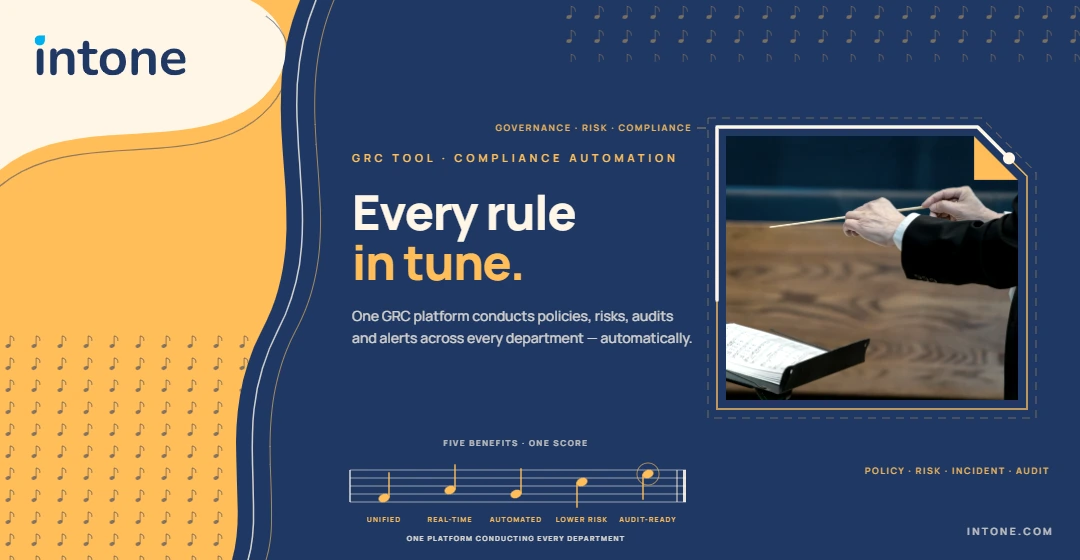
A strategic guide to enterprise governance, continuous controls monitoring, and unified audit readiness.
Governance, Risk, and Compliance (GRC) refers to the integrated framework of strategy, processes, and tools organizations use to manage regulatory requirements, mitigate operational risks, and align IT with business goals. Implementing modern GRC solutions and tools automates compliance tasks, provides continuous controls monitoring, improves audit readiness, and establishes enterprise-wide transparency across complex environments.
With the rise of regulatory policies and scrutinies, staying compliant isn’t just an option—it’s a necessity. Governance, Risk, and Compliance (GRC) refers to the processes and systems companies use to ensure they meet all legal and regulatory requirements. GRC solutions help businesses automate compliance tasks, monitor risks, and maintain transparency across operations.
A GRC tool is a software solution that centralizes compliance management, automates tracking, and provides real-time reports and alerts to keep businesses ahead of regulatory changes. It reduces human errors, streamlines audits, and ensures organizations can actively manage risks. By integrating AI-driven analytics, enterprise applications, and automation, businesses can make smarter, well-informed decisions, improve operational efficiency, and maintain regulatory confidence across their entire infrastructure.
How GRC Helps Businesses Stay Compliant With Regulations
GRC is not just about automation and tracking—it’s also about prevention. By implementing a strong GRC framework, businesses can identify and contain risks before they worsen. A well-structured GRC solution also ensures operational transparency, allowing stakeholders and auditors to monitor compliance performance in real time. Here are a few key ways GRC helps businesses stay compliant with regulations:
Compliance Automation and Internal Audit Simplification
A good GRC solution automates key compliance tasks such as policy management, risk assessment, and incident response, reducing manual efforts and ensuring accuracy. This not only saves time and operational costs but also minimizes the risk of non-compliance penalties. Additionally, automation ensures that compliance updates and regulatory changes are implemented seamlessly across all enterprise departments and business units.
Continuous Compliance Monitoring and Controls Assurance
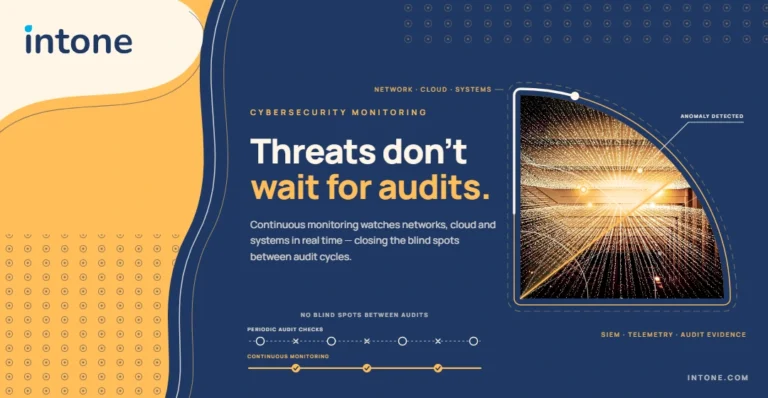
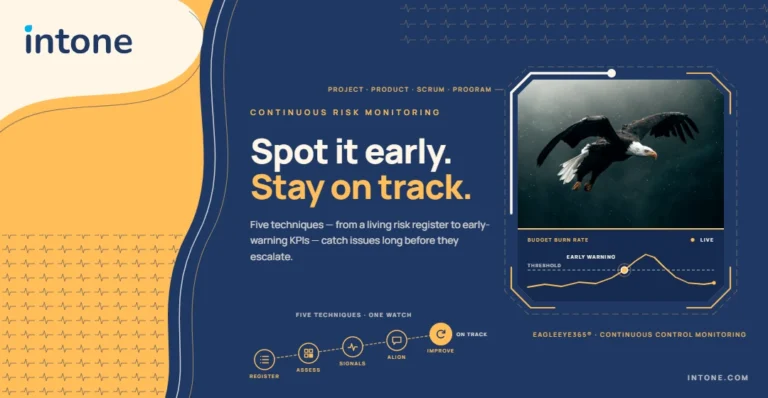
A strong GRC platform provides continuous monitoring of business processes and IT systems, flagging compliance risks as they arise. This enables companies to detect and address potential violations early, preventing them from escalating into major regulatory issues. Automated alerts and continuous controls monitoring dashboards provide ongoing oversight, ensuring organizations stay ahead of regulatory requirements.
Improved Operational Transparency and Audit Readiness
With centralized compliance tracking and operational reporting, businesses gain a clear, organization-wide view of their risk posture. This transparency allows stakeholders, external auditors, and regulatory bodies to assess compliance performance with ease. Customizable reports and evidence management workflows make decision-making easier by identifying gaps before they disrupt operations.
Proactive Regulatory Change Management
GRC tools help businesses adapt to evolving regulations by providing automated updates and policy revisions. Companies can smoothly integrate new compliance standards without disrupting day-to-day operations. This proactive approach ensures organizations remain aligned with industry regulations while containing legal and financial risks.
Stronger Incident Response, Risk Assessment, and Risk Mitigation
In case of a compliance breach or security incident, a GRC framework ensures businesses have a structured response plan in place. By leveraging automated workflows, root cause analysis, and corrective action tracking, security teams can quickly contain risks, document incidents, and prevent recurrence. This reduces liability, protects brand reputation, and builds overall operational resilience.
Key Benefits of the GRC Tool
The GRC tool offers several advantages for organizations looking to automate compliance management processes and strengthen enterprise risk management. Some of the key benefits include:
A Centralized Platform: The GRC tool provides a single, unified platform to manage all compliance activities, ensuring coordination across departments. This improves operational efficiency, eliminates redundancies, and delivers broad visibility into risk and compliance profiles.
Real-Time Reporting and Oversight: With real-time tracking and automated alerts, businesses can identify potential compliance gaps before they escalate into major issues. This enables faster decision-making and significantly strengthens audit readiness.
Automated Workflows: The GRC tool automates essential compliance tasks, including policy management, risk assessment, and incident response, reducing human error and manual workload. This allows security teams and compliance officers to allocate resources more effectively.
Improved Risk Management: By continuously monitoring regulatory changes, operational risks, and compliance frameworks, GRC tools help organizations identify potential threats before they impact business operations.
Improved Audit Preparedness: With built-in audit trails and evidence management features, businesses can easily track compliance history, generate reports, and demonstrate regulatory adherence. This simplifies audit processes, reduces preparation time, and ensures transparency and trust in financial and operational reporting.
Strategic Guide to Selecting GRC Tools: AuditBoard, Microsoft Ecosystem, and Beyond
When evaluating GRC tools, organizations must weigh traditional standalone platforms against modern integrated ecosystems that leverage existing enterprise applications and cloud infrastructure.
Comparing Specialized Tools like AuditBoard and Enterprise GRC Software
Specialized solutions such as AuditBoard offer tailored modules for audit management, risk assessment, and SOX compliance. However, large enterprise environments often require platforms that blend GRC advisory services, deep system integrations, and multi-source data ingestion into a single, cohesive framework. Evaluating whether your compliance needs favor niche point solutions or comprehensive enterprise platforms is a crucial step in architectural planning.
Leveraging Microsoft Power Platform and Microsoft Ecosystem Expertise
Many modern organizations streamline risk and compliance efforts by building upon their existing Microsoft technical stack. By applying Microsoft ecosystem expertise, teams can use Microsoft Power Platform, Azure security services, and native connectors to automate policy distribution, log evidence collection, and build custom GRC workflows. This approach reduces software licensing overhead while providing centralized oversight across Microsoft cloud environments.
Achieving Enterprise Operational Efficiency with GRC Advisory and RPA
As businesses face increasing complexity, the smooth integration of people, processes, and technology becomes essential. Governance, risk, and compliance frameworks help achieve this by breaking down departmental silos, fostering cross-functional collaboration, and ensuring businesses align with long-term strategic objectives.
Integrating Robotic Process Automation (RPA) into your GRC strategy further accelerates compliance with workflows. Front-end RPA handles user-facing requests and policy notifications, while back-end RPA automates repetitive evidence of logging, sample gathering, and control testing. By pairing expert GRC advisory insights with automated workflows, organizations empower security teams and internal auditors to focus on high-impact strategic initiatives rather than manual data entry.
Why Choose Intone for Your Enterprise GRC and Automation Needs?
Intone’s hyper-automation and GRC solutions, in partnership with Enterprise Bot, offer superior use-case mapping that outperforms standard market alternatives like Google Dialogflow. Our advanced Natural Language Processing (NLP) ensures 85%+ accuracy, providing conversational, omnichannel support across enterprise platforms like Gmail and Outlook 365.
Intone delivers end-to-end hyper-automation with a low-code engine, enterprise-grade AES 256-bit encryption, continuous controls monitoring, and multilingual capabilities. Our solutions enable robust data anonymization to further safeguard sensitive information, making regulatory compliance and audit readiness far simpler. Connect with Intone to embrace the future of automated governance and secure your digital enterprise.
FAQ’s
A GRC tool is software that centralizes governance, risk management, and regulatory compliance activities into one platform. It automates control tracking, gathers audit evidence, monitors regulatory changes, and generates real-time reports to keep organizations compliant.
Continuous controls monitoring constantly evaluates system activities and controls against regulatory baselines. By automatically capturing evidence and detecting control failures in real time, it eliminates last-minute audit preparation and ensures continuous audit readiness.
Modern GRC platforms connect directly with Microsoft cloud platforms, Azure, and Microsoft Power Platform via APIs and connectors. This enables automated data collection, unified access governance, and real-time risk alerts across the entire Microsoft ecosystem.
Point solutions like Audit Board focus primarily on internal audit and specific compliance frameworks. Unified GRC platforms offer broader enterprise coverage, integrating security monitoring, continuous controls testing, RPA workflows, and multi-source data ingestion across all business systems.
Intone combines low-code hyper-automation, AES 256-bit encryption, RPA workflows, and deep Microsoft integration to automate continuous controls monitoring, streamline evidence management, and maintain complete audit readiness.
Is your enterprise struggling with fragmented compliance tracking, manual audit preparation, and visibility gaps across scattered business systems?
Intone delivers an end-to-end hyper-automation and GRC platform designed to centralize compliance management, automate continuous controls monitoring, and streamline audit workflows. Featuring deep Microsoft ecosystem expertise, a low-code engine, AES 256-bit encryption, and advanced RPA capabilities, Intone integrates seamlessly across your enterprise applications. Automate risk assessment, accelerate audit readiness, and maintain total transparency and trust across all regulatory frameworks effortlessly.
Transform Complex Compliance into Continuous Enterprise Efficiency
Automate risk detection, streamline evidence collection, and achieve year-round audit readiness with Intone’s unified GRC and hyper-automation solutions.