

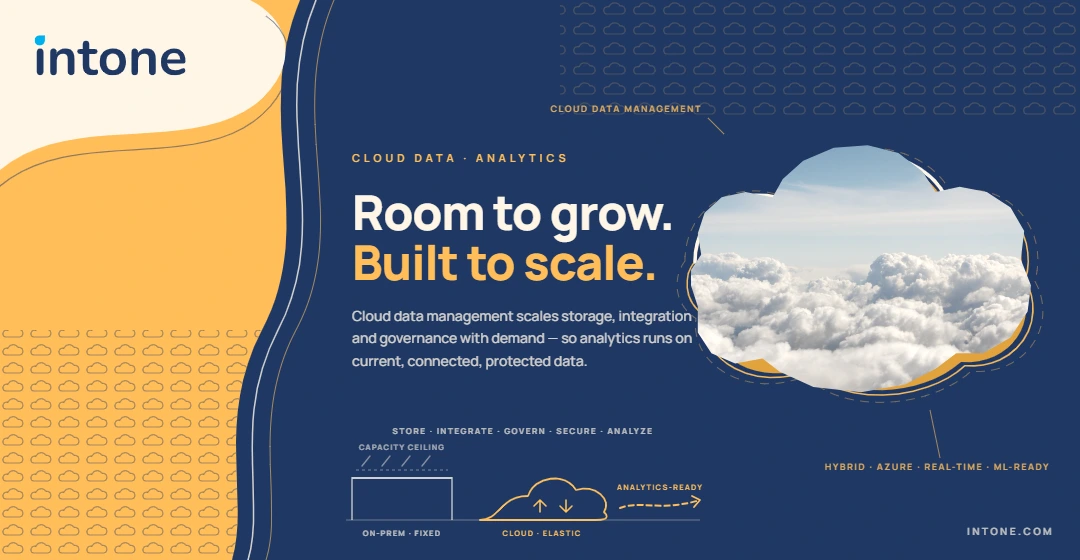
How cloud data management, cloud architecture, data governance, and machine learning are transforming modern data analytics.
What Is Cloud Data Management?
Cloud data management is the practice of using cloud-based infrastructure and services to store, organize, process, protect, integrate, and analyze information while supporting scalability, governance, security, and accessibility.
Cloud data management is revolutionizing data analytics by providing scalable cloud infrastructure for data storage, processing, integration, governance, and analysis. By combining cloud computing with data security, data quality, machine learning, and seamless data integration, organizations can gain practical insights, improve business decisions, and build a more connected enterprise data environment.
In today’s rapidly evolving digital landscape, organizations are generating and managing more information than ever before. The growth of big data, cloud computing, artificial intelligence, and advanced analytics has changed how businesses collect, store, process, and use information.
This increasing volume of information has also created new challenges. Traditional data storage environments can make it difficult to scale infrastructure, maintain data quality, connect different systems, and provide users with timely information.
This is where cloud data management becomes increasingly important.
Cloud data management enables organizations to use scalable cloud infrastructure and cloud environments to manage information more efficiently. It can support data storage, processing, integration, security, governance, and analytics while providing greater flexibility as business requirements change.
For an enterprise, the combination of cloud architecture, data governance, and advanced analytics can create a stronger foundation for making informed business decisions.
Organizations looking to strengthen their broader data strategy can also explore data integration tools, features, benefits, and use cases to understand how different systems and data sources can be connected within a modern data environment.
The Landscape of Traditional Data Management
Traditionally, businesses relied heavily on on-premises infrastructure for data storage, processing, and analytics. As information volumes increased, these environments often became difficult and expensive to scale.
Organizations could experience limited storage capacity, slower processing, restricted accessibility, and disconnected systems. Managing information across multiple platforms could also make maintaining consistent data quality more difficult.
As organizations began requiring real-time analytics and faster access to information, these limitations became increasingly apparent. Businesses needed a more flexible architecture capable of supporting growing data requirements.
For organizations working with older infrastructure, legacy modernization can be an important consideration when transitioning from traditional environments toward modern cloud-based architectures.
Emergence of Cloud Data Management
Cloud data management involves using cloud-based infrastructure and services to store, process, organize, protect, and analyze information.
Instead of relying entirely on physical infrastructure, organizations can use cloud environments to scale up storage and processing capabilities according to changing requirements.
Cloud infrastructure can also help organizations connect information across applications and platforms, creating a more unified environment for analytics and reporting.
Advantages of Cloud Infrastructure
- Scalability: Cloud infrastructure allows businesses to increase or decrease storage and processing resources based on demand.
- Cost-effectiveness: Cloud computing can reduce the need for significant investments in physical hardware.
- Accessibility: Authorized users can access information across locations and departments.
- Flexibility: Cloud architecture can support changing workloads and evolving technology requirements.
- Analytics readiness: Organizations can process and analyze larger datasets using scalable cloud resources.
Organizations planning broader cloud transformation initiatives can also explore Microsoft Cloud Business Transformation as part of their modernization strategy.
Cloud Architecture and Modern Data Analytics
Modern cloud architecture provides the foundation for connecting data storage, processing, integration, and analytics services.
Organizations can combine different cloud services to create environments where information can move efficiently between applications and analytical platforms.
This architecture can also support advanced technologies such as machine learning and artificial intelligence. Organizations can use these technologies to identify patterns, forecast trends, and generate practical insights from large datasets.
As cloud environments become increasingly interconnected, effective IT systems integration can help organizations connect applications and systems while maintaining efficient information flows across their technology environment.
Cloud Data Management and Enterprise Integration
For an enterprise, data rarely exists in one location. Information may be distributed across databases, applications, APIs, cloud platforms, and operational systems.
Cloud data management can help connect these sources and create a more unified information environment.
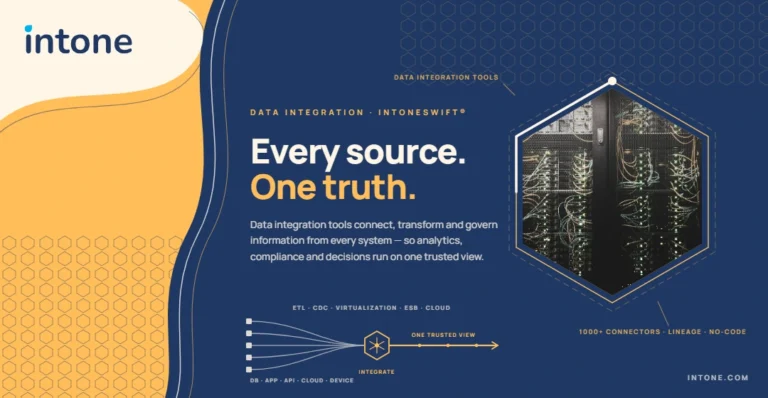
Seamless data integration allows information from different systems to be brought together for analytics and reporting. This reduces dependence on manual data collection and helps organizations make information available to the right users and applications.
Effective integration can also help organizations manage complex environments containing both cloud and on-premises systems.
For example, a retail enterprise may have customer information in a CRM, transaction data in an ERP, website activity in a cloud application, and inventory information in separate operational systems. Cloud data management can help bring these sources together so analysts can evaluate customer behavior, inventory levels, and sales performance through a more connected analytics environment. This can help business teams identify trends more efficiently and make decisions using information from multiple operational areas rather than relying on isolated reports.
Data Governance and Data Quality
As information moves between systems, data governance becomes increasingly important.
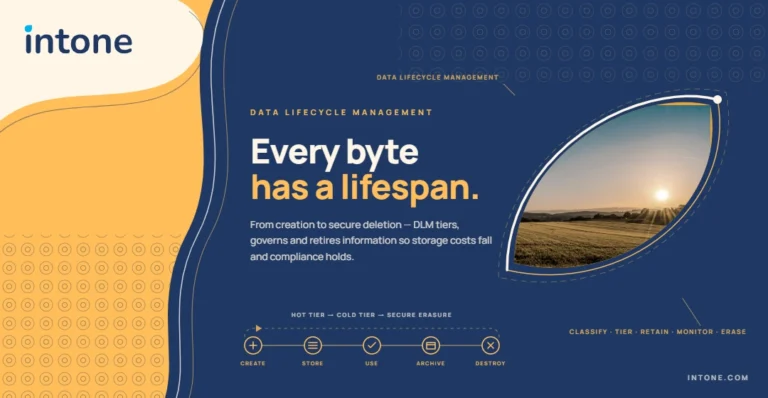
Data governance establishes policies and processes for managing information throughout its lifecycle. It can help organizations define data ownership, access requirements, quality standards, and usage policies.
Organizations looking to strengthen their governance strategy can explore data governance tools when evaluating capabilities for managing enterprise information.
Strong governance combined with effective data quality practices helps ensure that analytical systems work with accurate and reliable information.
This is especially important for organizations that depend on analytics to support operational and strategic decisions.
Data Security and Governance in the Cloud
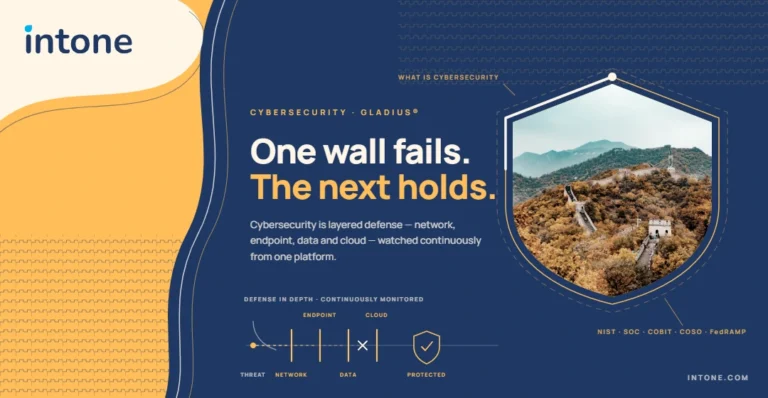
Moving information to cloud environments does not eliminate the need for security. Organizations require effective data security practices to protect sensitive and business-critical information.
Cloud data management platforms can support security through encryption, authentication, access controls, monitoring, and auditing.
Organizations should also consider governance requirements when designing cloud environments. Security and governance requirements can vary depending on the industry, type of information, and applicable regulations.
Effective data governance policies for regulatory compliance can help organizations establish clearer policies around how information is accessed, managed, protected, and used.
Continuous Controls Monitoring
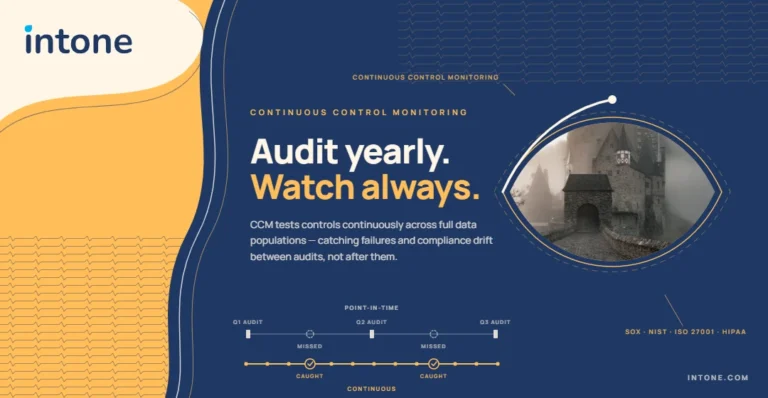
Continuous controls monitoring can provide ongoing visibility into important processes and controls.
Rather than relying exclusively on periodic reviews, organizations can monitor activities continuously and identify potential exceptions, changes, or issues that require attention.
This approach can strengthen governance and provide organizations with greater visibility into their cloud data environments.
Organizations seeking broader capabilities in this area can explore GRC Monitoring Services to support ongoing monitoring of governance, risk, and compliance activities.
Machine Learning and Advanced Analytics
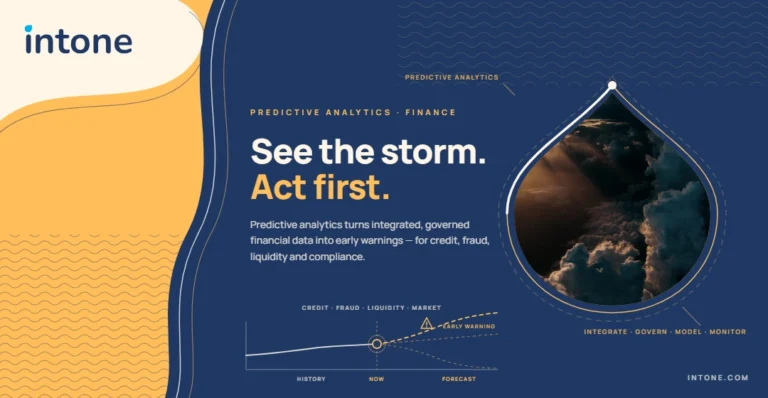
The combination of cloud data management and machine learning is creating new opportunities for advanced analytics.
Machine learning models require access to reliable and appropriately prepared information. Cloud computing can provide scalable storage and processing capabilities for large datasets and machine learning workloads.
Organizations can use these capabilities to identify patterns, forecast trends, improve customer experiences, and support operational planning.
Organizations looking to integrate AI capabilities into their enterprise environment can also explore AI Enablement to support AI adoption, integration, and governance initiatives.
In healthcare, integrated information can also contribute to analytical applications and clinical decision support systems, depending on the organization’s technology, security, and governance requirements.
Revolutionizing Data Analytics
Cloud data management is changing analytics by making information more accessible, scalable, connected, and manageable.
Real-Time Analytics and Practical Insights
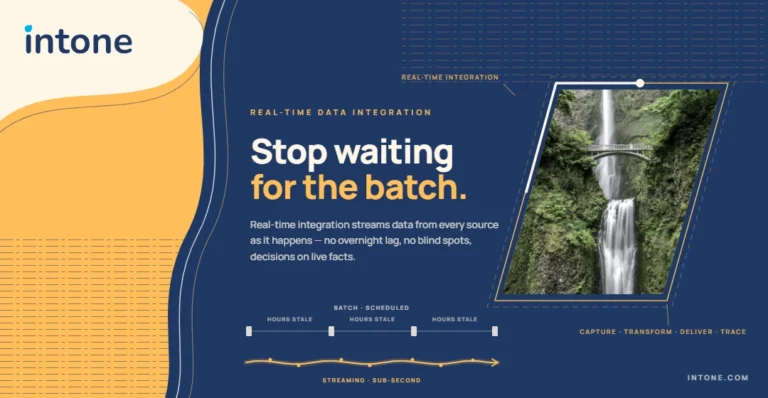
Organizations can use cloud-based analytics to process information more quickly and obtain practical insights from current information.
Real-time access can help teams monitor operations, identify changes, and respond to emerging situations. This can be especially valuable in fast-moving industries where delays in information can affect business outcomes.
Collaboration and Data Sharing
Cloud environments can make it easier for teams to access and share information across departments and locations.
When teams work with consistent information, collaboration can improve and decision-makers can develop a broader understanding of organizational performance.
Why Choose IntoneSwift®?
The impact of cloud data management on data analytics continues to grow as organizations adopt cloud computing, machine learning, advanced analytics, automation, and connected technology.
To achieve these benefits, organizations need solutions that can support integration, security, scalability, governance, and reliable information management.
IntoneSwift® is one such tool that can help organizations address these requirements. It offers:
- Knowledge graph for all data integrations done
- 1000+ data, application, and device connectors
- A graphical no-code/low-code platform
- Distributed in-memory operations that provide 10X speed in data operations
- Attribute-level lineage capturing at every data integration map
- Data encryption at every stage
- Centralized password and connection management
- Real-time, streaming, and batch processing of data
- Support for unlimited heterogeneous data source combinations
- Monitoring capabilities that provide real-time updates
These capabilities can help organizations create connected data environments while improving visibility into data movement and integration processes.
For organizations that also require continuous visibility across their technology environment, cybersecurity monitoring can complement data management and cloud initiatives by supporting broader enterprise security monitoring.
Benefits of Cloud Data Management
A strong cloud data management strategy can provide several benefits:
- Improved data accessibility: Teams can access information across connected cloud environments.
- Better data quality: Governance and validation processes can help improve information reliability.
- Scalability: Cloud infrastructure can adapt to changing workloads.
- Improved security: Cloud-based security capabilities can help protect sensitive information.
- Better analytics: Integrated information can provide a stronger foundation for reporting and advanced analytics.
- Faster business decisions: Access to current and reliable information can support more informed decisions.
- Enterprise flexibility: Organizations can adapt to their architecture as technology and business requirements evolve.
Key Takeaways
- Cloud data management can improve analytics by providing scalable infrastructure, connected information, and access to current data for reporting and decision-making.
- Data governance and data quality are essential for maintaining reliable, consistent, and appropriately managed information across cloud environments.
- Data security remains important in the cloud, with capabilities such as encryption, authentication, access controls, monitoring, and auditing supporting the protection of sensitive information.
- Cloud scalability provides greater flexibility for organizations managing growing data volumes, changing workloads, and evolving analytics requirements.
- Machine learning, real-time analytics, and enterprise integration can build on cloud data management to support advanced analytics and broader digital transformation initiatives.
Conclusion
Cloud data management is becoming a fundamental component of modern data analytics. By combining scalable cloud infrastructure, seamless data integration, data governance, data security, machine learning, and advanced analytics, organizations can create a stronger foundation for informed decision-making.
As businesses continue to generate larger amounts of information, the ability to manage, protect, integrate, and analyze that information efficiently will become increasingly important.
Organizations that adopt effective cloud data management strategies can improve accessibility, strengthen data quality, support governance, and unlock practical insights from their information.
Contact us to learn more about how IntoneSwift® can help you build a connected and scalable data environment.
FAQ’s
Cloud data management is the use of cloud infrastructure and services to store, organize, process, protect, integrate, and analyze information.
It provides scalable infrastructure, improved accessibility, seamless data integration, and processing capabilities that can help organizations analyze information more efficiently.
Data governance establishes policies and processes for data ownership, access, quality, security, and responsible use across cloud environments.
Cloud platforms provide scalable storage and computing resources that can support large datasets and machine learning workloads.
Data security helps protect sensitive information through capabilities such as encryption, authentication, access management, monitoring, and auditing.
Continuous controls monitoring involves ongoing observation of processes and controls to identify exceptions, changes, or potential issues rather than relying only on periodic reviews.
Yes. Connected cloud environments and integrated information can support healthcare analytics and applications such as clinical decision support systems, depending on organizational requirements and applicable security and governance controls.
IntoneSwift® provides data and application connectors, data integration capabilities, lineage, encryption, centralized connection management, real-time and batch processing, and monitoring capabilities to help organizations manage connected data environments.