

In today’s interconnected world, maintaining data security awareness regarding breaches is a significant necessity for modern businesses and individuals alike. Safeguarding sensitive information is critical to building trust, protecting financial assets, and upholding organizational reputation. Modern organizations rely on a continuous data processing cycle to handle massive volumes of sensitive information across various stages of operation. When controls fail during these stages, the fallout can impact every level of an enterprise.
Understanding the essential components of a modern data management plan checklist helps leaders recognize where vulnerabilities exist. Prioritizing data security within your daily operations ensures that sensitive records remain protected against unauthorized exposure. Protect your business from cyber breach risks.
Understanding Key Consequences of Security Breaches
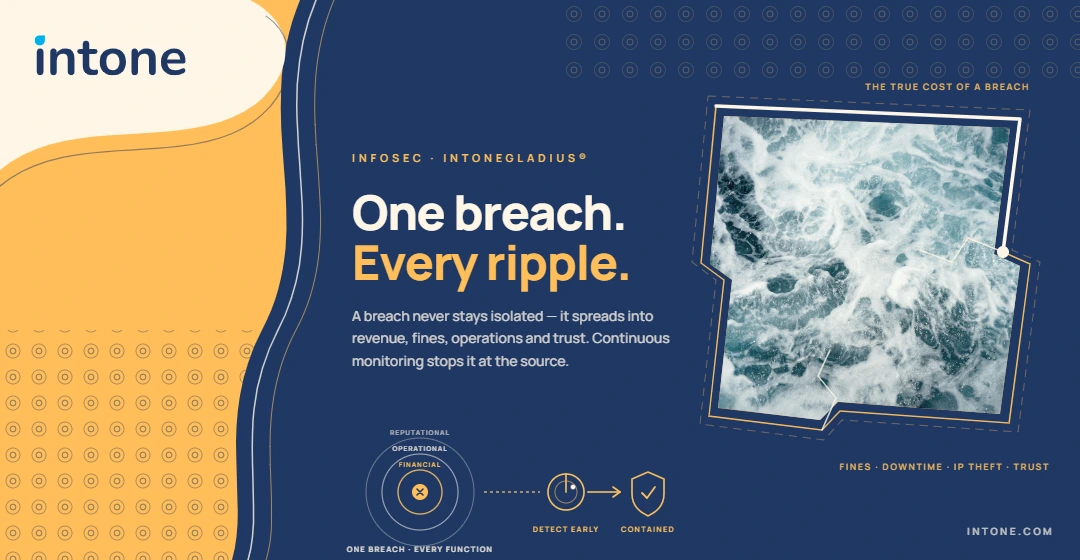
An information security failure rarely stays isolated. Instead, it spreads rapidly across financial, operational, and legal functions, leading to long-term organizational damage.
Financial Impacts and Risk Management Needs
Information security breaches severely harm an organization’s financial health and stability.
- Loss of Revenue and Customer Trust: Organizations suffer immediate declines in sales and customer retention when users lose faith in an enterprise’s ability to protect their private records.
- Legal and Regulatory Fines: Non-compliance with privacy laws like GDPR or CCPA results in heavy penalties. Maintaining rigorous internal control mechanisms is required to satisfy strict regulatory standards.
- Remediation Costs: Responding to an incident requires massive outlays to investigate systems, repair infrastructure, and overhaul your management system.
- Stock Value Volatility: Negative publicity erodes shareholder confidence, driving down public market valuation and threatening long-term financial stability.
Reputational Damage and Stakeholder Trust
When news of a breach spreads, restoring public confidence demands immense effort and resources.
- Negative Media Coverage: Public backlash on social media amplifies brand damage, deterring potential customers.
- Strained Business Relationships: Partners, clients, and suppliers hesitate to work with compromised organizations, disrupting long-term contracts.
- Employee Morale and Administrative Services: Operational stress degrades workplace morale. Unstable environments strain administrative services and make hiring top talent significantly harder.
Operational Disruption and Processing Risks
Operational delays stemming from compromised infrastructure directly undermine business performance and productivity.
Disruption of Processing Workflows and Systems
- Downtime and Unavailability: Prolonged system outages prevent teams from serving clients, damaging customer loyalty.
- Supply Chain Delays: Compromised supply chain partners delay production schedules and strain vendor relationships.
- Intellectual Property Theft: Theft of trade secrets eliminates competitive market advantages and undermines research investments.
Importance of Data Analytics and Risk Management in Audits
Implementing proactive risk controls and executing a continuous audit strategy are critical to mitigating security exposure before a breach occurs.
Building an Effective Data Analytics Framework for Banking and Enterprise
Organizations must leverage effective data analytics to monitor access patterns and detect anomalies in real time.
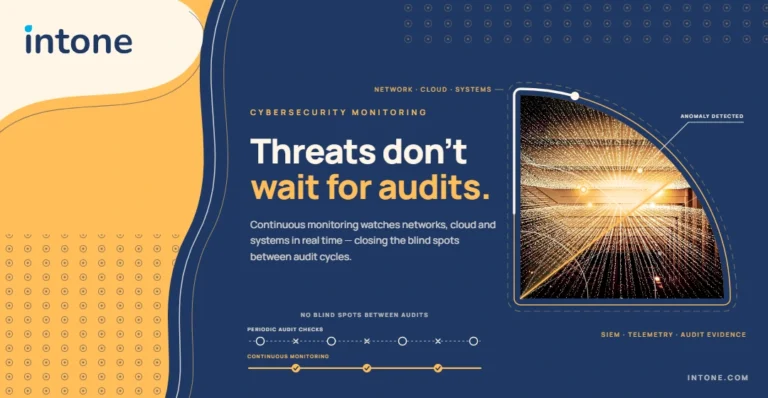
- Continuous Monitoring: Utilizing data analytics enables security teams to identify irregular network behavior early.
- Banking and Financial Safeguards: High-risk sectors like banking require specialized oversight to protect transactional records and satisfy strict compliance audits.
- Decision Making Across Business Functions: Applying effective data analytics drives better strategic decision making across business functions, allowing leaders to allocate security resources precisely where risks are highest.
Comprehensive risk assessment relies on gathering concrete statistics on threat vectors, system vulnerabilities, and operational readiness. Incorporating these insights into routine internal audit procedures ensures business continuity and protects vital corporate assets.
Dynamic Insights & Defense Strategy
How to prevent data breach losses? IntoneGladius® provides real-time monitoring and custom security controls for total data safety.
- Mitigating modern security threats requires proactive management, robust technical controls, and ongoing system monitoring.
- Businesses must build a comprehensive defense system that combines automated threat monitoring with clear compliance governance. Partnering with specialized security providers simplifies complex regulatory requirements while providing continuous visibility across all digital assets.
- Discover more actionable insights on corporate security standards by reading our detailed analysis on the key consequences of information security breaches.
- IntoneGladius® delivers customized security controls, continuous system oversight, and seamless compliance management to keep your business resilient against modern cyber threats.
FAQ’s
Beyond immediate forensic investigations and system repairs, the largest hidden costs include regulatory fines (such as GDPR or CCPA non-compliance), lost sales revenue from eroded customer trust, stock value depreciation, and ongoing litigation. Implementing continuous monitoring tools like IntoneGladius® helps organizations prevent these unexpected expenses by catching threats before they escalate into full-scale breaches.
A breach often leads to critical system downtime, interrupted customer service delivery, and supply chain delays. Additionally, if intellectual property or trade secrets are compromised, your company risks losing its competitive edge. Automated risk management frameworks help secure your workflows and ensure operational continuity during potential security events.
Data analytics tools track user behavior and network access patterns in real time to spot irregular activity—such as unauthorized access attempts or suspicious data transfers—before damage occurs. Systems built with automated oversight enable security teams to respond instantly and allocate resources where vulnerabilities are highest.
Financial institutions handle massive volumes of high-value transactional records, making them top targets for cyber threats. They are also subject to strict regulatory audits and compliance requirements. Specialized security platforms like IntoneGladius® provide high-risk industries with custom security controls, real-time tracking, and automated compliance auditing to maintain total data safety.
Effective defense requires combining automated threat detection, strong internal access controls, and routine security audits. Schedule a discovery session to see how IntoneGladius® delivers real-time monitoring, customizable controls, and seamless governance to keep your enterprise resilient against modern cyber threats.