

The future of cybersecurity relies on emerging technology integrations—such as artificial intelligence, zero trust architecture, and cloud continuous control monitoring—to proactively neutralize cyber threats, automate compliance, and safeguard sensitive information across modern enterprise environments.
In the age of rapid digitalization, enterprise cybersecurity remains a paramount concern for modern organizations, and with good reason. With escalating cyber threats, global enterprise organizations have recognized the immense value of adopting cybersecurity emerging technologies to fortify their digital infrastructure. From safeguarding cloud data management services to ensuring smooth robotic process automation, the evolving cybersecurity landscape is set to redefine how we protect critical digital assets and manage systemic operational risk.
Current State of Enterprise Cybersecurity and Critical Challenges
The surge in sophisticated attacks and subsequent breaches has emphasized the urgent need for superior, end-to-end data security across public and private sector agencies. According to research from Cybersecurity Ventures, global cybercrime damages are projected to cost the world $10.5 trillion annually, underscoring how financial and operational risks have reached unprecedented levels. From widespread phishing campaigns to complex ransomware operations, cyber threats have grown increasingly targeted and destructive.
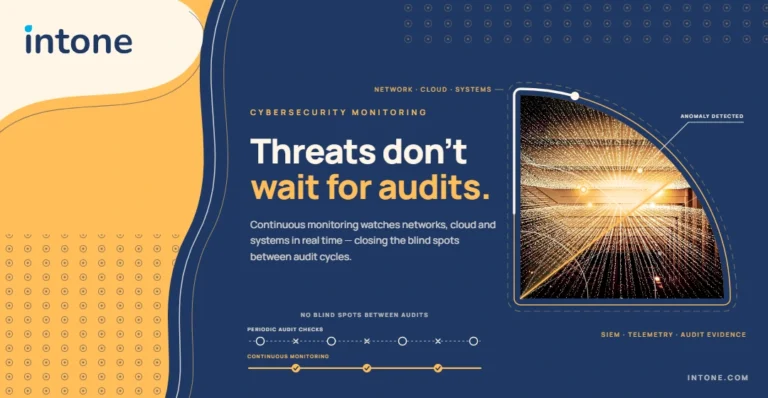
Traditional cybersecurity measures, although efficient in earlier computing eras, are no longer sufficient against modern threat vectors. Static defenses and periodic audits leave dangerous blind spots, forcing organizations to shift away from reactive postures toward a continuous control monitoring approach.
Cybersecurity isn’t merely an isolated IT issue; it is a core discipline within broader cybersecurity risk management. The emphasis on comprehensive cybersecurity risk assessment highlights the significance of continuously innovating security controls to stay a step ahead of potential threats in an interconnected digital economy.
Key Cybersecurity Emerging Technologies Transforming Threat Detection and Defense
• Artificial Intelligence, Machine Learning, and Automation in Cyber Defense: The integration of artificial intelligence and cybersecurity is pioneering a new era in rapid threat detection. Advanced machine learning algorithms possess the capacity to analyze trillions of data points, anticipating and neutralizing malicious activities at a pace that far surpasses human capability. In practical enterprise scenarios, this technological synergy powers automated threat intelligence, real-time anomaly flagging, and efficient phishing detection before employees interact with malicious payloads. Furthermore, process automation allows security operations teams to orchestrate rapid incident response playbooks automatically, instantly isolating compromised nodes without human delay.
• Quantum Computing, Encryption, and Data Security: Quantum computing has the potential to threaten current encryption methods in the future, which is why organizations are exploring post-quantum cryptography. In response to this imminent disruption, researchers and security leaders are delving into post-quantum, quantum-resistant cryptography algorithms to guarantee the long-term data security of encrypted financial, health, and government records.
• Blockchain Technology for Data Governance and Lineage: Blockchain technology, with its cryptographic emphasis on immutable data lineage and record integrity, has significantly enhanced trust in distributed digital transactions. This technology simplifies the complex processes of securing digital identities, tracking unauthorized data modifications, and enforcing strict data governance across multi-tenant cloud ecosystems.
• Internet of Things (IoT) Security Across Connected Devices: The proliferation of internet of things (IoT) devices across industrial networks and smart workplaces has unveiled a vast web of potential vulnerabilities susceptible to exploitation by malicious actors. Ongoing technological developments relentlessly strive to fortify this expansive device edge through automated hardware attestation, isolated network segmentation, and continuous threat intelligence feed integration.
• Biometric Authentication and Identity Protection: The growing prominence of multi-factor biometric security measures—such as facial recognition, high-resolution fingerprints, and retina scans—is undeniable across modern access control systems. While these biometrics offer friction-free security advantages over legacy passwords, they also introduce complex considerations regarding biometric data privacy and compliance under strict frameworks like the General Data Protection Regulation (GDPR).
Zero Trust Architecture and Modern Security Posture
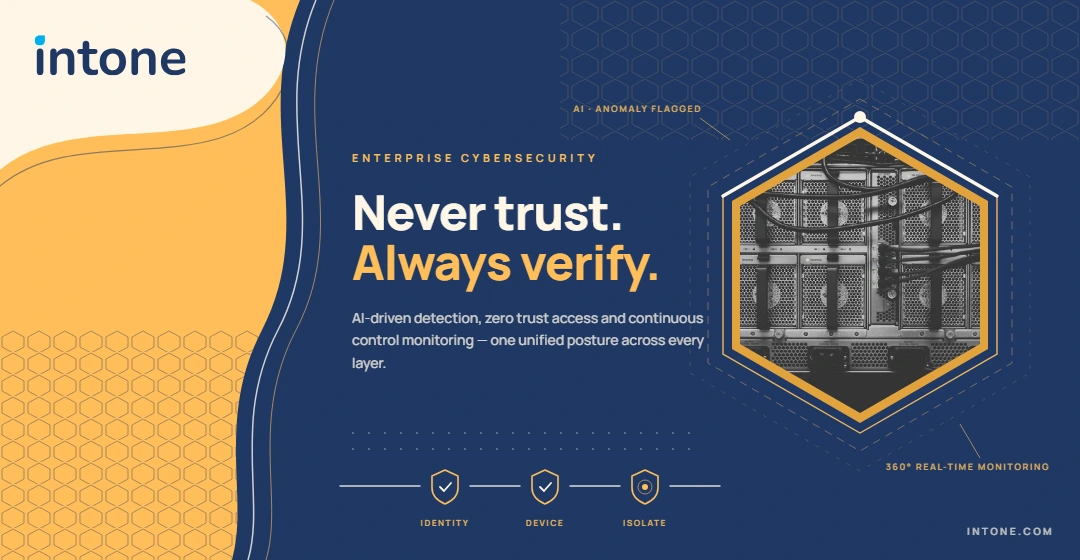
“Never trust, always verify” encapsulates the foundational principles of the zero trust architecture model designed to minimize corporate data breaches. By removing implicit trust from internal networks and enforcing continuous identity verification, enterprise organizations realize a marked reduction in unauthorized access while dramatically improving their overall security posture.
Real-World Impact Case Scenario:
Consider a modern financial enterprise targeted by a sophisticated credential stuffing attack. Under traditional perimeter security, compromised credentials could allow lateral movement across internal servers unchecked. However, by combining AI-driven behavioral analytics with Zero Trust network architecture, the system detects anomalous API access requests in milliseconds, prompts step-up authentication, and automatically isolates the flagged node. Simultaneously, continuous control monitoring logs the incident and updates regulatory audit trails in real time—stopping a major breach before sensitive records are exfiltrated.
The Future Trends and Unified Landscape of Cybersecurity Services
Strategic Integration of Cloud, Microsoft Ecosystems, and Emerging Technology
Uniting artificial intelligence with blockchain, or embedding biometric identity checks directly into edge internet of things devices, creates a formidable multi-layered defense system. Merging these groundbreaking developments offers a holistic approach to cybersecurity risk management, especially when reinforced with cloud-native cybersecurity monitoring tools.
As businesses accelerate their cloud data modernization initiatives, securing enterprise workloads across hybrid infrastructures—particularly within widely deployed ecosystems like Microsoft Azure and Microsoft 365—demands native visibility. Protecting these hybrid environments requires seamless integration between threat intelligence solutions and cloud security posture management tools to detect identity theft and unauthorized API calls instantly.
Cybersecurity in Critical Infrastructure and Public Sector Agencies
Critical infrastructures, such as municipal power grids, water utilities, and transportation systems, remain alluring targets for sophisticated state-sponsored hackers and criminal groups. Fortunately, the deployment of cutting-edge network security technologies and real-time behavioral monitoring offers enhanced protection for these vital public sector assets.
The Human Factor, Professional Roles, and Security Operations
Merely acquiring security tools is never enough. The cornerstone of resilient protection lies in continuous cybersecurity education, staff awareness, and fostering a strong security culture. As automation handles repetitive triage, the roles of human analysts within security operations centers (SOCs) are evolving to become more strategic, specialized, and focused on proactive threat hunting.
Ethical, Privacy, and Regulatory Compliance Implications
Incorporating biometrics, deep packet inspection, or artificial intelligence algorithms raises essential questions about individual privacy rights and data usage ethics. In response to emerging threats, global regulatory bodies are working overtime to expand compliance standards. Enterprises must now navigate complex governance obligations spanning international frameworks like General Data Protection Regulation (GDPR), ETSI TC CYBER (European Telecommunications Standards Institute Technical Committee on Cyber Security), NIST, and specialized sector regulations to avoid severe non-compliance penalties.
Persistent Challenges, Hackers, and the Evolving Arms Race
Cybersecurity emerging technologies inevitably introduce new potential vulnerabilities alongside their benefits. This perpetuates a relentless arms race between defensive cybersecurity experts and adaptable hackers. Maintaining a robust posture requires sustained vigilance, rapid security patch management, and continuous adaptation across every layer of the enterprise digital stack.
Why Choose IntoneGladius® for Enterprise Cybersecurity?
As organizations adapt to the digital era, adopting the latest cybersecurity technologies is vital to protecting enterprise operations. From quantum-resistant algorithms to artificial intelligence integrations, navigating future trends demands an agile, central compliance platform. IntoneGladius® is an advanced cybersecurity solution built to address your end-to-end security and regulatory needs. We offer:
• Customizable Security Controls: Equips your security team to custom-craft and fine-tune security controls tailored precisely to your operational environment.
• Accelerated Compliance Automation: Reduces operational costs by achieving and proving regulatory compliance faster with automated evidence collection.
• Unified Compliance Platform: Features a centralized IT compliance platform that eliminates redundant mapping across overlapping control frameworks, including SOC, NIST, IASME, COBIT, COSO, ETSI TC CYBER, CISQ, FedRAMP, FISMA, and SCAP.
Contact us today to learn how IntoneGladius® can elevate your security posture and streamline enterprise compliance!
FAQ’s
The future of cybersecurity relies on combining artificial intelligence, zero trust architecture, blockchain, and continuous automated monitoring to detect and neutralize cyber threats in real time before damage occurs.
Artificial intelligence and machine learning analyze vast amounts of network traffic to identify anomalous behavior, detect phishing attempts, and automate incident response far faster than manual human review.
Continuous control monitoring replaces periodic manual audits with real-time tracking of security controls, ensuring ongoing adherence to standards like GDPR, NIST, and ETSI TC CYBER while reducing compliance overhead.
IntoneGladius® provides a centralized IT compliance platform that maps security controls across major frameworks (SOC, NIST, ETSI TC CYBER, FedRAMP), eliminating redundant audits and lowering overall compliance management costs.
Is your security team struggling to defend against AI-driven cyber threats using fragmented tools and periodic audits?
IntoneGladius® provides 360-degree real-time monitoring and automated compliance mapping across frameworks like NIST, SOC, and FedRAMP—empowering your enterprise to proactively detect anomalies and neutralize modern cyber threats from a single interface.
Elevate your enterprise security posture and automate compliance today.