

Enterprise leaders often struggle to maintain compliance visibility across hybrid environments, not because policies lack definition, but because continuous risk monitoring and evidence validation lack integration. Establishing true organizational resilience typically requires more than static policies; it demands automated continuous controls monitoring, audit-ready evidence generation, regulatory compliance tracking, and direct integration across core enterprise architectures.
What Is a Governance Risk and Compliance Framework?
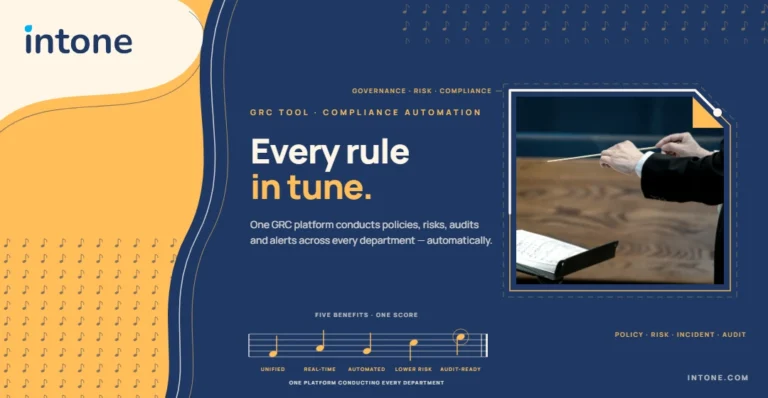
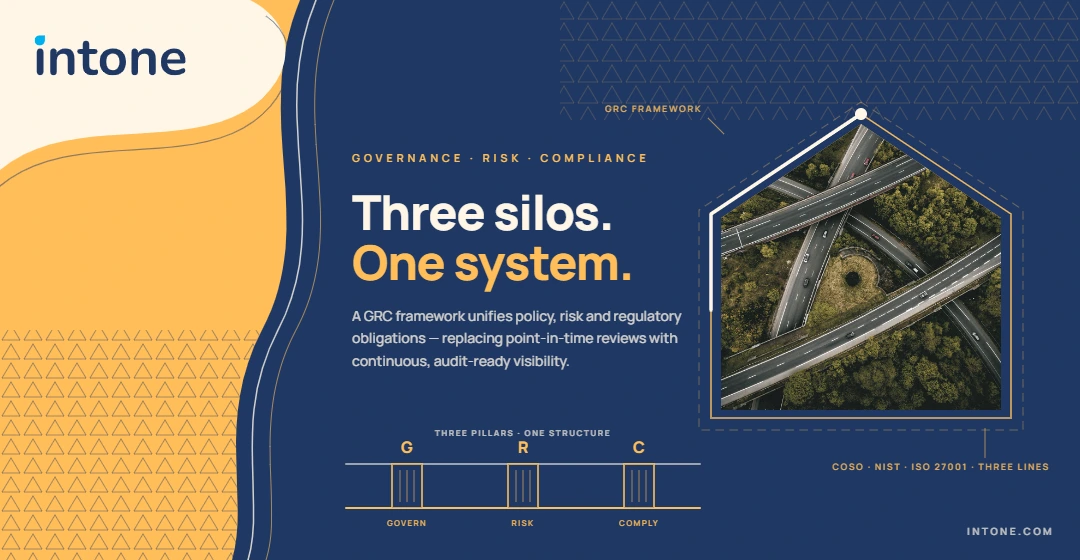
A Governance Risk and Compliance (GRC) framework is a structured approach that helps organizations align governance, risk management, and compliance practices to achieve business objectives and manage organizational risks.
Navigating Modern Enterprise Complexities
GRC (Governance, Risk, and Compliance) is a strategic framework that helps organizations navigate complex challenges, manage risks, and ensure compliance with regulations. It provides a structured approach for making informed decisions, mitigating risks, and enhancing overall performance.
A strong Governance Risk and Compliance Framework is essential for modern enterprise leaders to thrive in today’s dynamic business environment. It provides a solid foundation for managing risks, ensuring compliance with regulations, and maintaining stakeholder confidence. Enterprise leaders leverage grc advisory models to align IT workloads with regulatory expectations while employing continuous grc monitoring services across their cloud footprint.
Organizations have spent years investing in digital transformation and enterprise modernization. The strategic rationale has always been clear: streamline operational workflows, reduce risk exposure, automate audit processes, and sustain long-term business resilience.
Yet many governance, risk, and compliance leaders face a persistent operational reality: the policies are established, risk registers are populated, and compliance checks are routinely performed. And still, enterprise teams spend countless hours managing manual assessments, tracking exception requests, addressing compliance drift, and preparing evidence packages for internal and external reviews.
In conversations with risk officers and IT leaders, we hear the same core challenge: “Our leadership needs clear, continuous visibility into risk and compliance posture, but our existing framework relies on manual reviews and fragmented reporting. How do we build an integrated GRC model that drives executive confidence and audit efficiency?”
It is a critical question—one that highlights the gap between static compliance activities and modern, technology-enabled governance.
What is GRC?
GRC brings together governance, risk management, and regulatory alignment into a unified operating model. By eliminating operational silos, an enterprise GRC structure allows business leaders to evaluate threats, enforce internal policies, and satisfy external regulatory requirements without creating friction in daily operations.
Common GRC Frameworks
Organizations use established frameworks to structure governance, risk management, and compliance activities
- COSO: Provides a framework for internal control, risk management, and organizational governance.
- NIST: Offers cybersecurity and risk management guidance to help organizations identify, assess, and manage security risks.
- ISO 27001: Provides requirements for establishing, implementing, maintaining, and continually improving an information security management system (ISMS).
- Three Lines Model: Defines roles and responsibilities across management, risk and compliance functions, and internal audit to support effective governance and risk oversight.
The Dynamic Governance Landscape
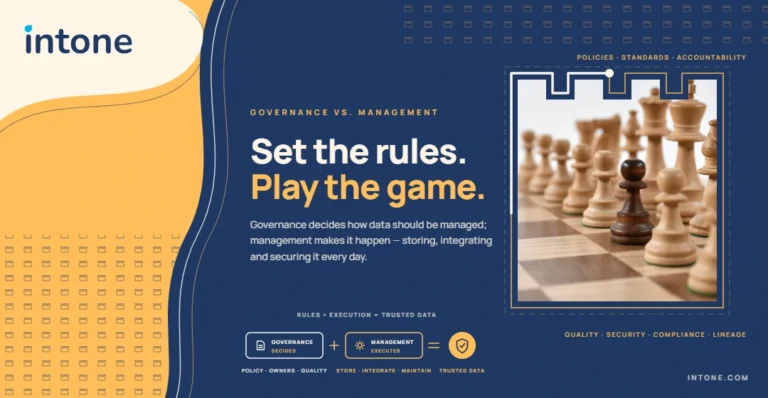
Governance refers to the overall structure, policies, and processes that guide an organization’s operations and decision-making. It involves setting strategic objectives, defining roles and responsibilities, and ensuring accountability.
Many leaders expect operational risk to drop automatically as corporate policies are updated. From an organizational standpoint, that expectation seems natural—clear guidelines establish standard operating procedures, clarify accountability, and set baseline controls.
However, policy updates alone do not ensure continuous operational compliance. Governance bodies and regulatory authorities require clear evidence that enterprise controls are actively enforced, continuously monitored, and capable of adapting to shifting operational risks. When that continuous visibility is missing, organizations face increased audit friction, higher remediation costs, and elevated risk exposure across complex legacy and cloud architectures.
Corporate Governance Principles and Oversight
Effective corporate governance creates the baseline operational framework across the organization. Key focus areas include:
Setting Strategic Direction: Establishing clear goals and objectives to align technology and business strategy.
Defining Policies and Procedures: Creating comprehensive guidelines for how the enterprise operates safely and ethically.
Assigning Roles and Responsibilities: Defining clear accountability for governance, regulatory oversight, and risk management.
Monitoring Strategy and Executive Oversight: Implementing robust executive dashboards to verify policy adherence and track continuous compliance.
Proactive Enterprise Risk Management Frameworks
Risk management involves identifying, assessing, and mitigating potential threats that could impact an organization’s objectives. It requires evaluating the likelihood and severity of risks and developing proactive mitigation strategies.
A mature risk management function incorporates four essential operational pillars:
Risk Identification Across Systems: Pinpointing internal operational gaps, financial exposures, and external cybersecurity threats across multi-cloud environments.
Quantitative Risk Assessment: Evaluating threat likelihood and potential business impact to prioritize remediation resources effectively.
Proactive Response Strategies: Executing clear workflows to mitigate, avoid, transfer, or accept identified operational risks.
Anomaly Detection and Risk Monitoring: Continuously tracking risk exposure using machine learning anomaly detection and triggering instant time exception alerts when thresholds are breached.
Regulatory Compliance Monitoring and Verification
Compliance involves ensuring that an organization adheres to all relevant laws, regional compliance mandates, and industry standards. Key compliance execution steps include:
Identifying Applicable Laws and Regional Directives: Determining legal mandates across all operational jurisdictions.
Developing Compliance Policies: Establishing enforceable controls to satisfy regulatory guidelines.
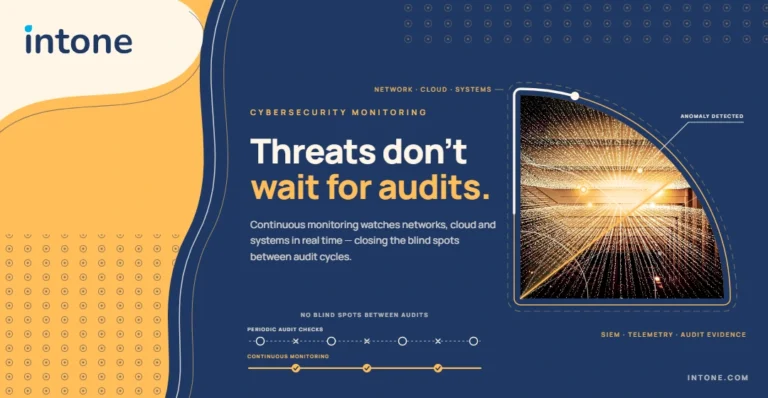
Continuous Regulatory Compliance Monitoring: Conducting ongoing reviews and automated testing to maintain compliance validation.
Addressing Non-Compliance: Executing rapid corrective actions to resolve control deficiencies before formal external audit cycles.
Core Components of Integrated GRC Architecture
An effective Governance Risk and Compliance Framework brings together three core pillars working in unison:
Governance: Establishing clear policies, standards, and strategic direction.
Risk Management: Proactively identifying, evaluating, and mitigating risk exposure.
Compliance: Maintaining continuous alignment with external regulatory obligations and internal standards.
Managing these components in an integrated framework protects enterprise assets while accelerating business transformation.
Key Benefits of a GRC Framework
- Stronger governance: Improve accountability, oversight, and decision-making.
- Better risk management: Identify, assess, and mitigate risks proactively.
- Improved compliance: Monitor regulatory requirements and reduce compliance gaps.
- Greater audit efficiency: Automate evidence collection and streamline audit processes.
- Enhanced visibility: Give executives timely insights into organizational risk and compliance.
- Informed decision-making: Use centralized information to support strategic business decisions.
Business Transformation Benefits of a GRC Framework
A structured GRC framework provides measurable operational value across the enterprise:
Enhanced Decision-Making: Real-time executive dashboards present clear risk visibility to inform strategic business choices.
Proactive Threat Defense: Continuous cybersecurity monitoring protects critical assets against emerging threats.
Operational Efficiency: Streamlined compliance workflows eliminate manual effort and support legacy modernization.
Audit Efficiency and Readiness: Automated evidence collection cuts total external audit hours and drives year-round audit readiness.
Improved Stakeholder Assurance: Comprehensive GRC tracking delivers coverage assurance that satisfies leadership, investors, and strict audit committee scrutiny.
Implementing Continuous Controls Monitoring and Automation
Modern enterprises are shifting from manual point-in-time reviews to automated execution:
Continuous Controls Testing: Implementing continuous controls monitoring solutions to validate control performance automatically.
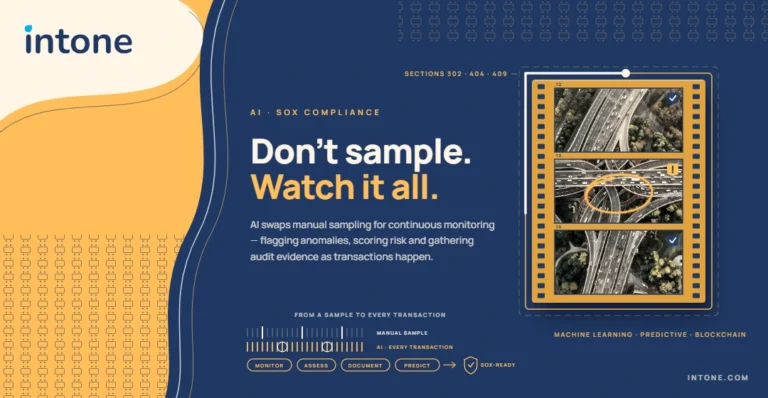
Automate Evidence Gathering: Replacing manual sampling by using evidence automation to enable full population auditing.
Privileged Activity Monitoring: Tracking elevated permissions via privileged activity monitoring to maintain strict identity boundaries.
Strategic Roadmap for Technical Systems Integration
Implementing a GRC framework requires a phased operational strategy:
Assess Organizational Needs: Evaluate internal control environments, gaps, and enterprise audit requirements.
Build a GRC Monitoring Roadmap: Establish clear implementation milestones, resource allocations, and review gates.
Deploy Enterprise Systems Integration: Connect systems through native enterprise integration across cloud platforms like Microsoft environments.
Internal Audit Automation: Deploy audit software to execute continuous internal audit automation and generate instant audit packages.
Vendor Compliance Monitoring: Extend risk controls across external supply chains using automated vendor compliance monitoring.
Continuous GRC Monitoring Services: Engage dedicated continuous grc monitoring services to optimize governance posture over time.
To explore implementation strategies in greater detail, read our complete guide on the Governance Risk and Compliance Framework And Why You Need It.
Driving Long-Term Resilience with Data Management Services
A robust Governance Risk and Compliance Framework provides the structural baseline for organizational agility and security. By partnering with experienced providers of Data Management Services, deploying advanced data integration tools, and building comprehensive data governance policies, modern organizations can build a resilient, audit-ready operational environment.
Key Takeaways
- Strengthen governance: Establish clear accountability, policies, and oversight across the organization.
- Improve risk management: Identify, assess, and address risks continuously to maintain a stronger risk posture.
- Enhance compliance monitoring: Monitor controls and compliance activities regularly to detect issues and compliance drift more quickly.
- Automate audits: Use audit automation to reduce manual effort, streamline evidence collection, and improve audit readiness.
- Increase executive visibility: Provide leadership with timely insights and dashboards to support informed risk and compliance decisions.
FAQ’s
A GRC framework is an integrated strategy designed to manage enterprise policies, assess operational risks, and ensure continuous adherence to regulatory mandates.
Continuous controls monitoring provides real-time visibility into control performance, flagging compliance drift more quickly rather than relying on periodic manual audits.
Automation streamlines evidence gathering, maintains verifiable audit trails, cuts manual prep time, and reduces total external audit hours.
Executive dashboards aggregate risk metrics and compliance statuses into clear visual reporting, giving leaders actionable insights for strategic decision-making.
EagleEye365® provides end-to-end continuous controls testing, automated evidence generation, and native integration across enterprise cloud systems to ensure continuous audit readiness.
Governance defines organizational direction and accountability, risk management identifies and mitigates threats, and compliance ensures adherence to applicable laws, regulations, and policies.