

Constructing an elastic, secure, and future-ready cloud data architecture to power enterprise decisions.
Data is the foundation of modern enterprise operations. Whether improving customer experience, streamlining daily workflows, or making strategic executive decisions, modern organizations rely heavily on insights drawn directly from information assets. By investing in modern data analytics services, companies can convert raw operational inputs into actionable insights, giving them a significant competitive boost in an increasingly dynamic market.
As an enterprise grows, managing larger volumes of information becomes exponentially more difficult. The complexity of modern datasets, combined with rising demand for rapid, high-throughput analysis, frequently leads to operational inefficiencies, escalating infrastructure costs, and delayed decision-making. This is precisely where building a resilient, scalable cloud data analytics framework becomes essential for long-term survival. It ensures that your underlying infrastructure grows effortlessly alongside your organization, adapting to shifting demands while preventing performance bottlenecks and high maintenance overhead.
This comprehensive guide outlines practical, end-to-end steps to construct a scalable analytics architecture tailored specifically to meet your evolving business needs.
Understanding Scalability and Infrastructure Demands in Cloud Environments
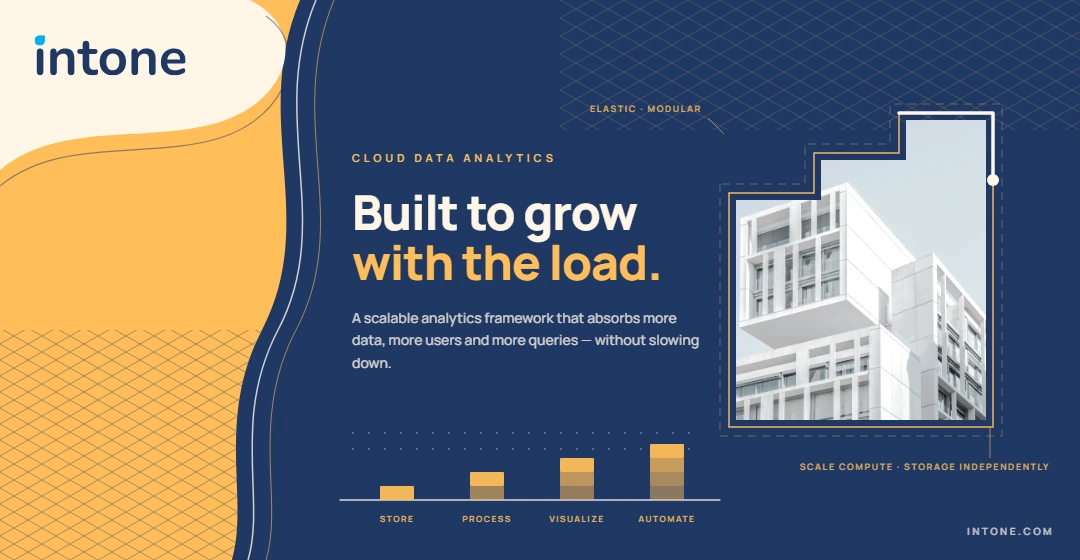
Scalability in modern analytics represents the structural ability of an enterprise architecture to process expanding workloads, user loads, and complex queries without degrading operational performance. Establishing an elastic foundation ensures your analytics platform remains highly performant as organizational demands multiply over time.
Key Benefits of a Scalable Architecture
- Accommodates Expanding Volumes: With organizational data generation increasing rapidly across multi-cloud environments, modern scalability guarantees your platform seamlessly ingests, processes, and stores massive datasets without structural failure.
- Boosts Real-Time Performance: Scalable systems drastically reduce query latency, ensuring immediate access to business intelligence. This real-time processing capability is vital for high-concurrency industries such as financial services, retail, and healthcare.
- Optimizes Total Cost of Ownership: A well-architected platform mitigates the need for complete infrastructure overhauls, optimizing cloud resource usage and reducing long-term technology expenditures.
Essential Structural Characteristics
- Architectural Flexibility: Easily adapts to changing business goals and seamlessly integrates with newly emerging analytical tools, microservices, or external APIs.
- Component Modularity: Enables independent scaling of compute, storage, and ingestion layers so organizations pay only for the precise infrastructure capacity they consume.
- Enterprise Reliability: Delivers continuous uptime and operational stability even during sudden traffic spikes, large batch ingestion runs, or complex analytical query workloads.
Real-World Applications of Scalability
- Entertainment and Streaming: Platforms like Netflix process immense volumes of telemetry and viewer metrics using elastic cloud environments to deliver uninterrupted user experiences during peak global demand.
- Travel and Hospitality: Companies such as Airbnb utilize distributed processing tools like Apache Spark and Hadoop to evaluate real-time booking trends, dynamic pricing models, and user behavior at scale.
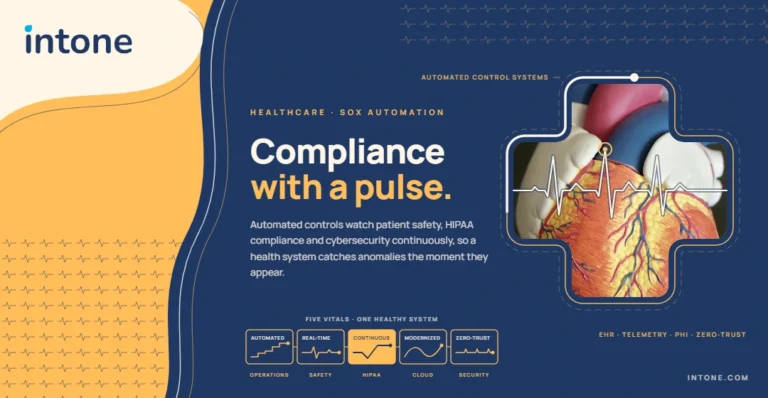
- Healthcare Systems: Modern medical networks rely on high-performance analytics platforms to process electronic health records, forecast emergency room capacity, and optimize clinical patient outcomes.
Strategic Steps to Build a Scalable Cloud Framework
Constructing a future-ready analytics ecosystem requires deliberate architectural planning, strict regulatory alignment, and continuous technology optimization.
1. Align Technical Strategy with Business Goals
A successful deployment begins by mapping operational data initiatives directly to overarching organizational objectives.
- Define clear analytical objectives. For instance, an e-commerce platform may focus on hyper-personalized customer retention, whereas a manufacturing plant prioritizes predictive equipment maintenance.
- Establish measurable Key Performance Indicators (KPIs) to monitor project performance, such as accelerated reporting speed, elevated operational yield, or reduced infrastructure waste.
2. Assess Existing Infrastructure and Data Quality Gaps
Before implementing new technology, conduct a thorough audit of your current information pipelines to expose structural bottlenecks and technical debt.
- Evaluate whether legacy database systems and legacy pipelines can reliably sustain anticipated data growth rates over the next three to five years.
- Determine if your present stack adequately supports real-time streaming, high-speed ingestion, and interactive visualization dashboards.
- Identify architectural weak points, such as fragmented legacy databases, excessive manual data transfers, or poor data quality.
3. Select the Right Technology Stack and Cloud Services
Selecting robust, interoperable tools is critical to achieving elastic scale across distributed networks.
| Layer | Recommended Solutions & Capabilities | Strategic Value |
| Data Storage | Multi-tiered object stores like Azure Data Lake Storage (ADLS), elastic data warehouses, and scalable data lakes | Delivers cost-effective storage separation from compute resources. |
| Data Processing | Unified analytics platforms such as Microsoft Fabric, enterprise compute engines like Azure Synapse Analytics, and real-time streaming serverless pipelines | Handles high-velocity ingestion and complex analytical transformations. |
| Visualization | Dynamic business intelligence tools like Power BI and self-service analytics dashboards | Converts complex raw data into clear, interactive executive reports. |
| Automation & AI | Integrated machine learning pipelines, predictive modeling, and automated monitoring | Speeds up pattern recognition and automates proactive business alerts. |
Deploying platforms such as the Microsoft Cloud ecosystem allows enterprises to scale compute and storage independently while maintaining centralized administration. By combining Azure Data Lake Storage for central repository management with Azure Synapse Analytics and Microsoft Fabric for unified enterprise data processing, organizations can seamlessly feed real-time insights directly into Power BI dashboards to maintain flexible, high-throughput operational architectures.
4. Establish Rigorous Data Governance and Security Policies
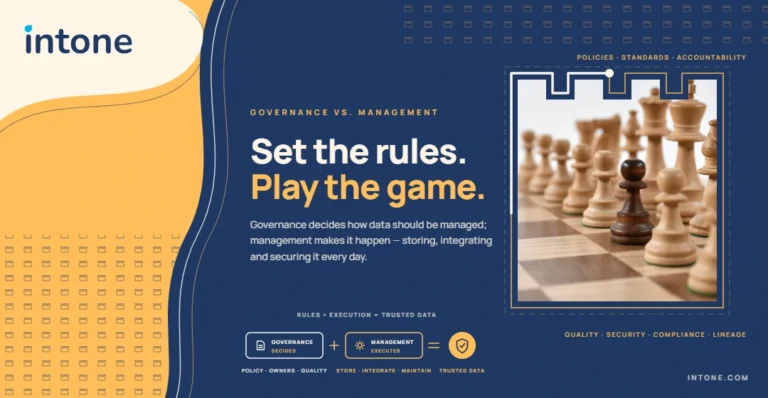
High-value insights depend entirely on pristine underlying records and unified organizational oversight.
Implementing rigorous data governance protocols ensures high information fidelity across all enterprise touchpoints. Organizations must establish clear data ownership, unified taxonomy standards, and automated pipeline validation checks to catch corrupt inputs early.
Furthermore, integrating continuous compliance monitoring tools ensures ongoing adherence to regional and international privacy mandates, including GDPR, HIPAA, and local digital privacy laws. To protect sensitive records against unauthorized access or modification, organizations must implement robust cybersecurity measures, including end-to-end encryption, multi-factor authentication, granular role-based access controls, and comprehensive compliance reporting tools.
5. Build Modular Data Integration Pipelines
A modular architecture allows individual pipeline stages to scale independently without destabilizing adjacent services.
- Implement modern ETL (Extract, Transform, Load) or ELT (Extract, Load, Transform) methodologies to streamline ingestion workflows across heterogeneous environments.
- Deploy robust data integration patterns that accommodate structured, semi-structured, and unstructured formats seamlessly.
6. Optimize System Performance and Resource Efficiency
Ensure your platform maintains maximum processing speed even during peak transactional periods.
- Monitor query performance continuously to expose unindexed tables, inefficient join queries, or memory bottlenecks.
- Implement intelligent caching and indexing strategies to drastically reduce database retrieval times.
- Optimize algorithmic routines to ensure high-throughput processing across parallel computing nodes.
7. Plan for Elastic Growth and Infrastructure Resiliency
Design every layer of your platform with multi-year expansion in mind.
- Build fault-tolerant cloud architectures capable of absorbing sudden processing spikes without service degradation.
- Leverage microservices and containerized environments to enable isolated scaling for high-demand analytical applications.
Best Practices for Long-Term Governance and Execution
Implementing a modern analytics architecture requires a phased, disciplined deployment methodology.
Start with Targeted Pilot Projects
Launching small, high-impact pilot programs allows engineering teams to validate technical designs before enterprise-wide rollout.
- Focus initial efforts on a single business unit or explicit operational use case to identify integration friction early.
- Gather end-user feedback to refine dashboard usability, pipeline throughput, and system responsiveness before expanding scope.
Automate Workflows and Monitoring Routines
Automation eliminates repetitive manual tasks, reduces human error, and ensures continuous operational consistency.
- Automate routine operational tasks, including data cleansing, transformation runs, and daily executive report generation.
- Deploy AI-driven monitoring utilities to detect system anomalies, prevent unexpected downtime, and maintain continuous operational stability.
Continuously Monitor and Refine Framework Performance
Building a scalable platform is an ongoing journey of optimization rather than a one-time project.
- Perform routine system audits to identify emerging resource constraints and decommission unused cloud assets.
- Track evolving technical standards and regulatory requirements to keep your infrastructure resilient, secure, and fully compliant.
- Collect regular feedback from business analysts and operational users to continuously enhance analytical capabilities.
Conclusion: Empowering Future-Ready Enterprise Decisions
Investing in a scalable analytics infrastructure is essential for any enterprise seeking to maintain a competitive edge in today’s data-driven marketplace. As your organization expands, a thoughtfully engineered platform ensures your analytical systems comfortably process rising information volumes, structural complexity, and concurrency demands without sacrificing performance.
By applying proven industry standards—such as aligning technical implementation with overarching operational targets, optimizing pipeline performance, enforcing tight security, and embedding intelligent automation—you position your organization for sustainable long-term success.
Intone delivers advanced data analytics services designed to help enterprises build elastic, secure, and future-proof analytics platforms. Whether you are initiating a new analytics strategy or modernizing an existing infrastructure, our tailored solutions provide the performance and security required to power your organization.
Discover today how our technical expertise can help you establish a resilient foundation that drives faster, smarter, and more strategic business decisions by reviewing our comprehensive guide on how to build a scalable data analytics framework for your business.
FAQ’s
A scalable cloud data analytics framework enables real-time high-throughput processing, drastically reduces query latency, and converts raw operational data into actionable insights, empowering executives to make faster and more strategic business decisions.
Data governance ensures high information fidelity, establishes clear data ownership, and implements continuous compliance monitoring across cloud environments to adhere to strict regulatory standards like GDPR and HIPAA while avoiding security breaches.
Cloud technology allows organizations to replace rigid legacy databases and pipelines with scalable data lakes like Azure Data Lake Storage, multi-tiered object stores, and unified analytics environments like Microsoft Fabric and Azure Synapse Analytics that scale compute and storage independently to reduce operational costs.
Robust cybersecurity measures—including end-to-end encryption, multi-factor authentication, granular role-based access controls, and automated compliance tracking—protect sensitive enterprise data assets from unauthorized access and evolving cyber threats.
Intone delivers advanced data analytics services, governance expertise, continuous compliance monitoring, and cloud architecture modernization to help enterprises establish resilient, elastic, and future-proof analytics platforms.
Are rigid legacy data pipelines and escalating cloud costs slowing down your enterprise analytics?
Intone’s cloud data analytics services empower enterprises to construct elastic, future-ready architectures—integrating automated data governance, continuous compliance monitoring, and seamless multi-cloud pipeline scaling to accelerate real-time decision-making.
Build a scalable, secure, and future-proof cloud analytics framework today.