


Data analytics is crucial in making informed decisions by transforming raw data into actionable insights. From improving customer experience to optimizing operations and guiding strategic decisions, data analytics services have become a necessary tool for business success. Implementing data analytics is not without its challenges. Organizations often face challenges related to data quality, infrastructure, and alignment with business goals. These challenges can slow down the process and reduce the effectiveness of analytics solutions. This blog explains the common challenges businesses face in implementing data analytics and provides practical solutions to overcome them. By addressing these challenges, businesses can ensure a smoother and more efficient big data analytics implementation.
Organizations frequently encounter bottlenecks related to system integration, poor data governance, and legacy infrastructure. Addressing these implementation barriers is vital to building an effective data analytics framework that turns raw inputs into measurable business value.
What Is Data Analytics Implementation?
Data analytics implementation is the process of integrating analytics software, data pipelines, and governance frameworks into an organization’s existing IT infrastructure to turn raw data into actionable business intelligence. It encompasses everything from setting up cloud storage platforms and Extract, Transform, Load (ETL) workflows to training teams on utilizing real-time dashboards for daily decision-making.
Analytics implementation projects typically fail due to misalignment between technical goals and actual commercial KPIs, poor initial data quality, and cultural resistance from teams reluctant to adopt data-driven workflows. Without strong cross-departmental executive support and clear data stewardship roles, organizations often end up with costly, underutilized analytical tools that fail to deliver measurable business value.
The Critical Importance of Risk Management and Internal Control
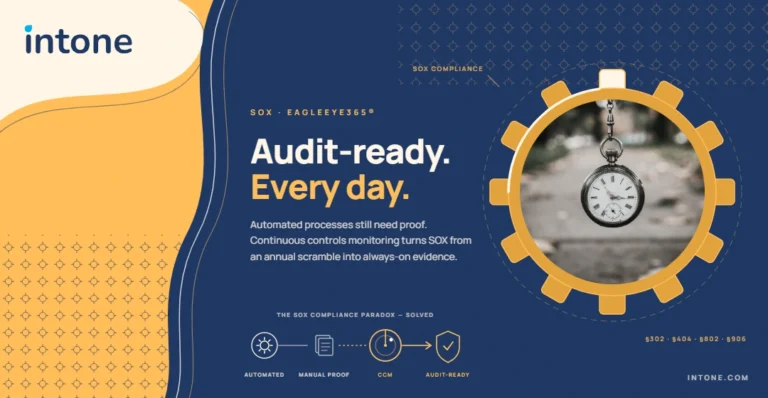
Deploying an enterprise analytics solution without clear governance exposes organizations to severe operational risks. When foundational architectures lack proper internal control mechanisms, businesses suffer key consequences ranging from inaccurate forecasting to major financial stability losses.
Enterprise Risk & Analytics Control Framework:
- Governance Layer (Internal Control & Continuous Audit Tracking): Establishes explicit validation rules and data stewardship roles to ensure that data inputs feeding predictive models remain accurate, compliant, and auditable.
- Data Layer (Data Management Plan Checklist & ETL Pipelines): Standardizes, cleanses, and automates data ingestion across disparate systems to prevent corrupted inputs from skewing strategic business decisions.
- Security Layer (Encryption & Prevention of Security Breaches): Protects sensitive proprietary records and customer data from unauthorized access, ensuring full regulatory compliance and mitigating financial risk.
Without a structured audit trail, corrupted data inputs flow directly into predictive models, skewing tactical decision-making across business functions. Furthermore, inadequate safeguards increase vulnerability to information security breaches, exposing sensitive proprietary records and triggering non-compliance penalties. Managing these security topics through proactive risk assessment protects overall organizational stability.
Key Takeaway: Turn raw data into measurable value.
Overcoming Key Implementation Challenges
Addressing the main obstacles in analytics implementation requires combining modern technology, refined processes, and strategic governance.
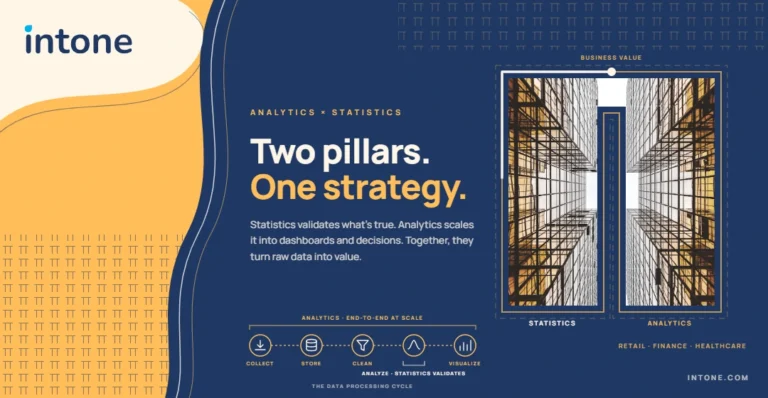
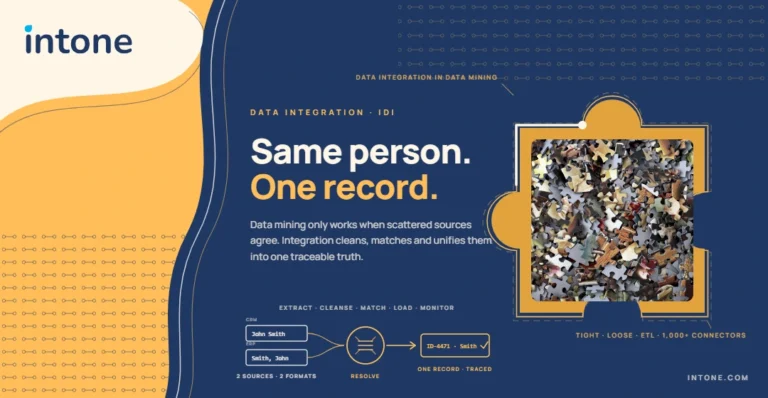
- Data Quality, Data Processing Cycle, and Ingestion: Inconsistent, duplicate, or fragmented data severely reduces model reliability. When datasets are spread across siloed databases, maintaining accuracy across the data processing cycle becomes extremely difficult. Organizations must establish strict data cleaning protocols alongside a clear data management plan checklist. Utilizing modern Extract, Transform, Load (ETL) tools helps pull data from disparate sources, normalizes entries, and loads refined datasets into unified cloud repositories.
- Managing High Volume and Infrastructure Demands: As enterprise data volumes grow rapidly, legacy systems struggle with processing bottlenecks and slow query speeds. Modernizing your architecture requires shifting from rigid, on-premises hardware to flexible, cloud-based data storage. Distributed computing architectures allow enterprises to scale computational resources on demand.
- Strategy Alignment Across Business Functions: Executing an analytics strategy without clear commercial goals wastes resources. Analytics initiatives must directly support measurable key performance indicators (KPIs). Defining explicit operational objectives ensures that analytical insights directly support strategic decision-making across finance, marketing, and operations.
- Overcoming Culture Barriers with Practical Insights: Technical upgrades fail if organizational culture resists data-driven workflows. Leadership must champion change by providing continuous training and sharing practical insights that demonstrate how analytics tools simplify daily workloads and enhance employee productivity.
Enterprise Best Practices & Essential Components
To navigate potential friction during rollout, organizations should align their strategy around key execution standards and structural capabilities.
Key Execution Standards for Analytics Implementation:
- Enforce Governance & Audit Protocols: Establish clean data standards and assign dedicated data stewards.
- Implement Modular, Cloud-Based Storage: Deploy scalable distributed platforms for rapid processing.
- Align Analytics Models Directly with Operational KPIs: Connect model outputs to clear financial and performance goals.
- Build a Culture Centered on Practical Insights: Train cross-functional teams to rely on real-time dashboards.
- Automate Integration & Continuous Monitoring: Maintain real-time tracking to detect data anomalies instantly.
Essential Components of a Modern Analytical Framework:
- Data Governance & Audit Tracking: Establishing strict validation rules, data stewardship roles, and compliance tracking.
- Modular Cloud Infrastructure: Utilizing microservices and scalable cloud storage to accommodate expanding datasets.
- Automated Data Pipelines: Implementing continuous monitoring to catch ingestion errors before they impact downstream analytics.
Sector Case Studies: Effective Data Analytics in Action
Examining real-world case studies across global leaders demonstrates how implementing a structured data analytics framework solves operational bottlenecks and protects financial stability.
| Industry / Company | Analytics Application | Operational Outcome |
| Banking (Fraud Detection) | Predictive models and ML pipelines evaluate millions of payment signals per second. | Identifies anomalous transaction patterns instantly, mitigating credit risk and preventing breaches. |
| Retail (Logistics Analytics) | Continuous processing of POS statistics, weather forecasts, and demand trends. | Optimizes store inventory levels dynamically, reducing stockouts and lowering holding costs. |
| Walmart (Supply Chain) | IoT devices and real-time processing analyze purchasing patterns and localized demand spikes. | Minimizes overstocking, optimizes distribution routes, and yields significant operational savings. |
| Netflix (Personalization) | Predictive ML models analyze viewing histories and streaming habits for hundreds of millions of users. | Maximizes viewer retention, reduces subscriber churn, and ensures contextually relevant content. |
Accelerate Your Analytics Transformation with IntoneSwift
Successfully deploying big data analytics requires modern, highly secure enterprise infrastructure. IntoneSwift delivers the capabilities modern organizations need to overcome data integration barriers and extract actionable intelligence effortlessly.
Intone provides end-to-end analytics platforms and administrative services tailored for highly regulated sectors such as banking, healthcare, and global supply chains:
- Knowledge Graph Architecture: Connect complex enterprise data points using more than 1,000 pre-built connectors.
- In-Memory Performance: Execute complex queries significantly faster with optimized distributed processing.
- Attribute-Level Security: Enforce strict compliance, prevent data breaches, and maintain auditability across every dataset.
- Low-Code Custom Dashboards: Enable non-technical teams to turn raw data streams into actionable decisions across business functions.
FAQ’s
IntoneSwift delivers secure, scalable analytics with high-speed in-memory processing.
Begin by defining clear operational KPIs and auditing your current data infrastructure. Establishing foundational data governance rules and assembling a cross-functional team ensures technical alignment with actual business goals before rolling out core technologies.
Implementation timelines vary based on organizational size and infrastructure complexity, typically ranging from 3 to 9 months for phased rollouts. Using modular cloud architectures and pre-built integration connectors significantly accelerates deployment schedules.
Cloud platforms provide elastic, distributed computing resources that dynamically scale up during peak query periods, preventing the hardware slowdowns and capacity limitations common to legacy on-premises systems.
Comprehensive training bridges the gap between technical output and daily decision-making. Teaching cross-functional teams how to interpret intuitive, real-time dashboards builds trust in the data and encourages a data-driven organizational culture.