

A Comprehensive Guide to Protecting Your Enterprise Across Modern Digital Environment
What Is Cybersecurity?
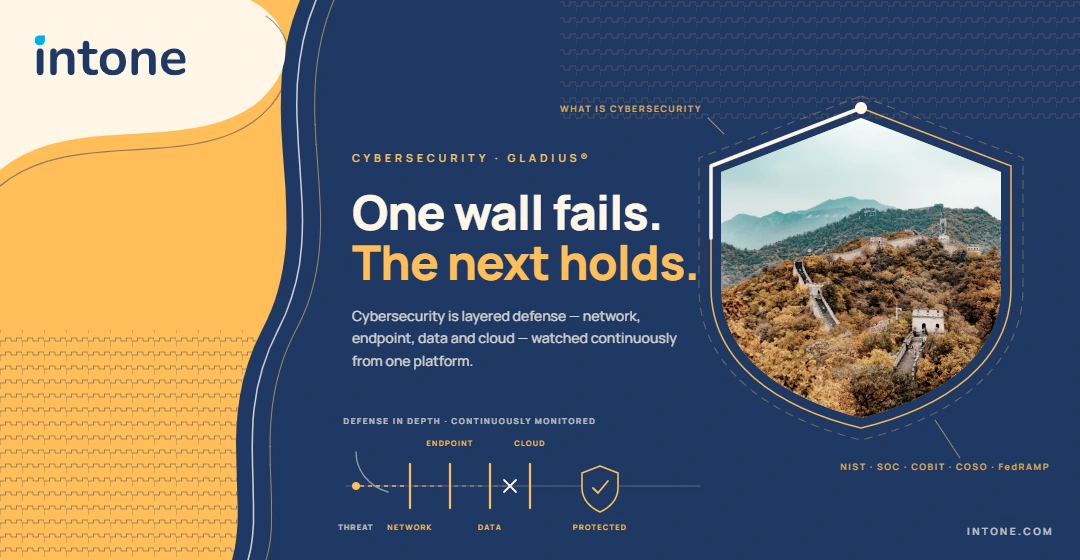
Cybersecurity is the collection of strategies, technologies, and procedures used to protect the confidentiality, integrity, and availability of computer systems, networks, and data against cyberattacks or unauthorized access.
Cyber security is defined as the collection of strategies, technologies, and procedures used to secure the confidentiality, integrity, and availability of computer systems, networks, and data against cyber-attacks or unauthorized access. Understanding this core cybersecurity definition helps modern enterprises defend critical assets, maintain regulatory compliance, and support business continuity across cloud and on-premises environments.
Cyber security is defined as the collection of strategies, technologies, and procedures used to secure the confidentiality, integrity, and availability of computer systems, networks, and data against cyber-attacks or unauthorized access. In today’s interconnected digital landscape, understanding the core cybersecurity definition is essential for every modern enterprise. The primary goal of cyber security is to secure all corporate assets—from customer records to proprietary code—from external and internal threats as well as natural catastrophe interruptions.
As organization reliance on cloud computing, remote work, and Internet of Things (IoT) devices expands, maintaining continuous visibility over your infrastructure is no longer optional. Let us dive in to know more about what cybersecurity does, how it functions, and how modern platforms help you maintain a strong security posture.
What Are the Core Components and Types of Cybersecurity?
The cybersecurity area is divided into numerous components, each of which must be coordinated inside the company to support the effectiveness of an enterprise security program. Understanding the different types of cybersecurity enables security teams to build defense-in-depth frameworks that address every vector of risk.
- Application Security: Securing software and web applications from vulnerabilities during development and post-deployment.
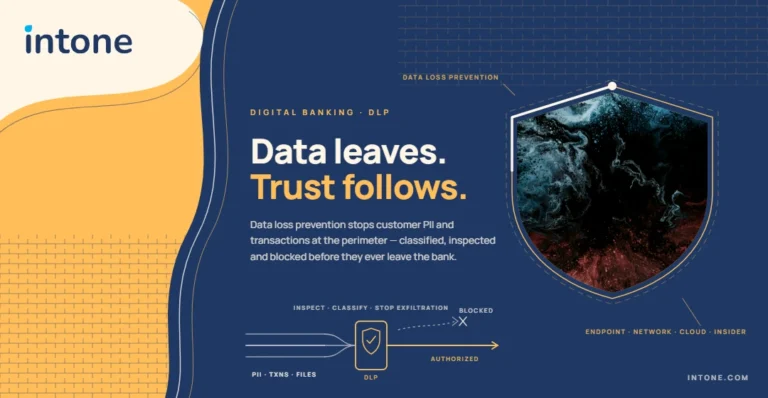
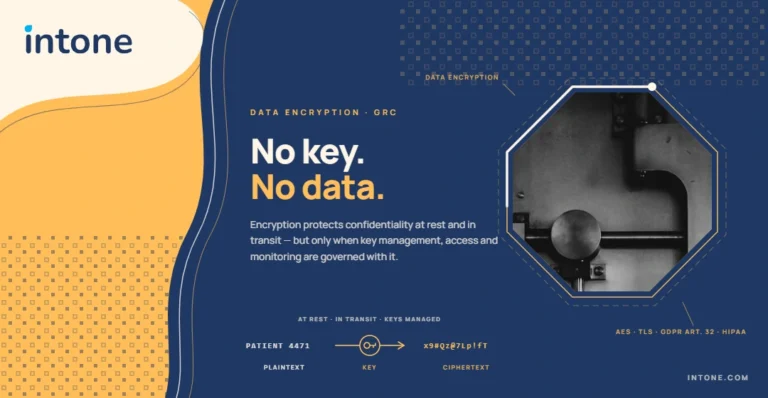
- Information or Data Security: Protecting sensitive data from unauthorized access, alteration, or deletion both at rest and in transit.
- Network Security: Safeguarding network infrastructure and traffic against interception, intrusion, and malicious attacks.
- Disaster Recovery / Business Continuity Planning: Formulating processes to restore information technology security systems and digital assets following a disruption.
- Operational Security: Managing operational risk, user permissions, and access controls for daily data handling.
- Cloud Security: Establishing policies and controls to protect cloud environments, hosted databases, and SaaS platforms.
- Critical Infrastructure Security: Securing vital systems—such as energy grids, traffic management, and healthcare infrastructure—that society relies upon.
For organizations looking to strengthen these capabilities, enterprise cybersecurity monitoring** can provide continuous visibility across infrastructure, cloud environments, identities, and critical systems.**
Understanding the Basics of Information Security and Digital Assets
While terms are often used interchangeably, information security forms the overarching domain that governs how digital assets and physical files are protected. Information technology security specifically targets digital environments, keeping critical databases, intellectual property, and user credentials safe from malicious actors.
Protecting sensitive data requires multi-layered defenses, ensuring that even if one layer fails, unauthorized users cannot access core systems. Organizations can strengthen this approach by combining cybersecurity controls with effective data governance tools** to improve visibility, accountability, and control over enterprise information.**
How Does Cybersecurity Function Across Modern Organizations?
As the volume and complexity of cyberattacks grow, so does the importance of cybersecurity. Cyber security is essential for protecting companies and individuals against modern cyber threats. Data breaches, identity theft, and other forms of cybercrime can be significantly reduced through proactive cybersecurity measures.
To secure their data and consumers, businesses must implement effective, continuous cybersecurity protections. This requires organizations to connect security processes across applications, infrastructure, networks, and data environments. IT systems integration** can help enterprises bring disparate systems together and improve visibility across interconnected technology environments.**
Technological Advancement
The relevance of cybersecurity in technological innovation is that it protects ideas and intellectual property against theft or unauthorized copying. This is significant because it enables businesses to maintain a competitive edge and protect their products and services from rivals.
Furthermore, it aids in protecting new products and services from being easily copied or stolen before they are launched to the market.
Impact on Business Operations
The internet has become a necessity in the majority of businesses throughout the world. The increased use of the internet has resulted in an increase in cyber-attacks, which can have a considerable impact on corporate operations.
Businesses use cybersecurity solutions to protect themselves from threats such as data breaches, phishing schemes, and ransomware. Businesses may use cyber security solutions to secure their data, customers, and reputation.
Case in point: Healthcare organizations must protect digital privacy and security for patients and staff. Cyber security monitoring in healthcare helps organizations strengthen digital safety by monitoring access to networks, systems, and applications and detecting malicious or unauthorized activities. The monitoring can also be used to detect identity theft, data misuse, and other cybersecurity threats.
Identifying Common Cyber Threats, Malware, and Ransomware
To defend your systems effectively, security teams must understand what they are fighting against. Common cyber threats evolve constantly, leveraging sophisticated tactics to bypass traditional defenses.
- Malware: Malicious software engineered to compromise, disrupt, or gain unauthorized access to computer systems.
- Ransomware: A destructive form of malware that encrypts an organization’s sensitive data, demanding payment for the decryption key.
- Phishing: Social engineering attacks designed to trick employees into revealing sensitive credentials.
- Insider Threats: Unauthorized activities conducted by internal users with legitimate access to network security perimeter defenses.
Because threats can emerge from multiple points across an enterprise, organizations need continuous monitoring rather than periodic security assessments. A centralized cybersecurity monitoring** approach can help security teams maintain visibility and identify suspicious activities across critical environments.**
Maintaining Customer and Employee Trust
Customers and workers expect that their information is protected from cyber threats. Businesses must invest in cybersecurity solutions to secure consumer and employee data and maintain this customer trust.
Installing firewalls, encrypting data, setting up endpoint security, and enforcing strong passwords are essential steps. Businesses may demonstrate their commitment to protecting customer and employee information through these actions, which can help create and retain long-term trust.
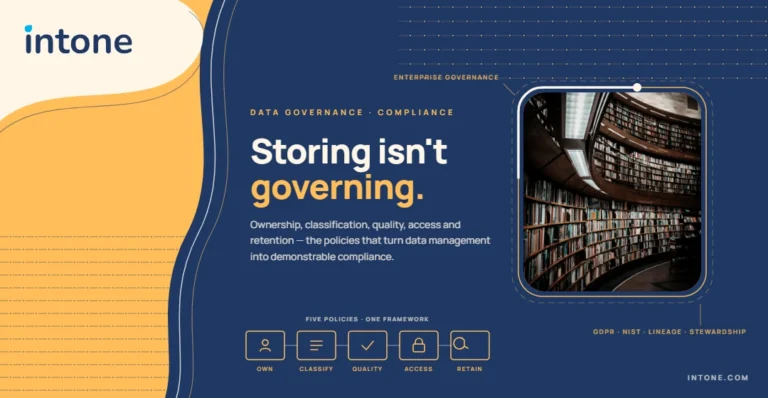
Strong data protection also depends on effective governance. Organizations can strengthen accountability around sensitive information through data governance policies for regulatory compliance.
Securing the Enterprise Financial Position Against Cyberattacks
The importance of cybersecurity in protecting an organization’s financial position cannot be overstated. In today’s linked world, when sensitive data is frequently held digitally, a security compromise can have serious implications.
A single incident might not only result in the loss of critical data, but it can also harm an organization’s reputation and financial bottom line. Severe cyber attacks can lead to a loss of client trust, regulatory fines, greater remediation costs, and a decline in stock value. It can even lead to bankruptcy in rare situations.
For these reasons, an enterprise must take comprehensive precautions to safeguard its infrastructure, investing in modern firewalls, intrusion detection systems, continuous compliance monitoring, and encryption. Organizations can further strengthen their governance and risk posture through GRC Advisory** services that align security, risk, and compliance requirements.**
What Does Cybersecurity Do Day to Day?
- Protects organizations from serious cyber security breaches and systemic operational downtime.
- Allows users and clients to navigate web applications and cloud platforms securely.
- Protects endpoint security systems and user devices from malicious hackers, viruses, and complex malware.
- Processes and inspects incoming and outgoing data traffic across the corporate network.
- Reduces computer freezing, system crashes, and service disruptions caused by malicious background processes.
- Preserves individual privacy across personal and organizational communication channels.
For example, to safeguard a company’s critical data, intellectual property, and operations, it is imperative to incorporate continuous security monitoring in manufacturing. The monitoring process should encompass daily assessments of systems, networks, and applications, along with vulnerability scanning and patching.
Essential Safeguards: Firewalls, Endpoint Security, and Cloud Defenses
Securing a modern environment requires integrating multiple technology defenses into a unified framework:
- Firewalls: Function as the first line of network defense, filtering incoming and outgoing traffic based on pre-established security rules.
- Endpoint Security: Protects individual user devices—such as laptops, mobile phones, and workstations—from serving as entry points for threats.
- Cloud Security Controls: Secures multi-cloud environments (including platforms running Microsoft technologies and custom cloud services) through strict access controls and real-time activity tracking.
As enterprises increasingly adopt cloud technologies, cybersecurity controls must extend beyond traditional network boundaries. Intone’s Microsoft Cloud Business Transformation** capabilities can support organizations as they modernize and secure cloud-based business environments.**
Elevating Security Teams with Training and GRC Advisory Services
Technology alone cannot solve the security equation. People and governance are equally critical:
- Cybersecurity Training: Educates employees on how to spot phishing lures, handle sensitive data, and adhere to security protocols, transforming your workforce into a human firewall.
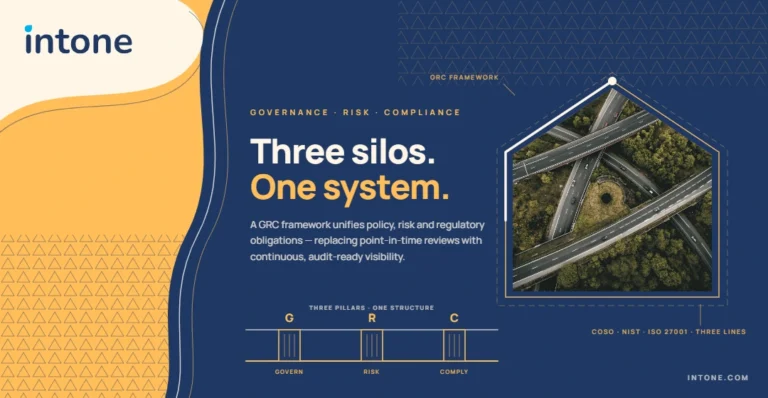
- GRC Advisory & Compliance Monitoring: Helps align governance, risk management, and compliance. Establishing automated compliance monitoring and maintaining constant audit readiness helps your enterprise meet stringent regulatory benchmarks without operational friction.
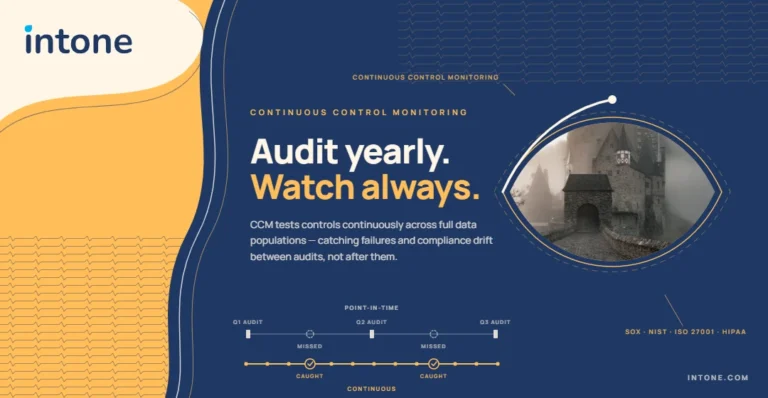
Continuous controls monitoring can further strengthen this approach by helping organizations identify control gaps and maintain ongoing visibility. Intone’s GRC Monitoring Services** are designed to support continuous monitoring across governance, risk, and compliance activities.**
Why Modern Technology and Specialized Talent Are Critical
Navigating today’s threat environment demands cutting-edge technology combined with skilled talent. As threats become more sophisticated, security operations require automated monitoring to support analysts, cut through noise, and respond to threats in real time.
Organizations must bridge the talent gap by empowering their security personnel with centralized platforms that simplify complex oversight. Modern AI enablement** can also help enterprises incorporate intelligent technologies into business and security operations while maintaining appropriate governance.**
Why IntoneGladius® for Enterprise Security and Compliance?
The importance of cybersecurity cannot be overstated. It would be nearly impossible to preserve and keep data secret without suitable or reliable cybersecurity solutions. To read our complete guide on this subject, visit our article on how cybersecurity functions to protect enterprise assets.
Hence, Intone Gladius® integrates all your security tools into a single real-time platform for continuous control monitoring, with no manual aggregation required. With Gladius, you can design and customize your monitoring of IT security metrics and performance analytics for faster, more effective responses to cybersecurity threats.
Gladius allows you to customize controls and alerts in ways that standard tools cannot match. Organizations can explore IntoneGladius® cybersecurity monitoring** to understand how centralized security, risk, and compliance capabilities can support enterprise environments.**
Key Benefits of IntoneGladius®:
- Custom Security Controls: Equips your enterprise to custom-craft controls aligned directly with your business logic.
- Unified Real-Time Monitoring: Monitors endpoints, databases, servers, networks, and data security from a single, centralized platform.
- Accelerated Audit Readiness: Reduces overhead by supporting regulatory compliance faster and with less manual effort.
- Centralized Compliance Framework: Harmonizes requirements across SOC, NIST, IASME, COBIT, COSO, TC CYBER, CISQ, FedRAMP, FISMA, and SCAP to reduce compliance redundancies.
Key Takeaways
- Cybersecurity protects systems, networks, applications, and information against unauthorized access, cyberattacks, and other digital threats.
- Common threats include malware, ransomware, phishing, and insider threats, requiring continuous monitoring and layered defenses.
- Protective technologies such as firewalls, endpoint security, encryption, and cloud security controls help strengthen an organization’s security framework.
- Cybersecurity training, governance, and compliance monitoring are essential complements to technology-based defenses.
- A strong cybersecurity strategy can reduce security risks, support business continuity, protect customer trust, and strengthen regulatory readiness.
FAQ’s
Cybersecurity is the collection of strategies, technologies, and procedures used to protect systems, networks, and data from cyberattacks and unauthorized access.
Key types include application security, information security, network security, operational security, cloud security, and critical infrastructure security.
Firewalls protect the network boundary by filtering data traffic, while endpoint security safeguards individual user devices from malware and unauthorized access.
Continuous compliance monitoring helps organizations maintain visibility into security controls over time, simplifying audit readiness and reducing exposure to regulatory fines.
Intone Gladius® consolidates security tools into a single platform, enabling real-time control monitoring, automated analytics, and simplified compliance across frameworks.
Ready to Build a Strong Enterprise Defense Strategy?
If your organization is looking to streamline threat monitoring, maintain audit readiness, and implement continuous compliance controls, it is time to upgrade your security architecture.
Discover how Intone Gladius® helps enterprises establish continuous control monitoring, reduce compliance friction, and respond to emerging threats faster. Contact Intone today to schedule a personalized demo and see unified cybersecurity in action.