

The Sarbanes-Oxley Act of 2002 (SOX) was enacted to protect investors by ensuring accurate and transparent financial reporting. In the context of mergers and acquisitions (M&A), SOX compliance services become even more critical, as companies undergo significant structural and financial changes that must meet stringent regulatory standards. Mergers and acquisitions introduce significant complexities, affecting financial integrity, governance, and compliance with SOX requirements. Navigating these transitions smoothly requires establishing standardized internal controls, maintaining compliance across all acquiring and target entities, and mitigating broader enterprise risks before they compromise reporting accuracy.
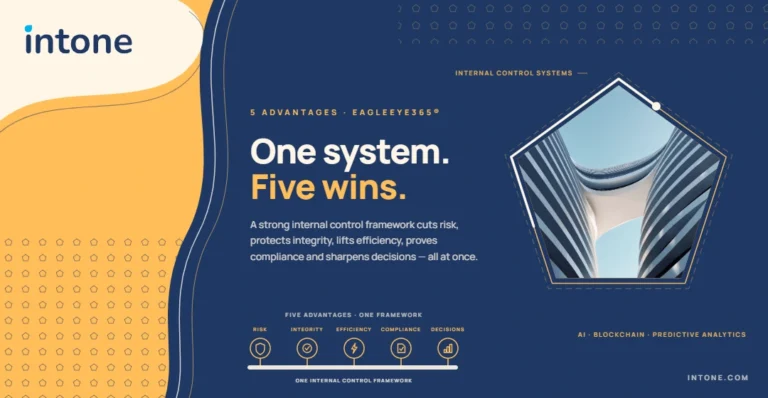
Simplify M&A SOX compliance with EagleEye365®.
Understanding SOX Compliance and Integration in Mergers and Acquisitions
SOX compliance mandates that publicly traded companies adhere to specific internal control measures, ensuring financial statements are accurate and free of manipulation or fraud. The need for compliance is heightened in mergers and acquisitions due to the integration of different business models, systems, and financial reporting processes.
Non-compliance with SOX during M&A can lead to substantial fines, diminished investor confidence, and potential legal ramifications. Integrating compliance early in the M&A process ensures that both the acquiring and target companies align with SOX standards. Key SOX compliance considerations during M&A include:
- Internal Control Over Financial Reporting (ICFR): Mergers bring new risks that may compromise internal controls. Companies must assess both entities’ ICFR frameworks to handle consolidated financial reporting needs.
- Auditing and Documentation: SOX mandates thorough and transparent documentation. Maintaining accurate records is critical to avoiding issues during the transition.
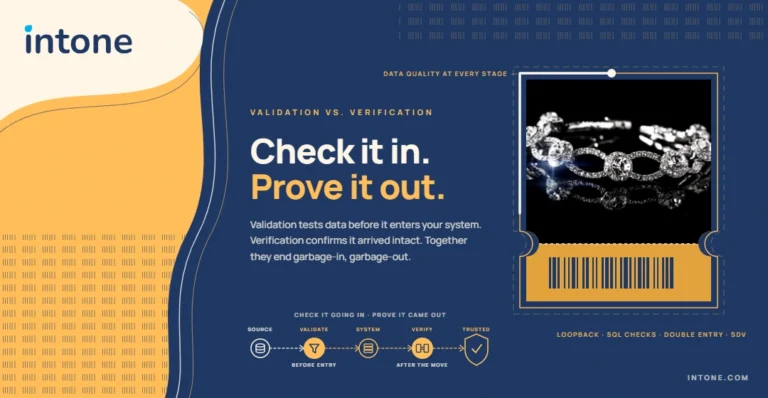
- Integration of Financial Systems: Connecting financial software across merging entities must be handled cleanly to avoid data gaps that violate SOX standards.
- Governance and Leadership Accountability: Executives (particularly the CEO and CFO) must certify control effectiveness and ensure financial reporting accuracy.
- Risk Management and Fraud Prevention: Pre- and post-merger risk assessments prevent financial discrepancies, asset overvaluation, and fraud.
Key Considerations for Controls Across Business Units and Optimizing Auditor Reliance
To maintain regulatory integrity during acquisitions, enterprise leadership must focus on standardizing internal control frameworks across all newly integrated divisions while structuring documentation to support external audit procedures.
Establishing Consistent Controls Across Business Units
When two organizations merge, they rarely operate on identical financial, operational, or IT frameworks. Combining distinct operating structures introduces variance in how transactions are logged, approved, and reconciled.
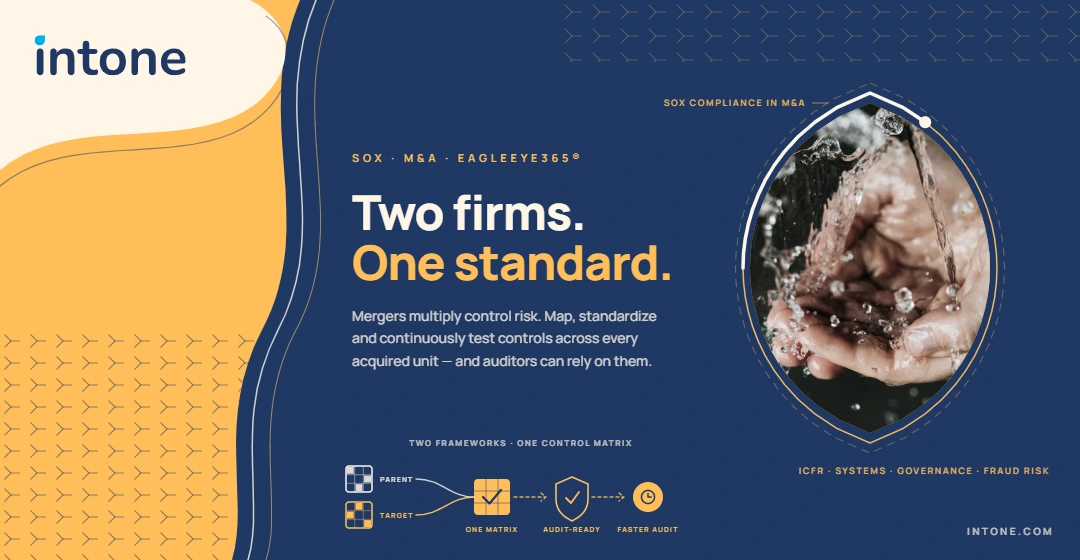
Establishing uniform controls across business units is essential to prevent data silos and ensure that every business segment operates under a single, compliant control matrix.
A dedicated compliance program manager should lead this integration, bridging communication between finance, IT, and legal teams to harmonize policy implementation across business units.
Key steps to standardizing controls across newly acquired business units include:
- Mapping Control Matrices: Cross-referencing the target company’s existing controls against the parent organization’s framework to identify redundant or missing key controls.
- Standardizing Documentation Protocols: Establishing unified standards for supporting documentation, approval hierarchies, and journal entry reviews across every acquired unit.
- Harmonizing Enterprise Risks: Identifying how operational, financial, and compliance exposures differ across newly acquired units and updating the enterprise risk management (ERM) framework accordingly.
Enhancing Auditor Reliance to Streamline M&A Audits
During M&A integration, external auditors face heightened scrutiny from regulatory authorities. Consequently, they test internal controls more aggressively. Establishing high-quality testing documentation, clear control mapping, and robust internal audit oversight maximizes auditor reliance.
When external auditors can place greater reliance on the work performed by internal audit teams and automated control testing tools, the organization reduces audit fees, shortens testing timelines, and minimizes disruption to daily finance operations.
Key strategies to strengthen auditor reliance during M&A include:
- Early Engagement: Involving external auditors during the due diligence and pre-closing phases to agree on control testing methodologies for the merged entity.
- Standardized Testing Documentation: Providing clean, clear, and standardized audit workpapers that allow external teams to validate internal testing results efficiently.
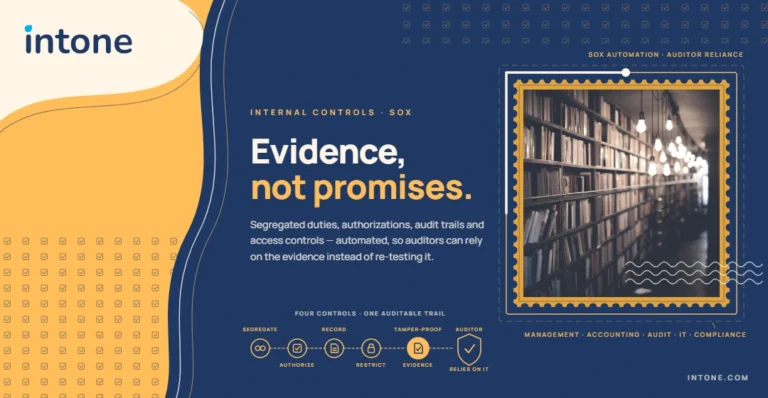
- Automated Control Verification: Utilizing automated compliance management solutions to continuously record control execution, reducing manual sampling requirements.
How EagleEye365® Simplifies SOX Compliance in M&A
Ensuring SOX compliance during M&A transactions presents unique challenges. Integrating corporate cultures, financial systems, and management practices can complicate the implementation of consistent controls across the merged entity. The complexity of the deal itself may lead to oversight or miscommunication regarding compliance requirements. SOX mandates companies to adhere to strict deadlines for financial reporting, and any delays in integrating systems or controls could result in missed deadlines, which carry significant penalties.
Intone’s EagleEye365® (EE365®) addresses these challenges by conducting continuous assessments to pinpoint compliance gaps during the M&A process. It develops clear remediation plans to address deficiencies and ensures seamless implementation of necessary changes to internal controls and processes. EE365® also provides detailed reporting and actionable insights, enabling sustained compliance and continuous improvement post-merger. By partnering with Intone, you can streamline the SOX compliance process and avoid delays or enterprise risks associated with the M&A transition.
SOX compliance plays a crucial role in mergers and acquisitions, ensuring financial transparency and protecting investor interests. Companies must take a proactive approach to SOX requirements, starting with thorough pre-transaction audits, strategic system integrations, standardized governance, and ongoing post-merger monitoring. By proactively addressing these considerations, companies can navigate SOX compliance complexities and complete mergers or acquisitions while maintaining complete regulatory integrity.
Struggling with post-merger SOX risk?
EagleEye365® automates control testing across merged business units for seamless SOX audits.
Know more about: SOX Compliance Services.
FAQ’s
M&A transactions merge different business models, software, and accounting processes, creating significant financial and operational shifts. Maintaining strict Sarbanes-Oxley Act (SOX) compliance during these transitions protects investor confidence, ensures reporting transparency, and prevents severe legal penalties or financial misstatements.
Organizations must evaluate Internal Control Over Financial Reporting (ICFR) across both entities, preserve accurate documentation, integrate financial systems without data loss, maintain executive certification requirements, and perform pre- and post-merger risk assessments to prevent fraud.
Compliance leaders standardize controls by mapping the acquired entity’s control matrix against the parent company’s framework to find missing or redundant controls, creating unified documentation and approval standards across all units, and updating the overall risk management strategy.
Businesses can lower audit fees and shorten review timelines by involving external auditors during pre-closing due diligence, delivering standardized audit workpapers, and using automated software to continuously track and verify control execution.
EagleEye365® continuously scans for compliance gaps during transitions, creates clear remediation plans for deficiencies, and automates control testing across merged business units to prevent missed financial deadlines and simplify audit reporting.