


Banks face unique hazards due to their central role in economic stability. Implementing effective risk management in banking is essential for long-term operational resilience, regulatory compliance, and customer trust. By identifying and mitigating exposure early, financial institutions protect their balance sheets while maintaining organizational integrity.
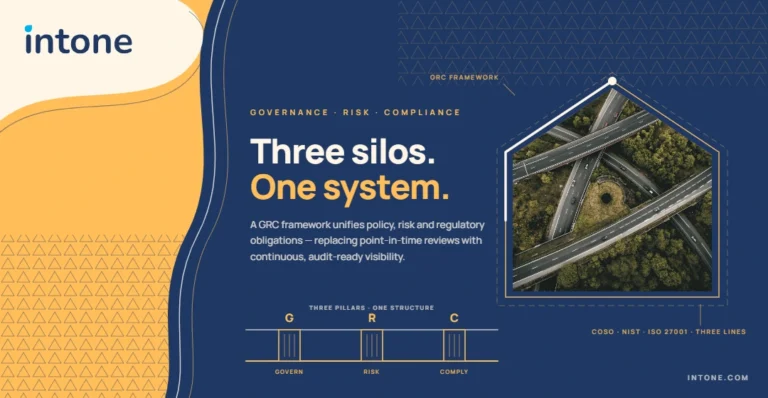
A Banking Risk Framework is a structured, enterprise-wide system of policies, processes, tools, and governance controls designed to identify, measure, monitor, and control risks across an institution’s operations.
It provides banks with a standardized approach to manage uncertainty. By establishing clear protocols for risk identification, assessment, mitigation, and ongoing monitoring, a robust framework ensures that risk-taking aligns with the bank’s overall risk appetite while protecting capital reserves and satisfying regulatory mandates.
What is a Banking Risk Framework and How It Works
A Banking Risk Framework serves as the structural backbone of an institution’s financial safety. It establishes a centralized mechanism for managing potential threats across all operational and financial levels.
The framework systematically supports four core risk management functions:
- Risk Identification: Proactively pinpoints vulnerabilities, operational bottlenecks, market exposures, and emerging compliance threats before they manifest as losses.
- Risk Assessment: Evaluates the probability and impact of identified risks using qualitative metrics and quantitative models (such as stress testing and Value-at-Risk).
- Risk Mitigation: Implements safeguards, limits, internal controls, hedging strategies, and contingency plans to keep risk levels within acceptable parameters.
- Risk Monitoring & Reporting: Uses continuous oversight and real-time reporting dashboards to ensure risk profiles remain transparent to executives, board members, and regulatory bodies.
Essential Components of Banking Risk Management Frameworks
A comprehensive framework requires several essential structural components to protect assets, establish accountability, and ensure regulatory compliance:
- Risk Identification: Mechanisms to detect current and emerging exposures across all business lines, financial products, and third-party vendor operations.
- Risk Assessment & Measurement: Standardized scoring methodologies, models, and analytical tools to measure potential financial and operational impacts.
- Internal Controls & Policy Framework: Policies, delegation of authority matrices, dual-authorization protocols, and operational workflows designed to prevent unauthorized or excessively risky activities.
- Continuous Risk Monitoring: Real-time dashboards and key risk indicators (KRIs) that track exposures against pre-set threshold limits.
- Governance & Reporting: Clear escalation paths, audit trails, and periodic reporting mechanisms to inform the board of directors and executive oversight committees.
Core Framework Objectives
| Objective | Primary Strategic Focus |
| Financial Stability & Capital Protection | Prevents unexpected financial losses to maintain liquidity during market shifts. |
| Regulatory Compliance & Governance | Adheres to evolving global regulations, avoiding legal penalties and sanctions. |
| Reputation Management & Trust | Shields brand value by maintaining strict operational safeguards and control monitoring. |
| Customer Protection & Fraud Defense | Protects depositor assets against cybersecurity threats, identity theft, and fraud. |
Key Takeaway: Protect capital with real-time risk intelligence.
Major Risk Categories in Banking
Understanding how various risk types manifest helps institutions manage primary exposures effectively.
| Risk Category | Key Focus & Mitigation Strategy | Real-World Scenario |
| Credit Risk | Evaluates borrower creditworthiness using predictive scoring models to prevent default risks. | A corporate borrower experiences revenue failure and defaults on a $50M syndicated loan; predictive scoring triggers early restructuring or collateral liquidation. |
| Market Risk | Mitigates loss exposure from volatile interest rates, foreign exchange, and commodity prices using hedging strategies. | A sudden shift in central bank interest rates devalues fixed-income bond holdings; interest rate swaps are used to offset portfolio losses. |
| Operational Risk | Monitors internal control gaps, human error, software glitches, and system failures. | A core banking software update fails during peak hours, freezing wire transfers; automated failovers and internal control checks restore balance integrity. |
| Liquidity Risk | Utilizes stress testing and cash flow forecasting to satisfy short-term financial obligations. | A high volume of unexpected commercial deposit withdrawals occurs; cash flow forecasting triggers emergency liquidity access to meet commitments without selling long-term assets at a loss. |
Key Consequences of Weak Internal Controls and Security Breaches
Weak internal controls expose banks to cascading vulnerabilities across operational, regulatory, and financial dimensions:
- Operational Amplification: Poor control protocols allow routine human errors, unauthorized transactions, or system glitches to pass uncorrected, leading to major operational disruptions.
- Regulatory & Financial Penalties: Inadequate oversight directly leads to non-compliance with anti-money laundering (AML), Know Your Customer (KYC), and capital adequacy rules, resulting in severe regulatory fines and legal sanctions.
- Security & Fraud Vulnerabilities: Weak access controls and unmonitored system logs enable internal fraud, data theft, and external cyberattacks, leading to direct asset loss, legal liabilities, operational downtime, and severe damage to market credibility.
Failing to maintain continuous oversight introduces critical vulnerabilities. Information security breaches, non-compliance, and operational breakdowns lead to severe key consequences, including heavy regulatory fines, operational downtime, and lasting damage to market credibility.
Data Analytics Framework and Data Processing Cycle
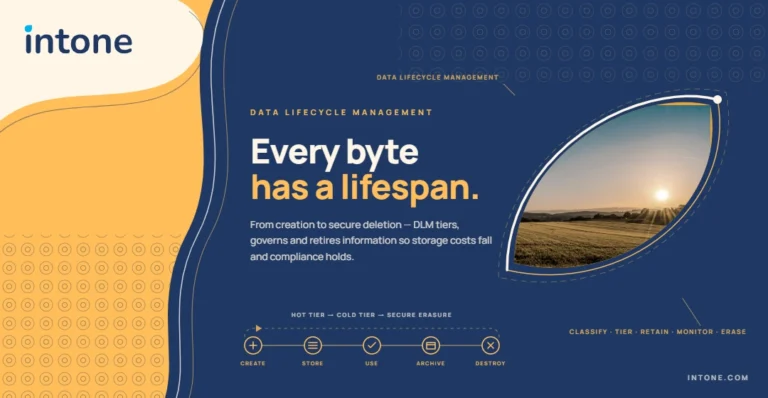
Deploying an effective data analytics framework transforms traditional auditing into real-time monitoring. By optimizing every phase of the data processing cycle, banks analyze historical patterns, run scenario simulations, and detect fraud proactively.
Data analytics specifically enhances banking operations through:
- Automated Risk Detection: Aggregating transactional data across channels to flag anomalous behavior, high-risk patterns, or unauthorized access attempts as they happen.
- Fraud Monitoring: Leveraging machine learning algorithms to evaluate behavioral baselines, immediately intercepting fraudulent wire transfers, payment anomalies, and unauthorized account access.
- Compliance Reporting: Automating data consolidation to generate accurate regulatory filings (such as Suspicious Activity Reports and capital balance updates) without manual data entry.
A structured data management plan checklist enables organizations to maintain continuous oversight across business units. Real-world case studies—including major global institutions updating anti-money laundering controls—demonstrate how automated data analytics prevents operational failures and strengthens risk mitigation. Leveraging effective data insights ensures financial institutions remain resilient against emerging market threats.
Real-World Example: Automated Fraud & Compliance Monitoring
A global commercial bank integrated automated monitoring into its high-value wire transfer system. When an enterprise customer’s credential attempted an out-of-character offshore wire, the analytics engine flagged the transaction within milliseconds due to geo-ip mismatches and abnormal routing parameters. The system automatically placed a temporary hold, alerted internal compliance teams, and generated a pre-filled Suspicious Activity Report (SAR), preventing a multi-million-dollar fraud scheme while fulfilling regulatory reporting obligations.
Regulatory Compliance Requirements & Continuous Monitoring Best Practices
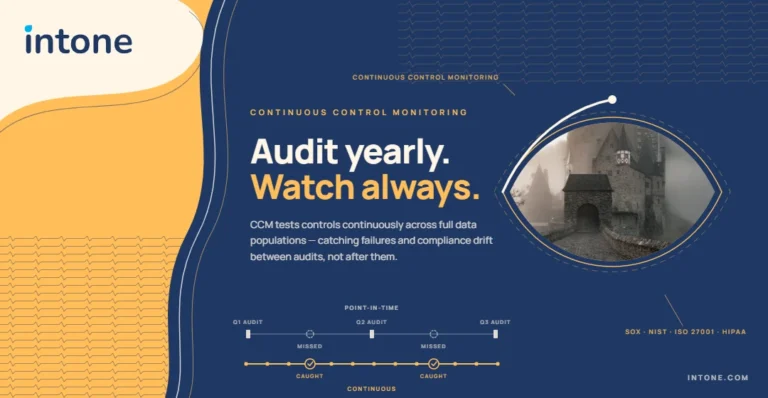
To comply with frameworks like Basel III/IV, Dodd-Frank, GDPR, and local banking authority directives, financial institutions must shift from periodic, point-in-time reviews to continuous monitoring architectures.
Continuous Monitoring Best Practices
- Automate Control Testing: Transition from quarterly manual audits to automated scripts that verify control efficacy daily.
- Centralize Data Pipelines: Unify disparate core banking, CRM, and transaction ledger data into a single compliance platform to eliminate visibility silos.
- Establish Dynamic Thresholds: Replace static flags with adaptive risk indicators that adjust based on market volatility and transaction volume.
- Maintain Immutable Audit Trails: Log all system changes, policy exceptions, and approval workflows in secure, time-stamped ledgers for external regulatory reviews.
Transitioning to Automated Risk Intelligence
As financial products increase in complexity and transaction speeds accelerate, traditional manual auditing and periodic compliance reviews are no longer sufficient to safeguard balance sheets. Modern banking environments require continuous visibility, automated control testing, and rapid incident resolution to stay ahead of volatile markets and shifting regulatory requirements.
To bridge the gap between static risk frameworks and real-time execution, leading financial institutions are adopting enterprise automated risk monitoring platforms.
Strengthen Financial Governance with Intone EagleEye365®
Modern auditing demands real-time intelligence. Intone’s EagleEye365® delivers an enterprise-grade platform designed to streamline continuous risk assessment, audit workflows, and regulatory compliance.
Key Platform Features
- Unified Risk & Compliance Platform: Combines security management, risk tracking, continuous control monitoring, and compliance into one interface.
- Extensive Data Integration: Connects seamlessly with over 240 industry-standard data sources and systems.
- Low-Code Automation: Accelerates incident resolution and continuous auditing with intuitive drag-and-drop features.
- Advanced Data Security: Safeguards sensitive financial information with SSL, AES 256-bit encryption, and zero-trust security architecture.
FAQ’s
EagleEye365® provides real-time continuous risk assessment, automated control testing, and continuous auditing to detect operational gaps before they lead to failures.
Credit risk focuses on financial loss resulting from a borrower’s failure to repay a loan or meet contractual obligations. Operational risk stems from internal failures, including inadequate processes, human error, system crashes, fraud, or external events.
Periodic audits leave long visibility gaps where control failures or fraud can go unnoticed for months. Continuous monitoring tracks controls and transaction flows in real time, enabling immediate intervention and automated reporting.
Automated platforms aggregate cross-system data, monitor transactions against evolving regulatory rules (such as Basel III or AML regulations), and maintain automated, time-stamped audit trails for reporting.
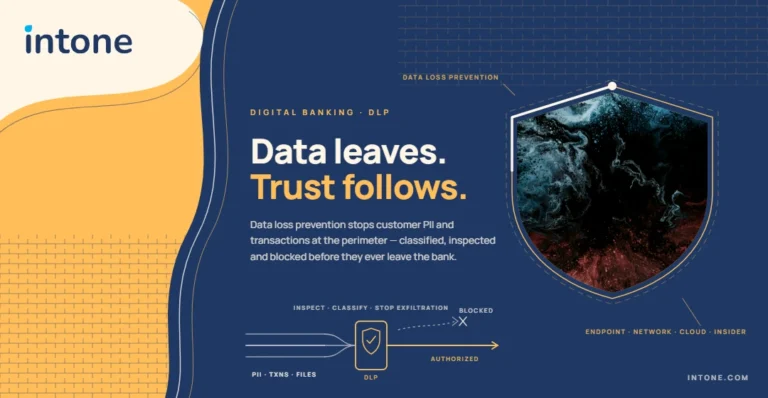
Data security protects sensitive customer financial data and core operational systems from unauthorized access, cyber threats, and breaches, ensuring compliance with data protection laws and preserving customer trust.