


Why auditor trust, data quality, and standardized controls across business units matter in modern financial services?
Big data analytics in the banking industry transforms vast volumes of transactional and digital banking data into actionable business intelligence. By enhancing customer personalization, enabling real-time fraud detection, ensuring high data quality, and standardizing controls across business units, financial institutions achieve operational resilience and strong auditor reliance while navigating modern financial regulations.
The banking industry has always been data-driven, processing millions of transactions every day. With the continued growth of digital banking, financial institutions now have access to increasingly large volumes of transaction, customer, market, and operational information. The impact of big data analytics in banking is therefore becoming increasingly important as banks seek to turn this information into actionable intelligence. While traditional data analytics has long supported the Banking, Financial Services, and Insurance sector, big data analytics has expanded the ability of banks to understand customers, optimize products and services, identify risks, and support strategic decisions.
Improved Customer Insights Through Big Data Analytics
Big data analytics enables banks to understand customer behavior by analyzing information collected across multiple channels. Transaction histories, account activity, digital interactions, product usage, and other information can help financial institutions identify customer preferences and changing needs.
The benefits of data analytics become particularly valuable when banks can combine information from different systems and transform it into practical insights. Instead of relying solely on historical reports, financial institutions can use analytics and predictive models to anticipate customer requirements and develop more relevant products and services.
Key Benefits
- Personalized Services: Banks can provide recommendations based on transaction history, spending patterns, financial behavior, and customer preferences.
- Predictive Analytics: Advanced models can help financial institutions anticipate potential customer needs, including loan requirements and investment preferences.
- Improved Customer Engagement: Analyzing interactions across digital channels can help banks develop more relevant communication and services.
- Better Business Decisions: Reliable information gives decision-makers a stronger foundation for evaluating products, services, and customer strategies.
Big Data Analytics for Fraud Detection and Security
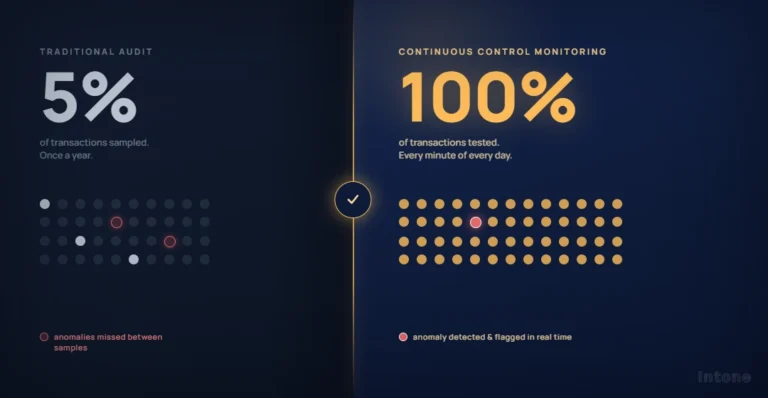
Fraud continues to be a major concern for the banking industry. As financial services increasingly move toward digital channels, fraudsters can use sophisticated methods to target accounts, transactions, and customers. Big data analytics helps banks identify unusual patterns by analyzing transactions across accounts, channels, and historical activity.
Artificial intelligence and machine learning can strengthen these capabilities by recognizing patterns that may be difficult to identify through conventional methods. Real-time analytics can flag suspicious transactions and enable financial institutions to investigate potentially fraudulent activity more quickly.
Key Benefits
- Pattern Recognition: Analytics can identify irregular transaction behavior across multiple accounts and channels.
- Real-Time Monitoring: Banks can monitor transactions as they occur and flag suspicious activities for further investigation.
- Risk Assessment: Combining information from multiple sources can help identify potentially high-risk accounts and activities.
- Stronger Security: Advanced analytics can contribute to protecting customers and financial institutions from emerging security topics.
These capabilities make big data analytics an important part of modern banking security and fraud prevention strategies.
Advanced Market Trading Analysis
Financial markets generate enormous amounts of information that can change rapidly. Banks and financial institutions need to process this information quickly to understand market conditions and respond appropriately.
Big data analytics allows banks to combine market information, historical trends, economic indicators, transaction information, and other relevant sources. Advanced intelligence can then help financial professionals identify patterns and evaluate potential market movements.
Key Benefits
- Faster Trading Analysis: Real-time processing helps financial institutions evaluate market information more quickly.
- Comprehensive Market View: Combining information from multiple sources can provide a broader understanding of market conditions.
- Data-Driven Strategies: Analytics can support decisions that align trading activities with broader business goals.
- Predictive Capabilities: Predictive analytics can help identify potential trends and scenarios that may influence financial markets.
By using analytics effectively, financial institutions can improve their ability to navigate complex financial environments and respond to changing market conditions.
Risk Management and Business Decision-Making
Risk management is one of the most important applications of big data analytics in banking. Banks must continuously evaluate credit, operational, market, fraud, and compliance risks. Traditional approaches may not always provide the speed and visibility required to respond to rapidly changing conditions.
Big data analytics allows banks to analyze information from multiple sources and identify potential risk indicators. Predictive analytics can help financial institutions identify patterns that may indicate emerging risks, while real-time monitoring can support faster responses.
Analytics can also improve a business decision by providing decision-makers with a broader view of relevant information. Instead of evaluating isolated datasets, teams can use integrated information to understand relationships between customers, transactions, operations, and risk factors.
Data Quality and Reliable Banking Analytics
The effectiveness of any analytics program depends heavily on the quality of the underlying information. Poor data quality can produce inaccurate reports, misleading insights, and ineffective decisions.
Banks therefore need processes that validate, cleanse, integrate, and monitor information throughout its lifecycle. Maintaining consistent information across systems helps financial institutions build greater confidence in analytical results.
Data quality is especially important when banks use artificial intelligence and predictive analytics. Advanced models depend on reliable information to produce meaningful outputs. When data is incomplete, inconsistent, or outdated, analytical results may not accurately represent business conditions.
For this reason, improving data quality should be treated as an ongoing responsibility rather than a one-time activity.
Controls Across Business Units
Large financial institutions often operate through multiple departments, systems, branches, and business units. Each unit may generate and manage different types of information, creating challenges around consistency, visibility, and control.
Big data analytics can help establish greater visibility into controls across business units by bringing information together and identifying inconsistencies or unusual patterns.
A centralized analytical approach can help management teams compare performance, monitor risks, and identify areas requiring attention. This can also support governance and compliance activities by giving organizations a clearer view of how controls are functioning across different parts of the enterprise.
Auditor Reliance and Regulatory Compliance
As banking organizations become increasingly data-driven, the availability of reliable information can also influence auditor reliance. Auditors require accurate and traceable information when evaluating controls, transactions, processes, and financial activities.
High-quality data combined with effective monitoring can make it easier to demonstrate how information is collected, processed, controlled, and reported. This can support internal audit activities and help financial institutions respond to regulatory requirements.
Big data analytics can also contribute to compliance monitoring by identifying unusual activities, tracking key indicators, and providing evidence for review. Strong information management practices therefore support both business operations and regulatory responsibilities.
Big Data Analytics and the Future of Banking
The continued development of artificial intelligence, machine learning, cloud technologies, automation, and advanced analytics is likely to expand the role of big data analytics across financial services.
Banks can increasingly use intelligent systems to move from descriptive reporting toward predictive and prescriptive approaches. This means organizations can not only understand what happened but also identify what may happen next and evaluate potential responses.
The future of banking will depend on how effectively financial institutions combine technology, data, intelligence, and business strategy. Organizations that establish reliable information foundations can use advanced analytics to generate practical insights and improve customer experiences, risk management, security, and business performance.
Why Big Data Analytics Is Essential for Banks
Big data analytics is no longer simply a technology initiative. It has become an important component of how modern banks operate, compete, and serve their customers.
The ability to analyze information from different sources allows financial institutions to develop a more complete understanding of their operations. This can support customer personalization, fraud detection, risk management, market analysis, compliance, and strategic planning.
However, successful analytics requires more than analytical technology. Banks also need reliable data, effective governance, appropriate security controls, strong integration, and skilled employees who can interpret analytical results.
Conclusion
The impact of big data analytics in the banking sector has been significant, transforming how financial institutions use information to support customers, manage risks, identify fraud, and make business decisions.
From improved customer insights and predictive analytics to market analysis, data quality, risk management, security, and compliance, big data analytics provides banks with capabilities that were difficult to achieve through traditional approaches.
As the banking industry continues to evolve, financial institutions that combine high-quality data with artificial intelligence, analytics, and modern technology can gain practical insights and respond more effectively to changing customer and market expectations.
At Intone, we provide innovative expertise and capabilities needed to support the future of banking. Whether we are helping transform and modernize core banking operations, enable digital banking experiences, improve payment and credit processes, or provide data monitoring, analytics, quality assessment, compliance, and assurance reporting, our banking consulting capabilities help clients use data-driven intelligence and the right tools to succeed in today’s financial landscape.
Contact us to learn more about how we can help you!
FAQ’s
Big data analytics helps banks analyze large volumes of customer, transaction, market, and operational information. It supports customer personalization, fraud detection, risk management, market analysis, compliance, and better business decisions.
The key benefits of data analytics include improved customer insights, better fraud detection, predictive analytics, improved risk assessment, stronger data quality, faster decision-making, and more personalized financial services.
Big data analytics can identify unusual transaction patterns, suspicious account activity, and behavioral anomalies. When combined with artificial intelligence and machine learning, analytics can help financial institutions detect potential fraud more quickly and strengthen security.
Data quality is essential because analytical models and reports depend on accurate, complete, and consistent information. Poor-quality data can produce unreliable insights and lead to incorrect business decisions. Maintaining high-quality data helps banks improve the reliability of analytics and predictive models.
Big data analytics allows financial institutions to combine information from multiple sources to identify potential credit, operational, market, and fraud risks. Predictive analytics can help identify emerging risk patterns, while real-time monitoring can support faster responses and stronger controls across business units.