



Internal control is a vital aspect of any audit process. It refers to the measures put in place by an organization to ensure operations align with business objectives, policies, and procedures. Conducting a comprehensive risk assessment, maintaining financial stability, and implementing robust control activities are essential components for protecting assets, ensuring accurate financial reporting, and complying with industry regulations.
Understanding Stages and Core Types of Internal Control
In an audit, the auditor evaluates the design and operational effectiveness of controls to ensure financial statements remain reliable. Understanding stages of control implementation allows organizations to manage exposure systematically:
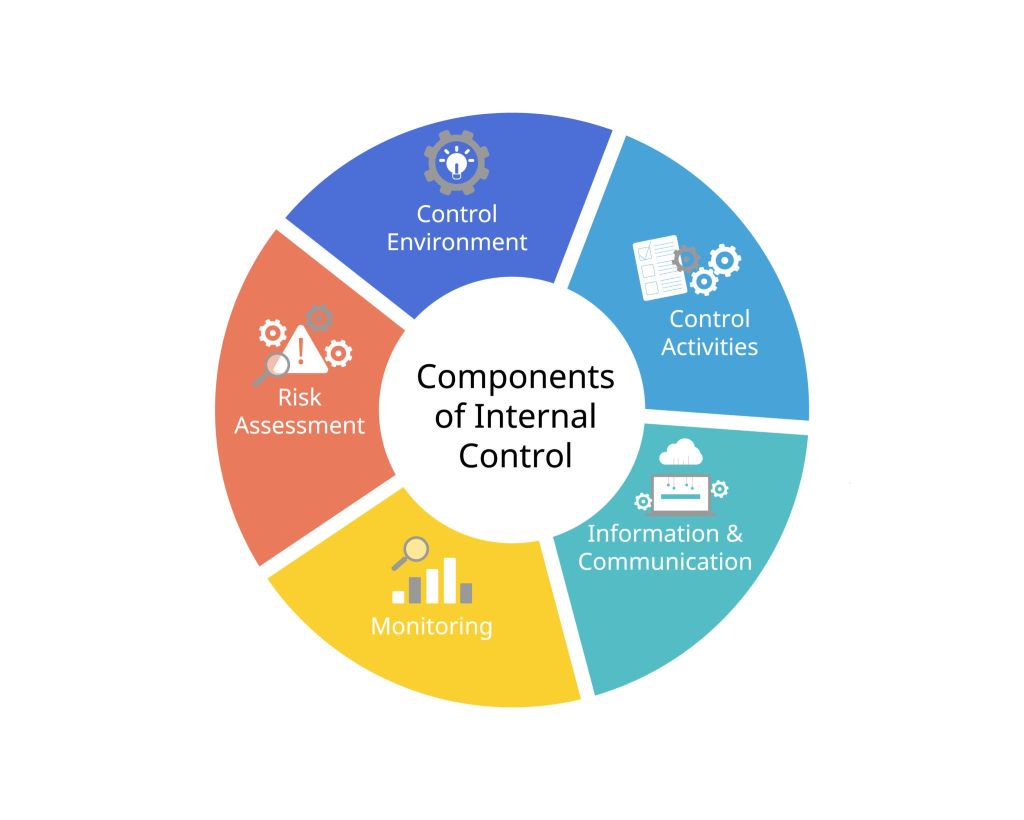
- Control Environment: Sets the organizational tone regarding ethical behavior and the importance of risk management.
- Risk Assessment: The structured process of identifying risks that could disrupt operational performance or financial stability.
- Control Activities: Policies, procedures, and data management plan checklist items established to mitigate operational and compliance risks.
- Information and Communication: Methods used to capture and share critical operational data across business functions.
- Monitoring Activities: Ongoing evaluation systems to ensure effective data controls operate continuously over time.
A critical aspect of modern control architecture includes IT General Controls (ITGCs). ITGCs ensure information security breaches are prevented by safeguarding system confidentiality, integrity, and availability. Enforcing segregation of duties (SoD) across business functions minimizes fraud, errors, and unauthorized access.
Key Takeaway: Strengthen compliance and audit capabilities.
Why Is Risk Management and Internal Control Essential?
Establishing an effective data analytics framework and internal control system provides measurable benefits to modern enterprises:
| Benefit | Description |
| Enhances Reliability | Ensures financial reporting is accurate, consistent, and trusted by stakeholders. |
| Prevents Fraud and Errors | Identifies process anomalies early to avoid costly operational losses. |
| Drives Regulatory Compliance | Prevents severe penalties associated with information security breaches and non-compliance. |
| Boosts Efficiency | Streamlines the end-to-end data processing cycle and eliminates redundant manual workflows. |
| Strengthens Confidence | Demonstrates structural resilience to investors, auditors, and regulatory bodies. |
Data Analytics Framework and Case Studies in Banking and Manufacturing
Deploying effective data analytics allows organizations to move from periodic spot-checks to continuous audit monitoring. For instance, case studies in the banking industry demonstrate how automated monitoring prevents fraud and ensures long-term financial stability. Without proper control mechanisms, companies face key consequences such as severe financial loss, regulatory fines, and lasting reputational damage.
Similarly, leveraging an effective data analytics framework in manufacturing enables real-time oversight of supplier workflows and equipment data. By integrating a structured data management plan checklist into daily operations, enterprises can mitigate risks across business functions before they escalate.
Strengthen Audit and Control Capabilities with Intone EagleEye365®
Advanced analytics is redefining modern auditing by detecting real-time operational risks. Intone’s EagleEye365® platform delivers automated continuous monitoring to secure enterprise systems against emerging compliance and security threats.
Key Platform Features:
- Unified GRC Integration: Consolidates security, risk management, incident response, data visualization, continuous control monitoring, and compliance management into a single platform.
- Seamless Interoperability: Connects effortlessly with over 240 industry-standard data sources and systems.
- Low-Code/No-Code Flexibility: Features drag-and-drop workflow builders and built-in cross-system communication protocols.
- Automated Risk & Incident Response: Delivers continuous microservices auditing with real-time incident resolution.
- Enterprise Security: Uses SSL encryption, AES 256-bit encryption, and advanced firewall architectures to safeguard sensitive data.
FAQ’s
EagleEye365® delivers continuous control monitoring and automated GRC integration.